forklift truck telematics has become a core supporting tool for modern material handling operations to optimize fleet management, reduce unnecessary operating costs and improve overall site safety. For enterprises that are preparing to introduce or upgrade telematics systems for their electric forklift fleets, clarifying core demands before purchasing can avoid mismatched functions, redundant investment and poor post-deployment experience.
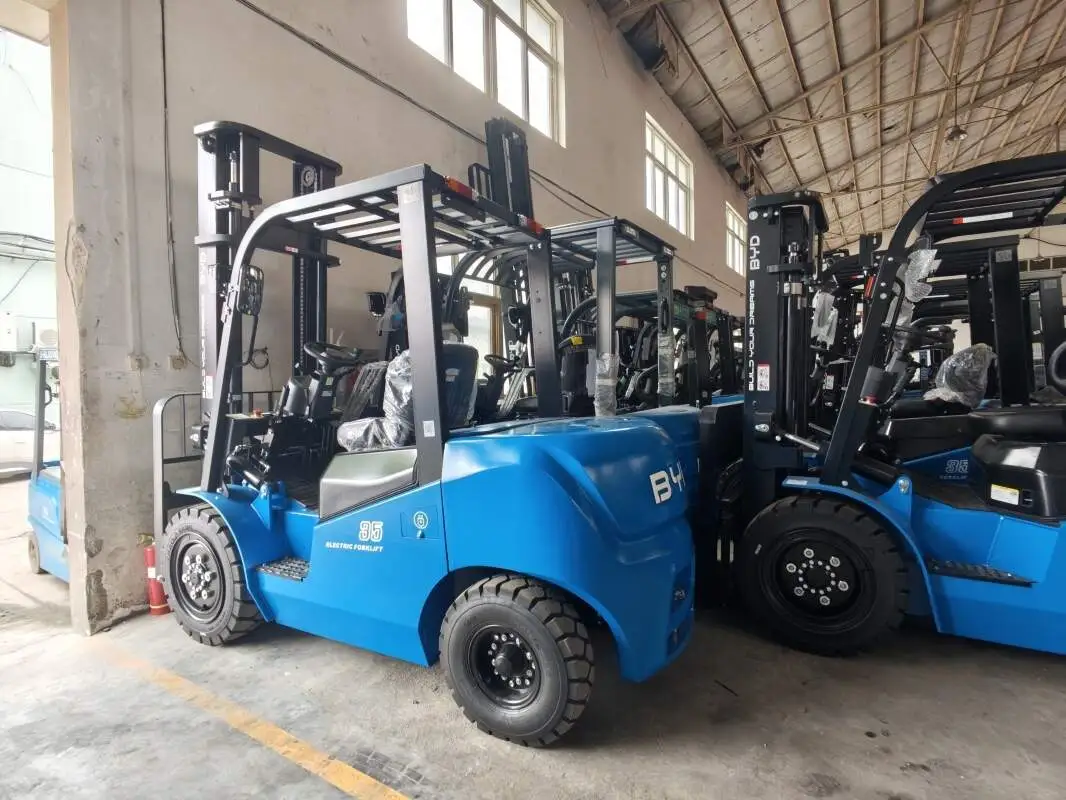
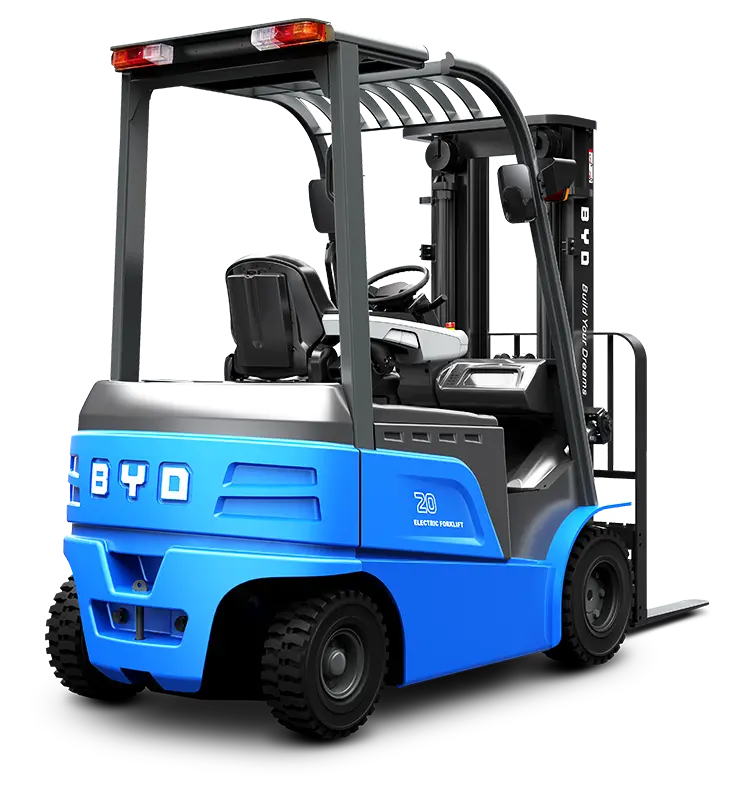
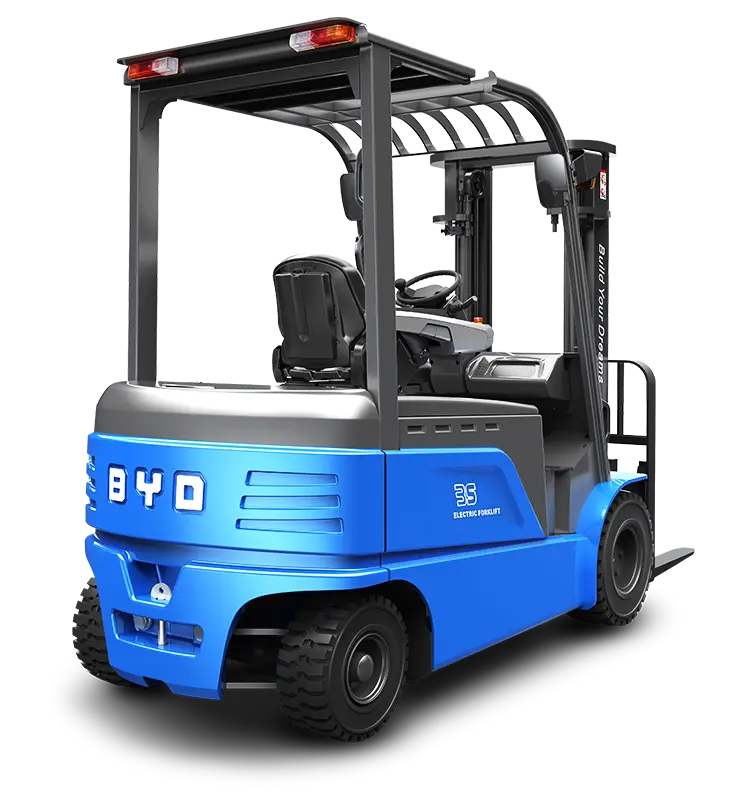
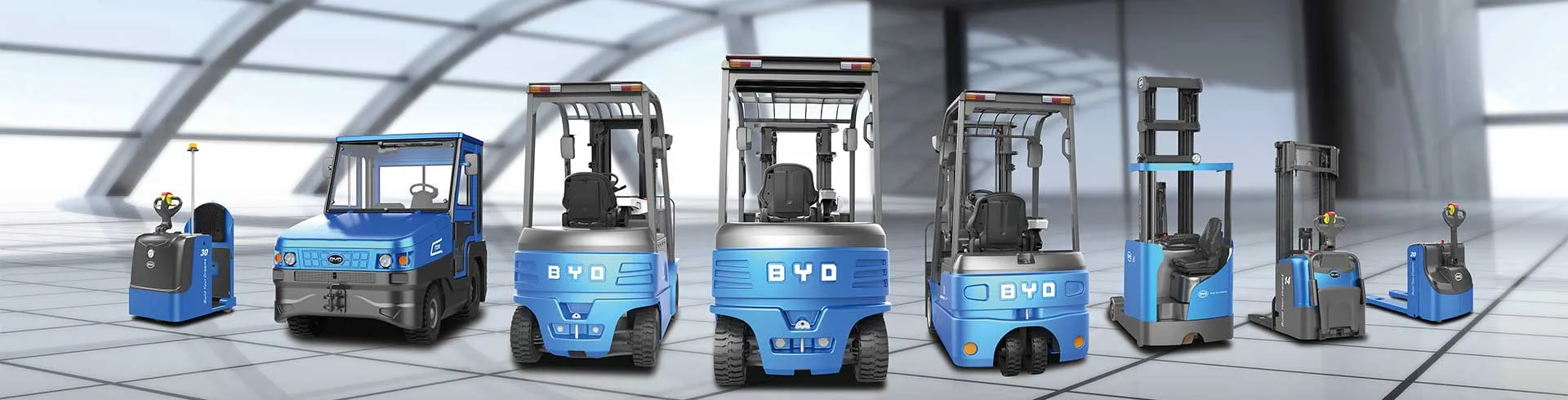
First, you shall prioritize the system compatibility with your existing forklift fleets. Different types of electric forklifts have different data interfaces for power monitoring, operating status feedback and fault warning, so the selected telematics solution shall support stable data interaction with your equipment to collect accurate real-time information. As Jianshu New Energy, we specialize in BYD electric forklifts, and can provide targeted telematics matching suggestions for relevant equipment fleets to ensure smooth connection and stable data transmission.
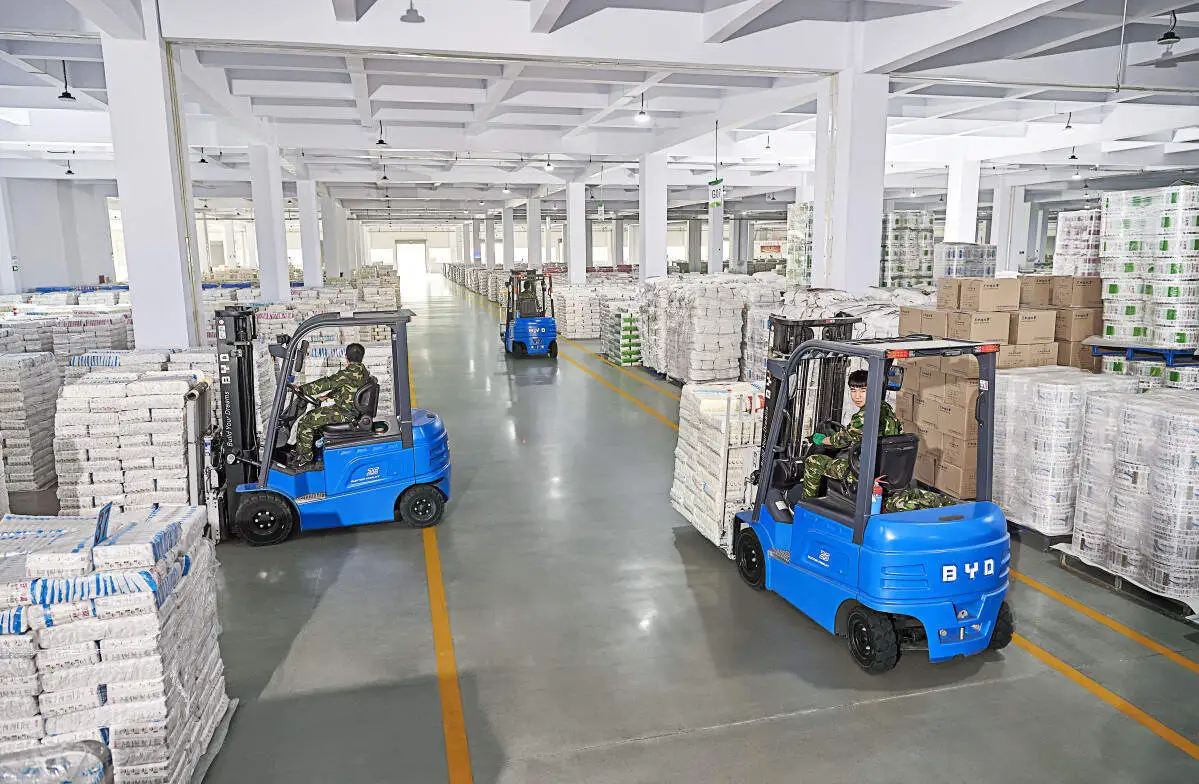
Second, sort out your core functional demands based on actual operation scenarios. Common practical functions of forklift truck telematics include real-time vehicle position tracking, operating time statistics, energy consumption monitoring, unauthorized operation warning, overspeed reminder and regular maintenance scheduling. For small and medium-sized warehousing scenarios, you do not need to purchase overly complex customized functions that do not match your daily operation, which will cause extra unnecessary cost. For large logistics distribution bases that have hundreds of operating vehicles, you can appropriately select the modules for multi-dimensional data report generation and cross-region scheduling coordination.
Third, verify the ease of use of the data management background. A qualified telematics solution shall present clear and intuitive data panels, which do not require managers to master complex professional knowledge to quickly obtain the information they need. The system can also generate regular operation summary reports automatically, reducing the extra manual statistics workload for on-site management teams.
Fourth, confirm the post-sales service and subsequent function upgrade support. The operating environment of forklifts is often complex with frequent vehicle movement, so timely after-sales response for system debugging and fault handling can ensure the telematics system keeps running stably for a long time. Regular function iteration and update according to the new demands of material handling industry can also extend the effective service life of the whole set of telematics solution.
After comparing the above dimensions, you can select the forklift truck telematics solution that best fits your own operation status, to realize orderly and efficient management of the whole electric forklift fleet, and create stable practical value for your daily material handling work.