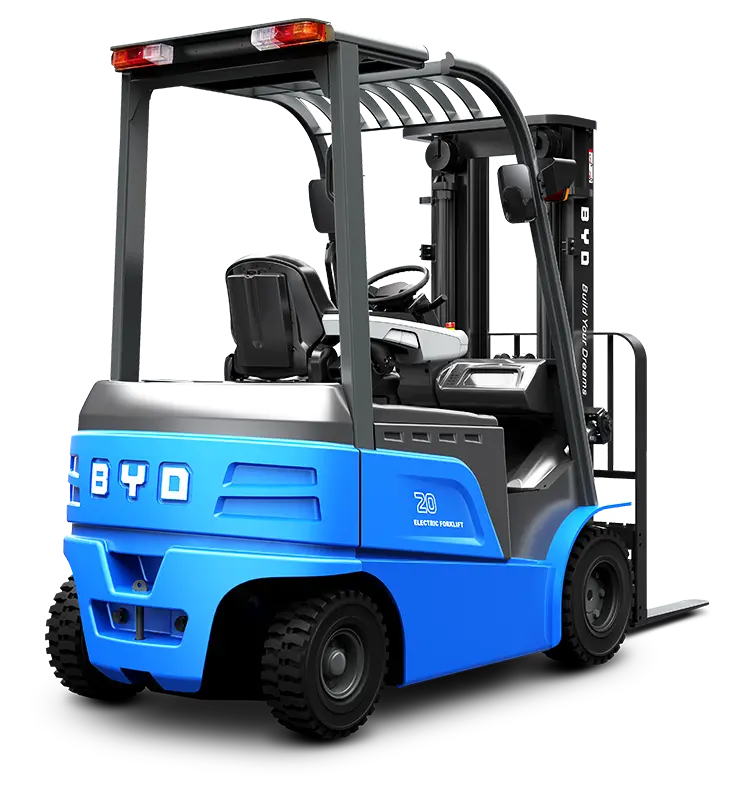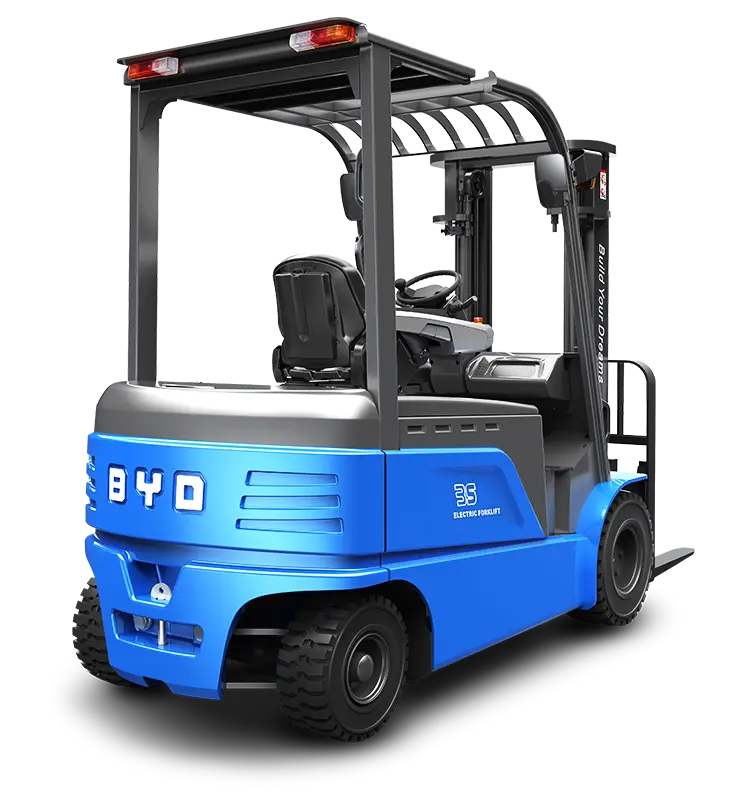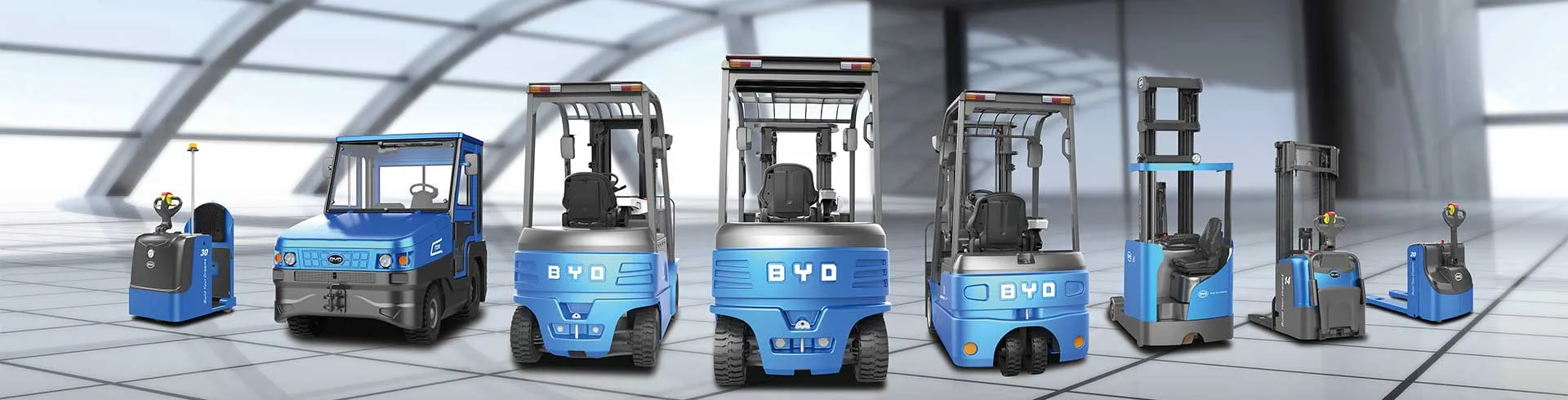
For buyers who are preparing to purchase electric forklifts for warehouse, port or factory material handling scenarios, fully understanding how forklift steering works is a core reference point to select products that match actual operation needs. Different steering structures will directly affect the flexibility, operation difficulty, safety and service life of the forklift in daily use, so it is necessary to sort out the working logic of the whole steering system before making purchase decisions.
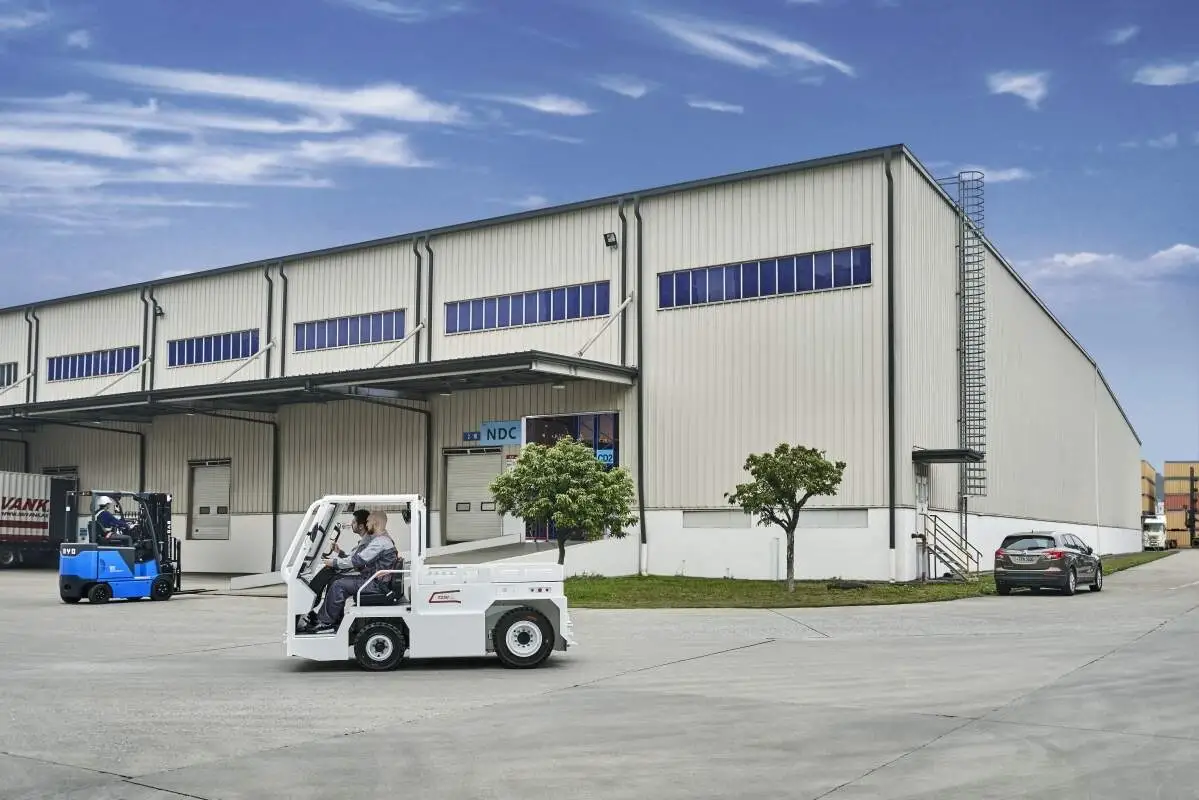
First of all, the basic steering system of a standard electric forklift consists of three core parts, including the steering control part, the power transmission part and the steering execution part. The steering control part refers to the steering wheel and related sensing components installed on the driving console, which can accurately capture the operation action and angle input of the operator in real time. The power transmission part transmits the operation signal to the corresponding power drive component, most new energy electric forklifts adopt full electric power assistance structure at this stage, which can greatly reduce the physical strength consumption of operators after long hours of work. The steering execution part is connected with the steering wheels of the forklift, which can complete the angle adjustment of the walking wheels according to the transmitted signal, and drive the whole vehicle to turn along the preset route.
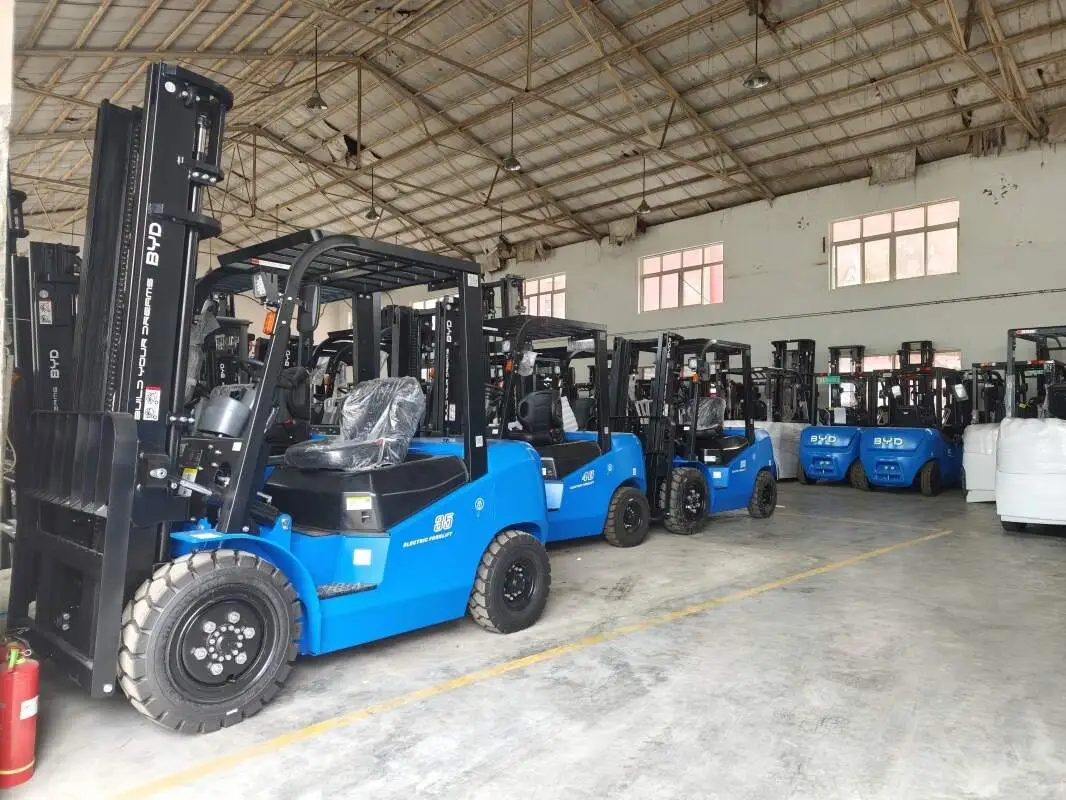
When the operator turns the steering wheel at a constant angle, the sensing component will first identify the rotation direction and rotation angle, and convert the action into an electrical signal and transmit it to the on-board control unit. The control unit will issue corresponding instructions to the steering power component after calculation according to the current vehicle speed, load weight and other parameters, to push the steering wheel to turn to the matching angle. For narrow aisle operation scenarios, the high-sensitivity steering system can realize small-radius steering operation, which greatly improves the space utilization rate of the warehouse, and reduces the collision risk between the vehicle and surrounding goods or shelves during operation.
When choosing a suitable electric forklift, buyers can match the steering performance parameters according to their actual usage scenarios. For scenarios that require frequent steering in narrow spaces, it is recommended to select electric forklifts with sensitive response and small minimum turning radius. For scenarios with long-term continuous operation, the electric power assisted steering structure can effectively reduce the work fatigue of drivers. Jian Shu New Energy, as a professional supplier specializing in BYD electric forklifts, can provide users with full range of steering system related parameter consultation and supporting after-sales service, to help each user select the material handling equipment that best matches their actual production needs.