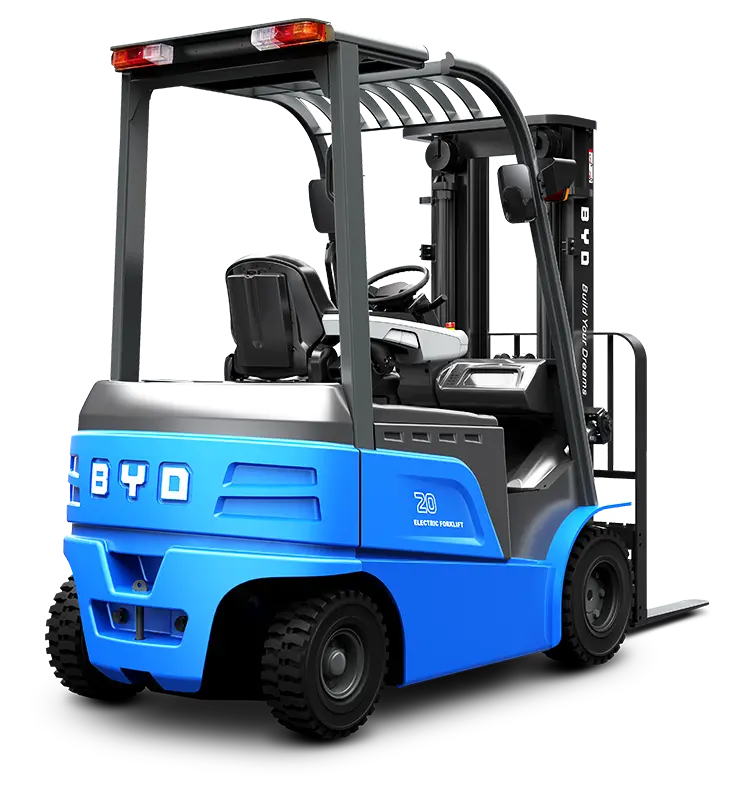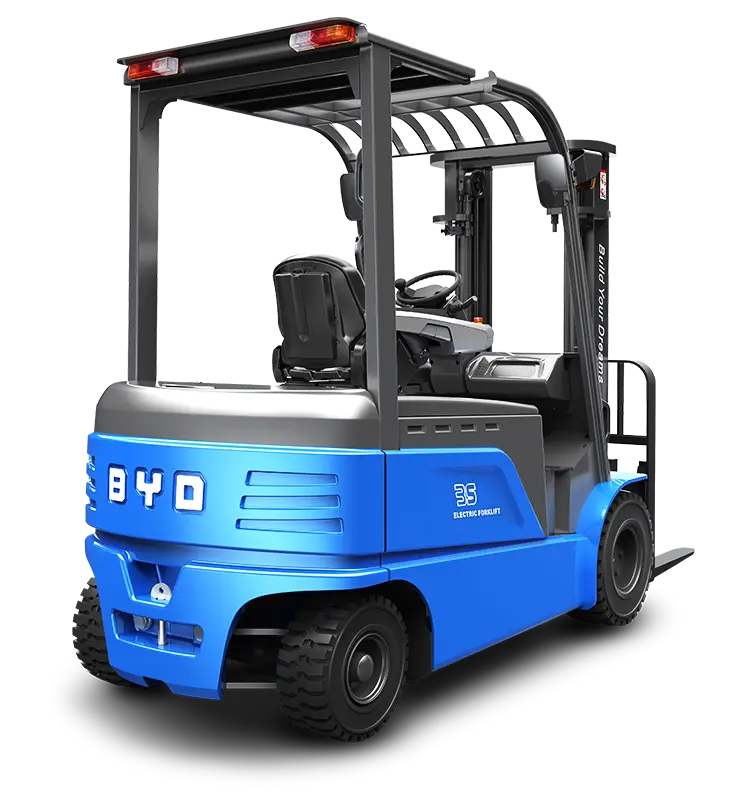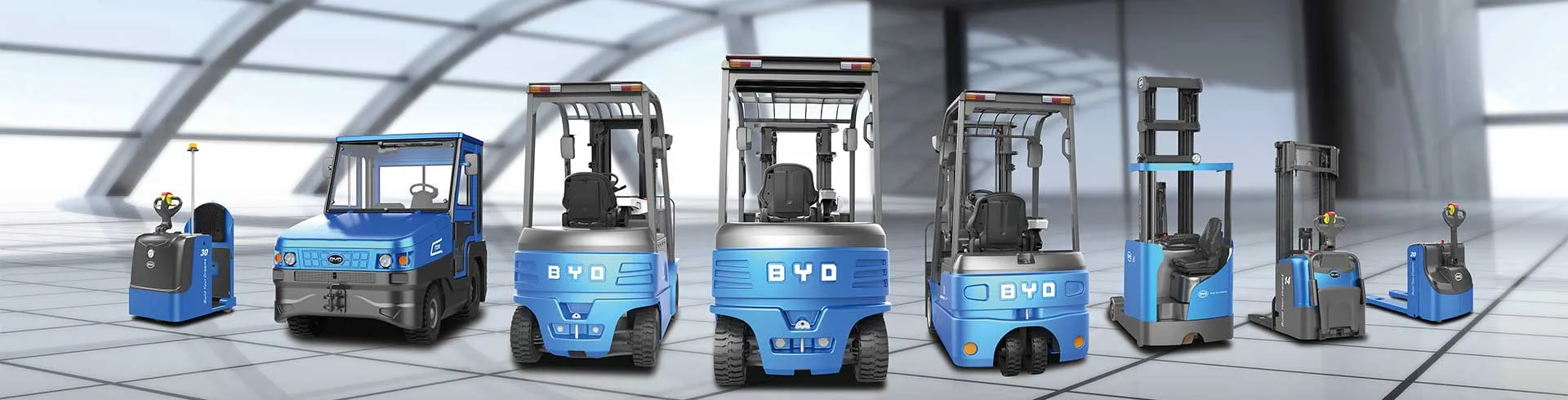
When you are looking for suitable material handling equipment for narrow aisle stacking and short-distance cargo transfer in your warehouse, a skivers forklift is often one of the most practical options to match your daily operation demands. Many new purchasers may feel confused when facing multiple different specification products on the market, and a systematic reference for selection can help you avoid unnecessary mismatching problems.
The first key point for skivers forklift selection is to confirm the core working parameters according to your actual operation needs. You need to calculate the maximum weight of the regular cargo you need to handle, as well as the maximum stacking height of the shelves in the working area. It is recommended to reserve 10% to 15% performance redundancy when choosing the rated load and maximum lifting height, which can effectively reduce the wear and loss of the equipment during long-term high-frequency use.
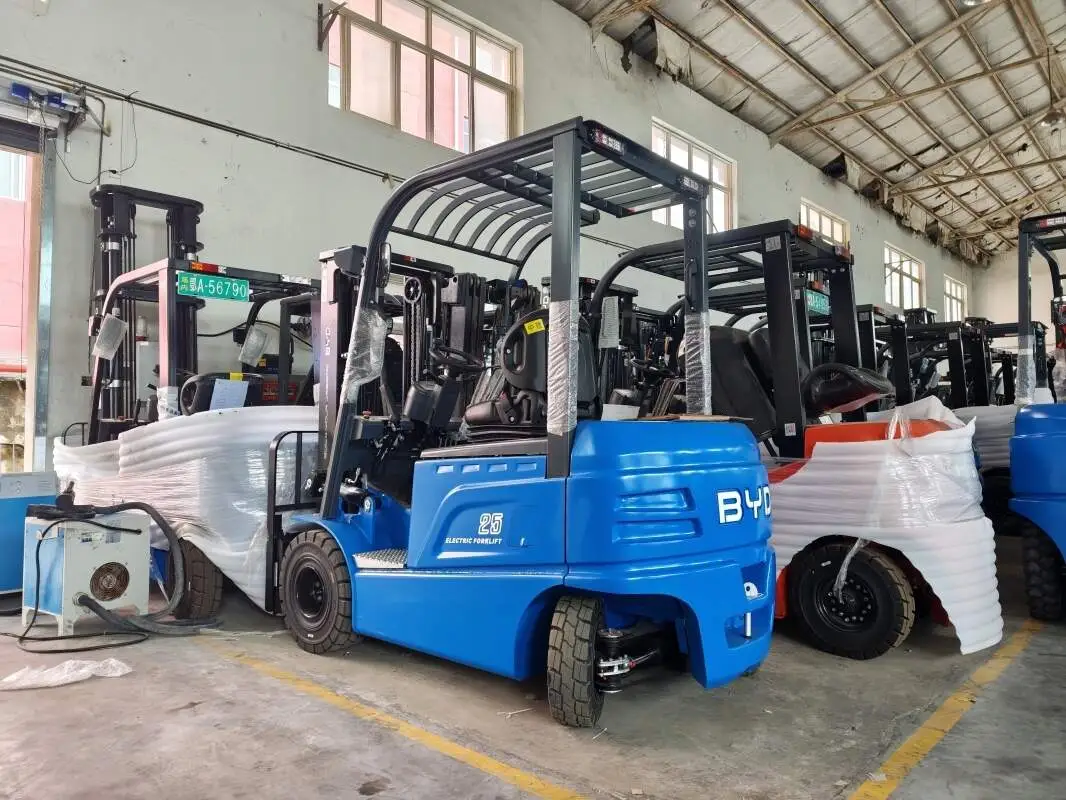
The second core consideration is the scene adaptability of the equipment. If your main working area is a closed indoor warehouse, the electric-driven skivers forklift is a more appropriate choice, as it produces no exhaust emission and low working noise, which will not cause adverse impact on the indoor working environment. If your operation channel is very narrow, you can give priority to the products with smaller turning radius, which can pass through the narrow space more smoothly and improve the operation efficiency.
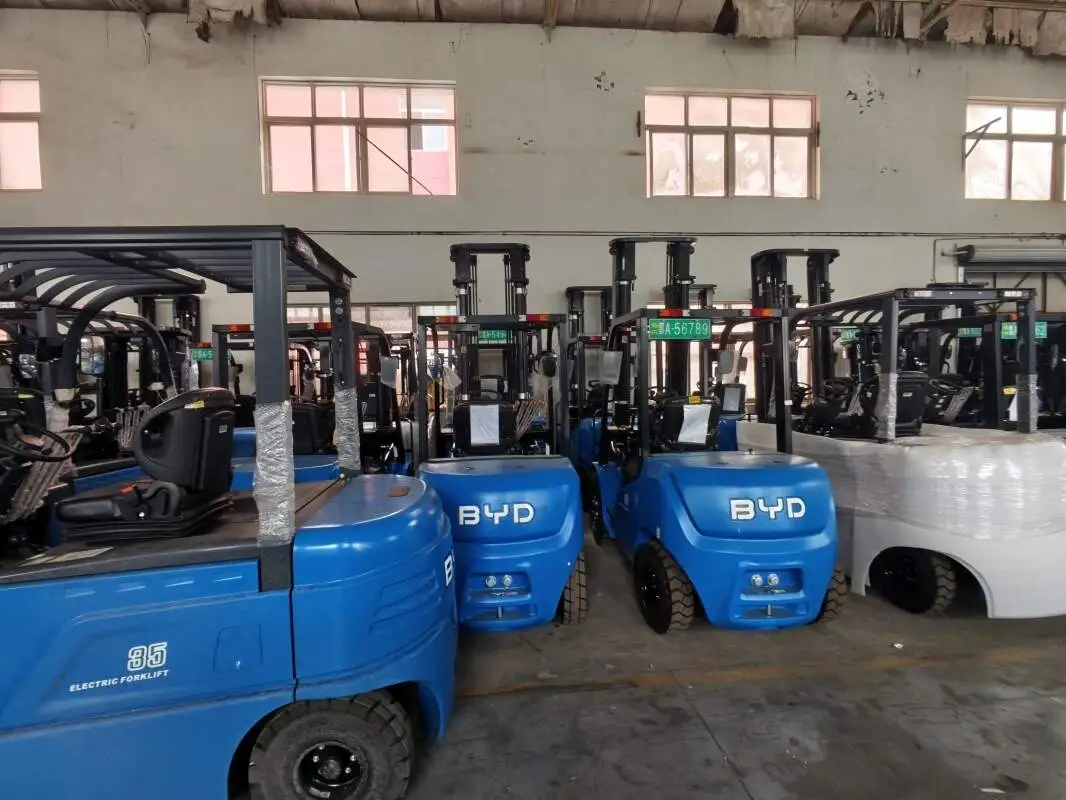
As a professional new energy material handling equipment service provider, we are Jian Shu New Energy, specializing in BYD electric forklifts. All the skivers forklift related models we provide have passed a large number of actual operation tests in different warehousing scenarios, and we can provide targeted selection suggestions according to your actual site conditions, operation intensity and budget range.
When choosing a suitable skivers forklift, you also need to take the after-sales support system of the supplier into full consideration. It is recommended to choose the service provider that can provide nearby operation and maintenance response, which can reduce the idle time of the equipment in case of minor faults, and make sure your daily logistics operation can run smoothly. It is not recommended to judge the product only by the initial purchase cost, you need to combine the full life cycle use cost, operation comfort and safety performance to make the final decision, so as to select the most suitable equipment for your own use scenario.