As low-carbon operation concepts are widely promoted across manufacturing, logistics and warehousing sectors globally, electric forklifts have gradually replaced traditional fuel-powered handling equipment in most application scenarios, bringing lower operation cost, zero exhaust emission and lower running noise for daily material handling work. This buyer guide sorts out the common practical uses of forklifts in different scenarios, to help purchasers make rational decisions that fully match their actual operation demands.
The first common use scenario is closed warehouse internal material handling. For ordinary flat storage warehouses, electric forklifts can complete pallet goods short-distance turnover, goods loading and unloading between different functional areas efficiently. For high-level shelf storage areas, electric forklifts with corresponding lifting height parameters can finish high-position goods access work stably. The zero-emission operation feature of electric forklifts will not produce tail gas pollution, which is very friendly for scenarios storing food, medicine or precision electronic parts, and the low-noise running performance also fits the long-hour operation demand of e-commerce warehousing with no extra noise interference to surrounding staff.
The second common use scenario is manufacturing plant internal material turnover. Electric forklifts can complete raw material supply for production lines, semi-finished product transfer between different workshops, and finished product transportation to the finished product warehouse. The stable and low-vibration running state of electric forklifts can reduce the risk of bump damage to precision workpieces or fragile products during handling. The long continuous working time of mainstream electric forklift products can meet the operation demands of two or three shifts a day, effectively reducing the waiting time caused by frequent energy supplement.
The third common use scenario is short-distance handling in open yards and container operation scenarios. Electric forklifts with corresponding protection level can adapt to normal outdoor operation environments, finish cargo stacking in open yards, and complete loading and unloading work inside standard containers. Compared with traditional internal combustion handling equipment, the daily maintenance cost of electric forklifts is much lower, which helps enterprises control long-term operation expenditure.
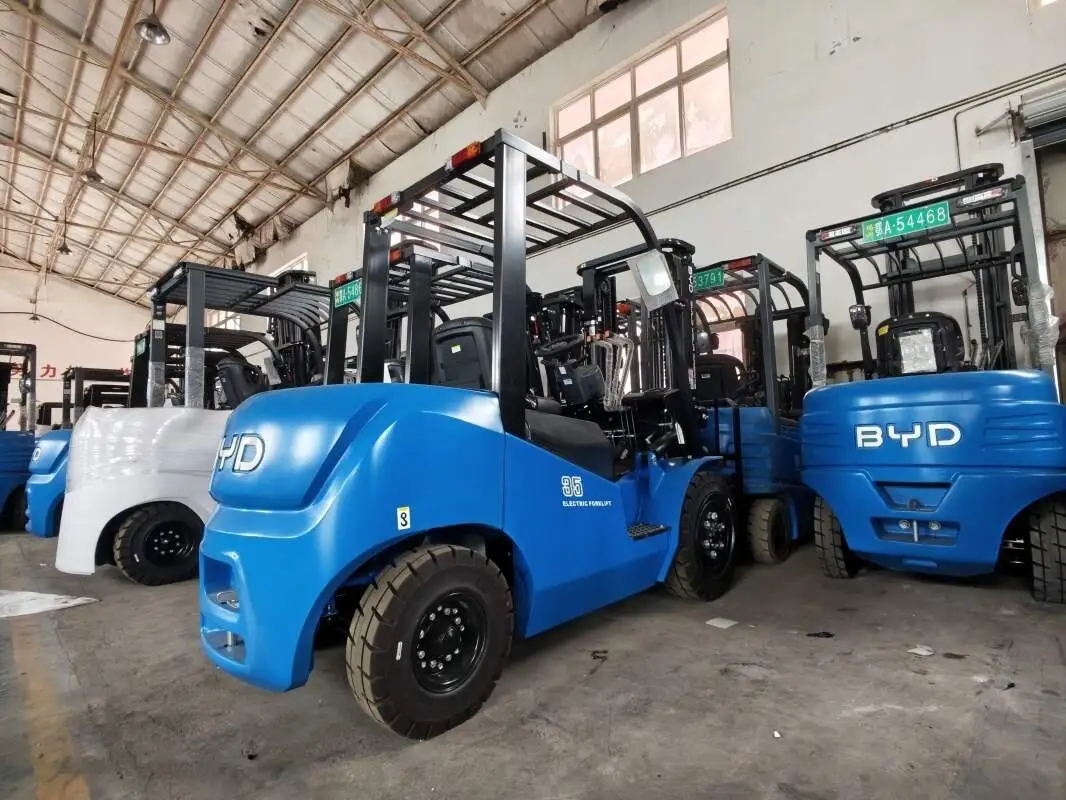
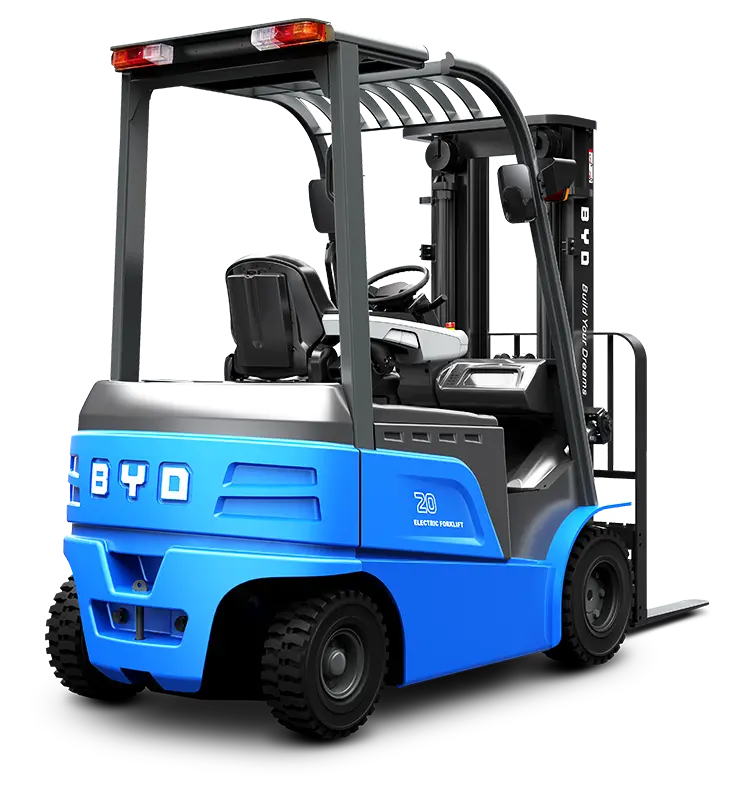
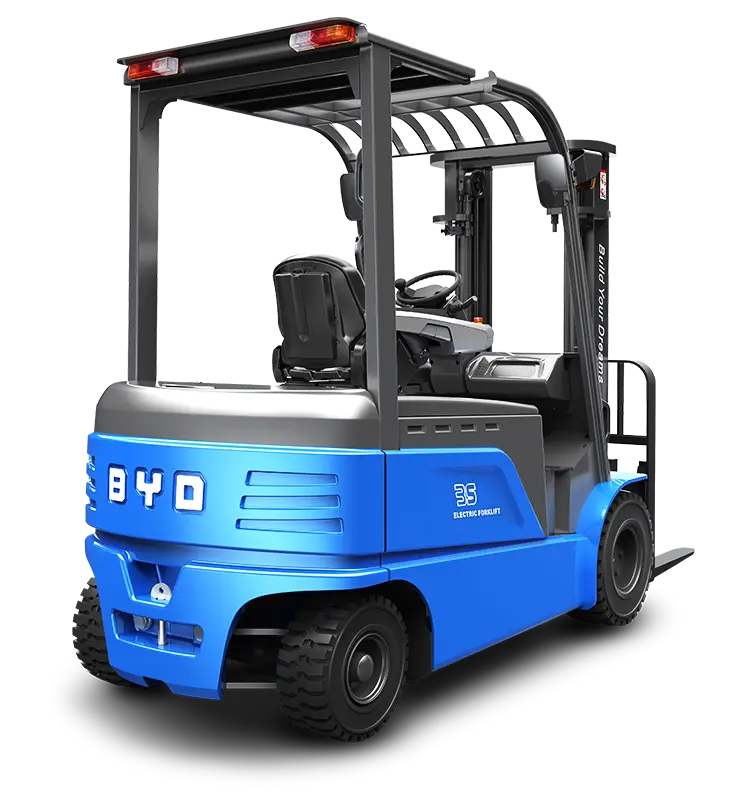
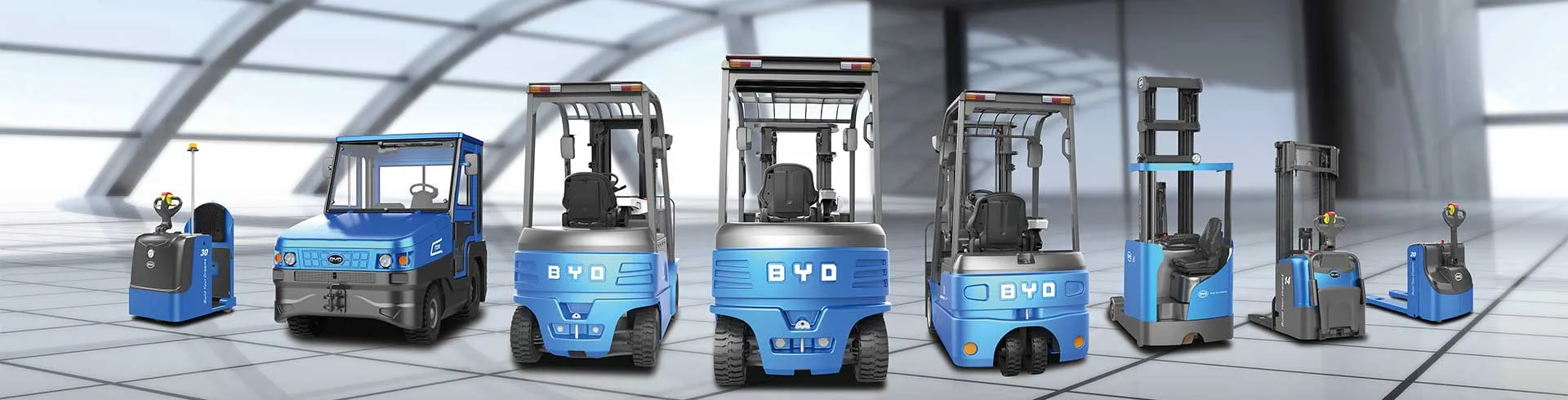
Before making the final purchasing decision, purchasers are suggested to sort out core parameters in advance, including the maximum load weight of daily handling goods, the maximum lifting height required, the average daily operation duration and the width of conventional passing channels. As a professional enterprise focusing on new energy material handling equipment, Jianshu New Energy specializes in supplying BYD electric forklifts, and can provide targeted scenario matching consulting services according to the actual operation situation of different purchasers, to help users choose the most suitable equipment and maximize the use value of the product.