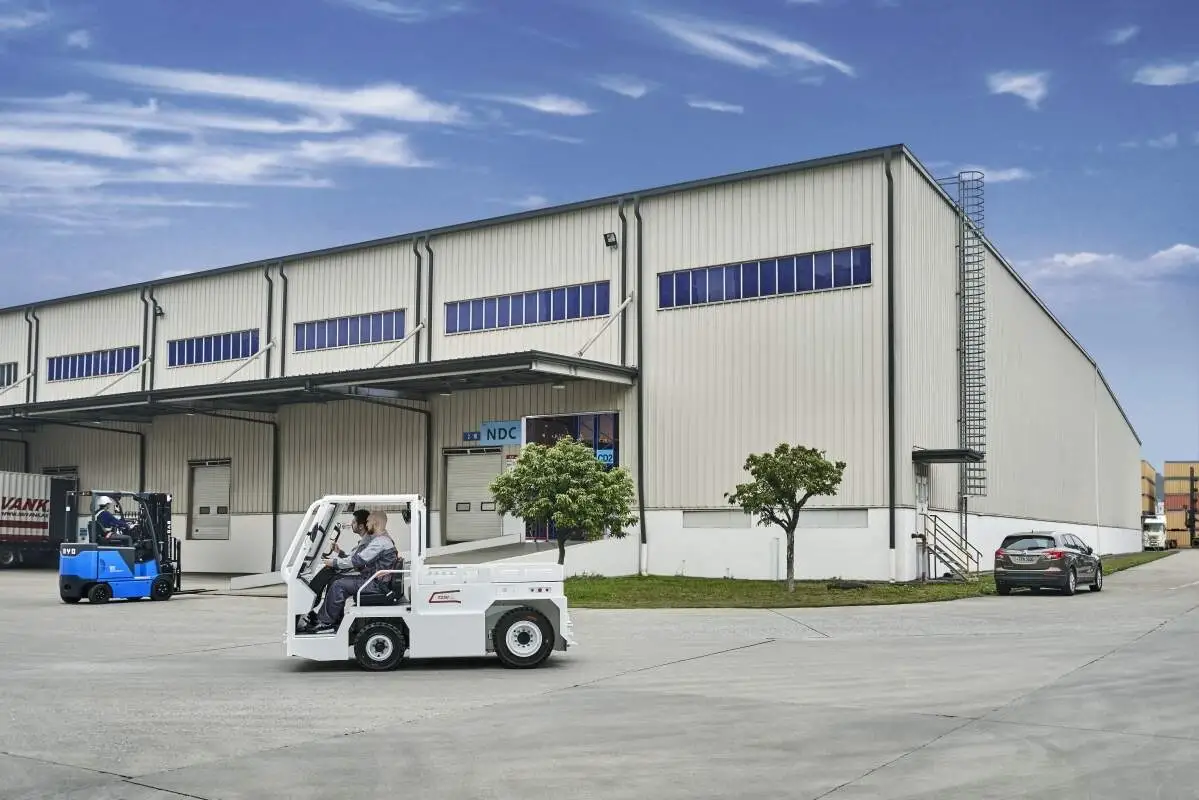
Warehouse and industrial material handling scenarios are typical high-risk areas for workplace safety incidents, and forklift related accidents occupy a considerable proportion of all transport-related injuries in these scenarios. Clarifying the core inducements of these accidents is the first and most critical step for enterprises to build a standardized, reliable working environment that protects all on-site staff.
Unstandardized manual operation is the top cause of most recorded forklift accidents. A large number of on-site incidents happen because operators do not receive complete, systematic pre-job safety training, and violate basic operation rules in daily work. Common improper behaviors include overloading beyond the rated load capacity of the vehicle, speeding in narrow operation channels, failing to honk when turning at blind corners, carrying extra people on the forklift without permission, and distracting by operating mobile devices during driving. These careless behaviors that ignore operation rules are the source of more than 60% of all forklift accident cases.
Lack of complete daily equipment maintenance mechanism is the second major inducement for safety risks. Many enterprises arrange tight operation schedules and ignore regular daily inspection for forklifts. Hidden dangers such as aging brake pads, unresponsive steering system, failed warning lights, and loose circuit components are not detected and repaired in time, which will lead to sudden equipment failure during high-load operation and trigger accidental collisions or rollover risks. Even for electric forklift products, regular inspection of battery status and power system parts is a necessary work link to eliminate hidden safety troubles.
Unreasonable site planning also brings extra hidden safety risks for forklift operation. Many old warehouse areas do not reserve enough width for forklift driving channels, leave a lot of sight blind areas at stacking corners, and fail to set clear diversion marks for pedestrians and vehicles. When on-site staff walk into the forklift operation area by mistake, or scattered goods are left on the channel to cause skidding, collision accidents are very likely to happen without clear warning and guidance.
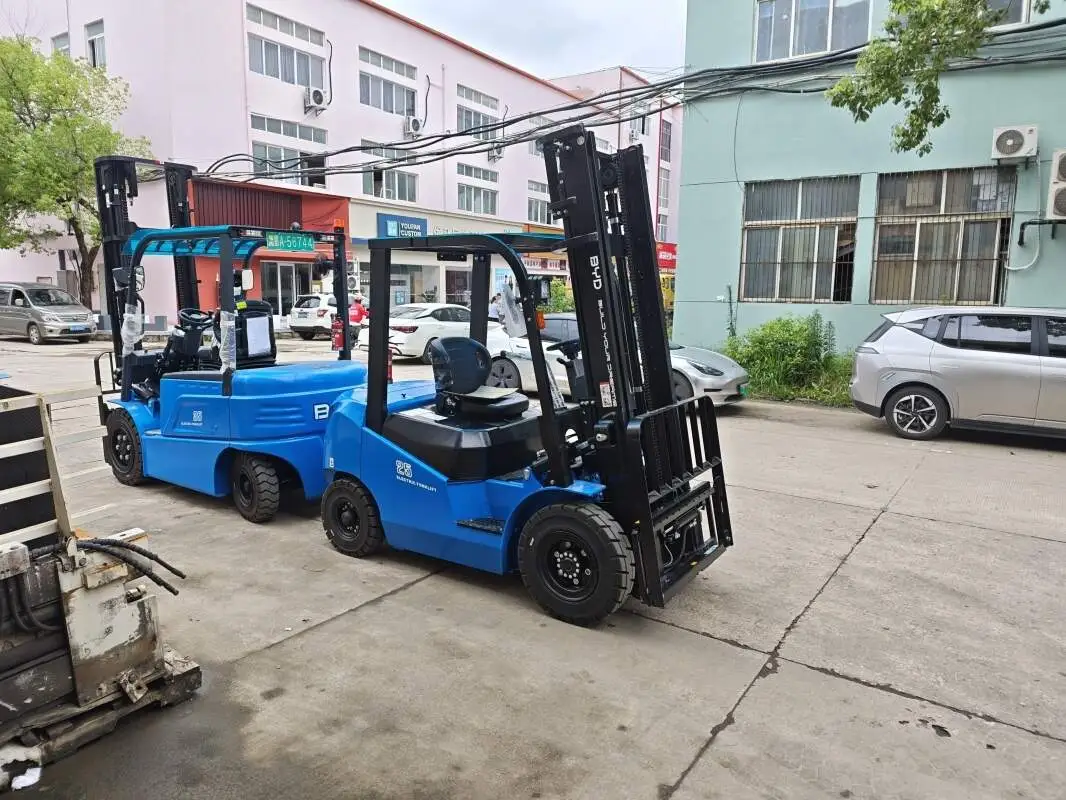
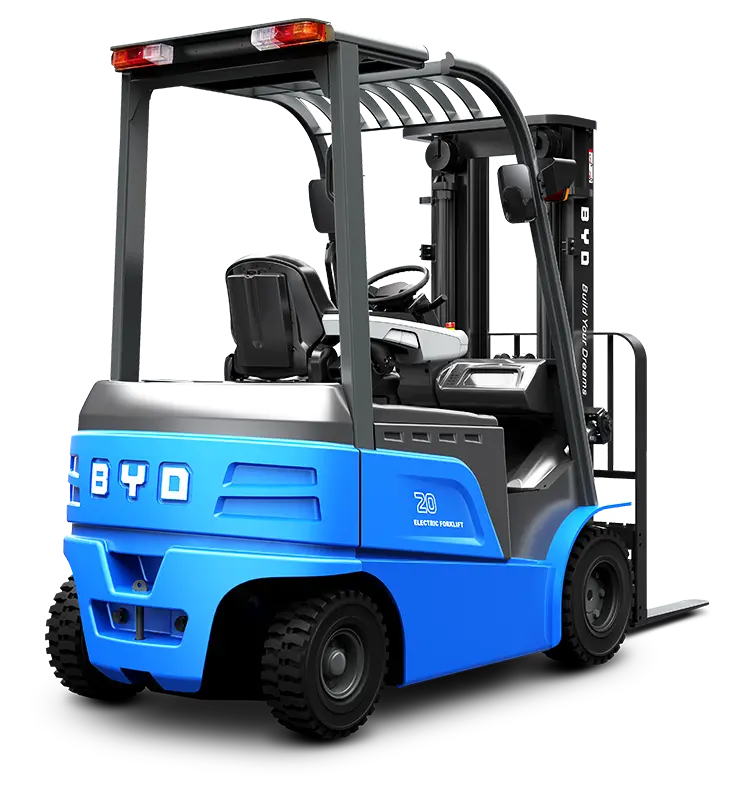
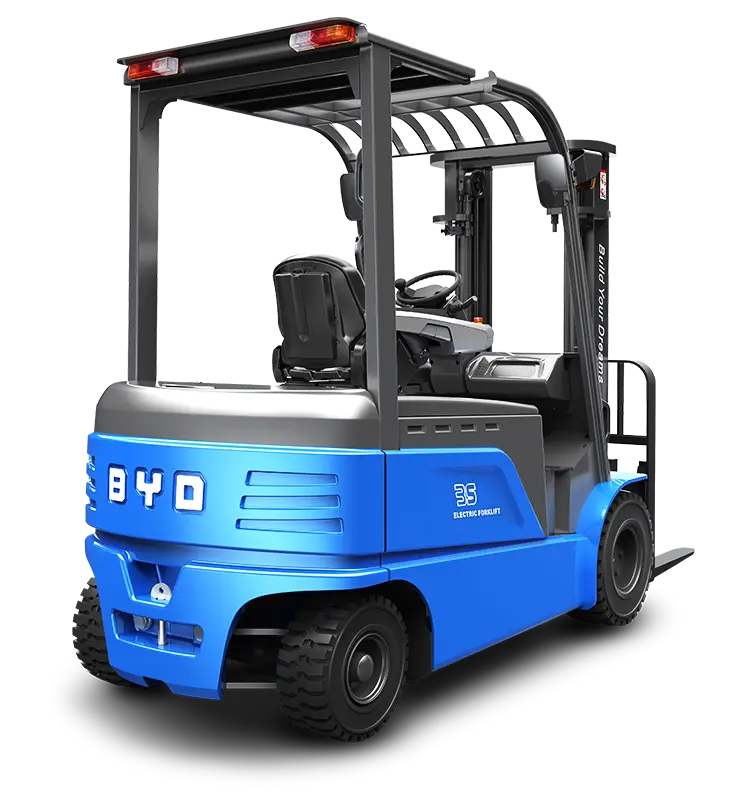
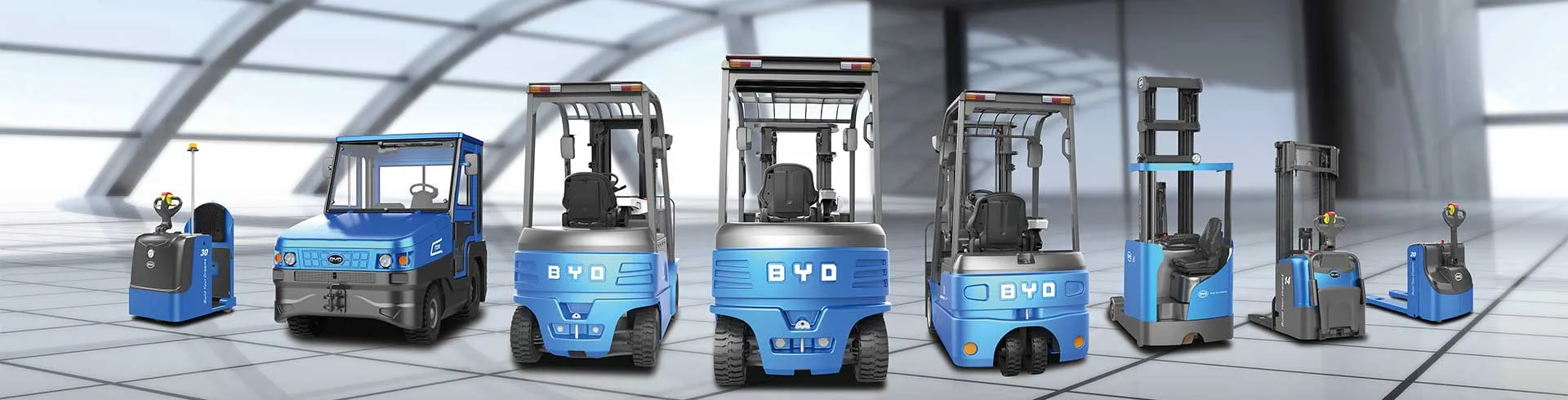
Enterprises can steadily reduce forklift accident risks through multiple targeted optimization measures. First of all, complete full-cycle safety training and regular assessment for all forklift operators to help them form standardized operation habits. Second, strictly implement the pre-shift vehicle inspection system, arrange special personnel to check the key performance of the forklift before each shift of work. Third, adjust the site planning reasonably, set up obvious speed limit signs and safety warning marks at all blind corners and intersections. Choosing qualified, high-quality electric forklift products also provides solid hardware support for workplace safety. As Jian Shu New Energy, we specialize in supplying BYD electric forklifts, and we can provide targeted supporting safety operation guidance for different industry clients. Enterprises can also organize regular hidden danger investigation and emergency response drills, let every on-site staff establish solid safety awareness, so as to build a more secure, efficient and orderly material handling working environment.