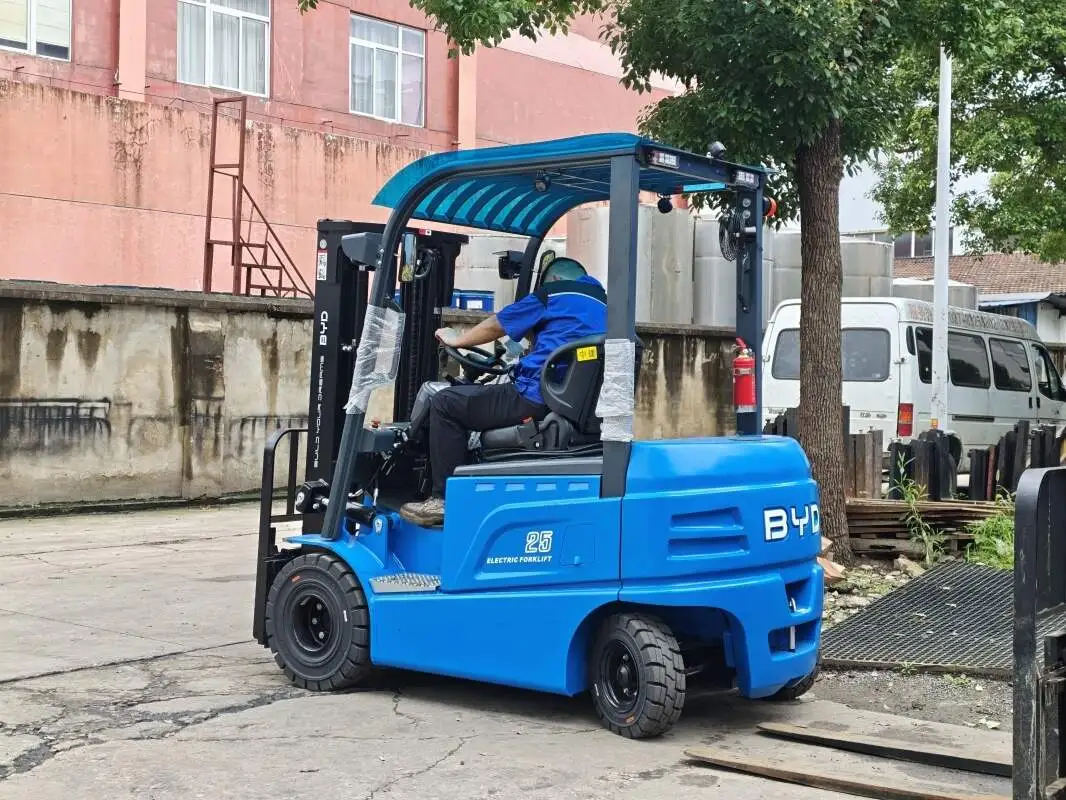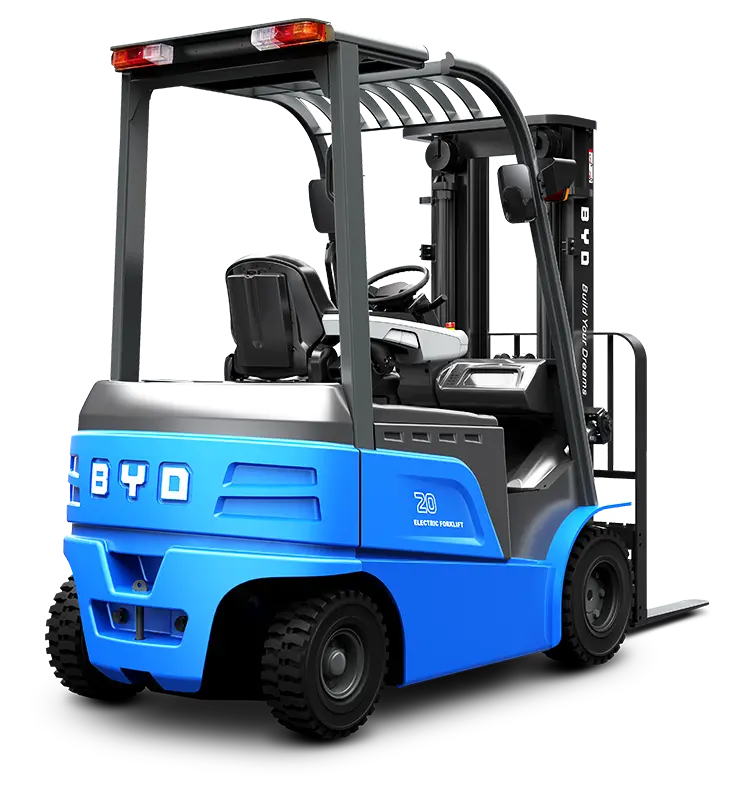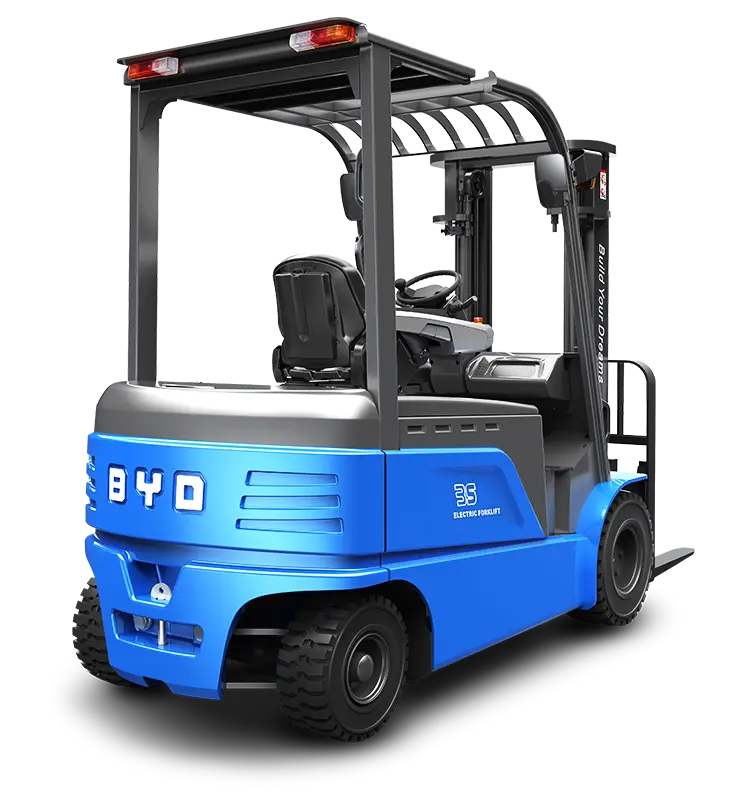
Class 5 forklift refers to the sit-down counterbalanced industrial forklift, which is widely used in outdoor yards, large warehouses, distribution centers and manufacturing production areas for material handling, stacking and cargo loading and unloading. Operating this type of forklift requires operators to hold a valid Class 5 forklift license that meets local occupational safety regulatory requirements, to avoid safety risks and non-compliance penalties.
First, it is necessary to clarify the core requirements for obtaining a Class 5 forklift license. The whole process includes formal theoretical training and practical operation assessment. The theoretical part covers basic equipment structure cognition, load weight and center of gravity calculation, site traffic rule, hidden danger identification and emergency disposal process for unexpected situations. The practical assessment focuses on operators' actual control ability of the forklift, including accurate stacking operation, obstacle avoidance driving, and proper handling of special working conditions.
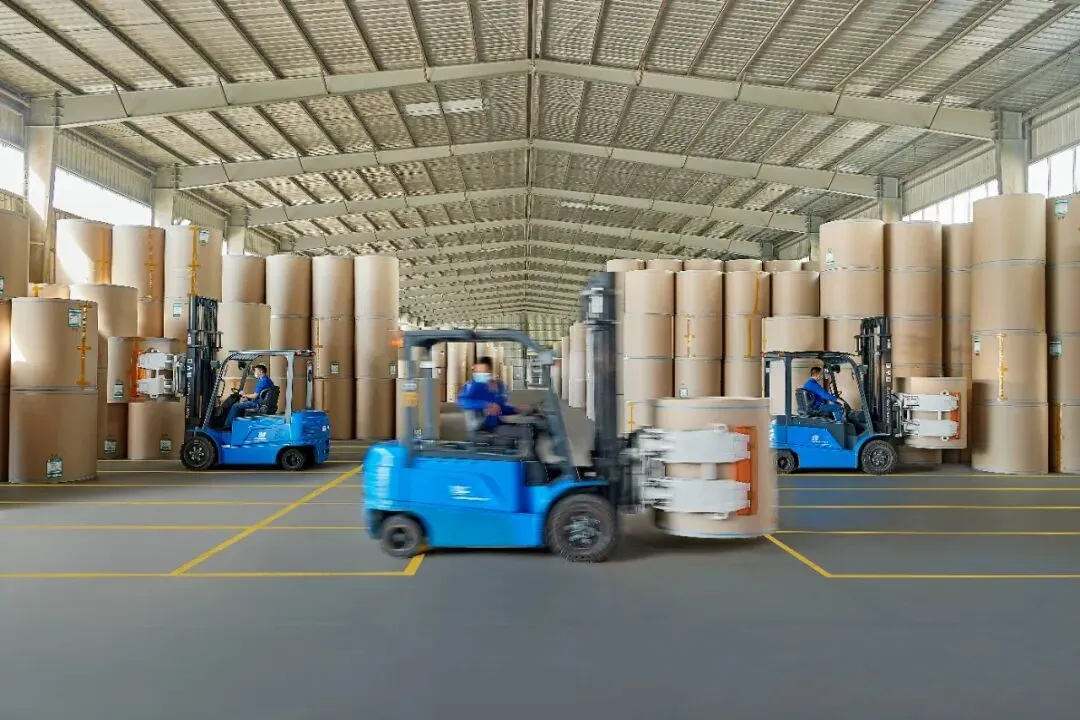
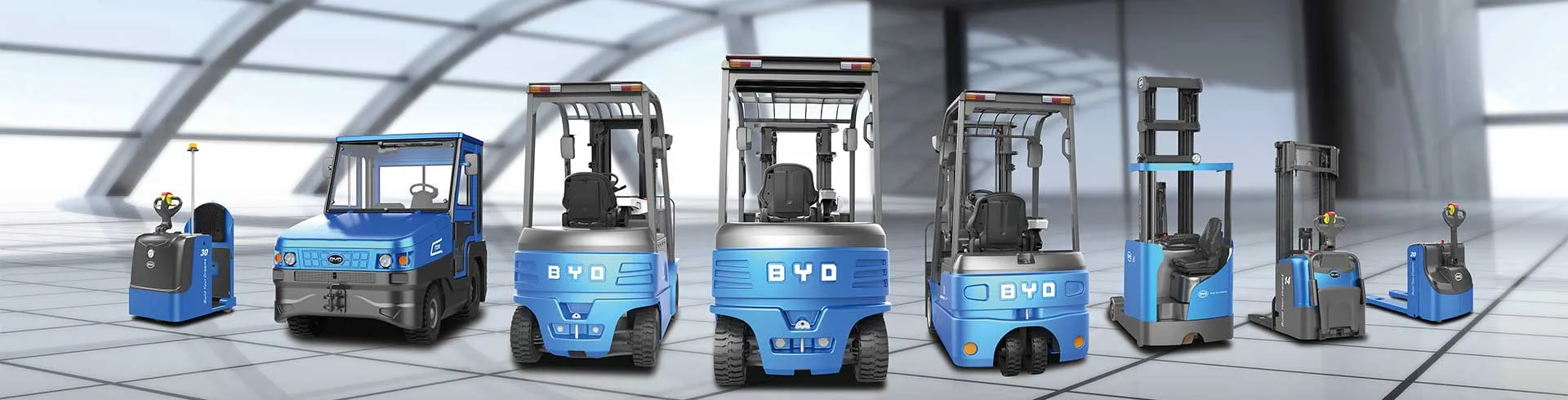
After obtaining the Class 5 forklift license, operators need to complete regular re-examination and skill update training as required by regulatory rules, to keep up with the latest safety operation standards and maintain good operation habits. For enterprises that use a large number of Class 5 forklifts, in addition to arranging all operators to hold valid certificates, they also need to select equipment that meets relevant industry safety specifications. As a professional new energy industrial vehicle service provider, Jian Shu New Energy specializes in BYD electric forklifts, whose full series of products that apply to Class 5 operation scenarios are designed with complete safety protection configurations, stable power output, zero emission performance and low noise operation experience, which can well adapt to various indoor and outdoor working environments of industrial users.
Enterprises can also arrange targeted secondary training for operators combining the actual parameters of the electric forklifts they use, to further improve the matching degree between operation skills and equipment characteristics, reduce the incidence of operation accidents, and ensure that the whole material handling process meets dual requirements of safety and compliance.