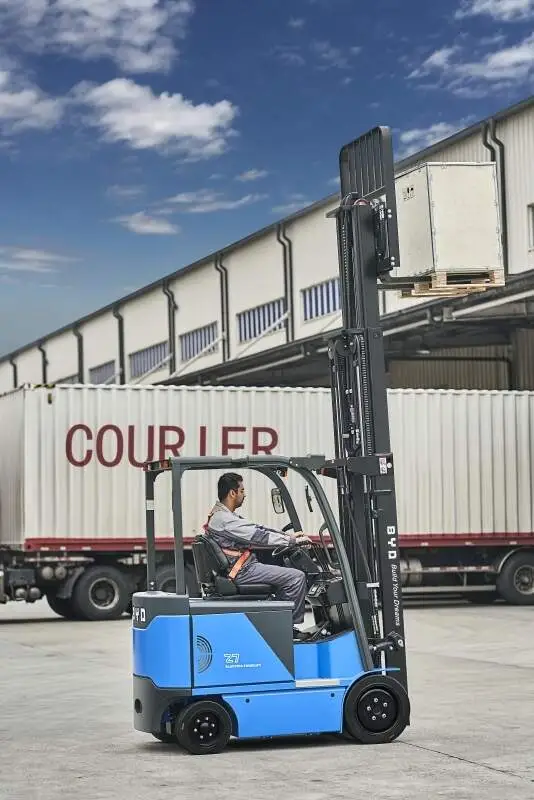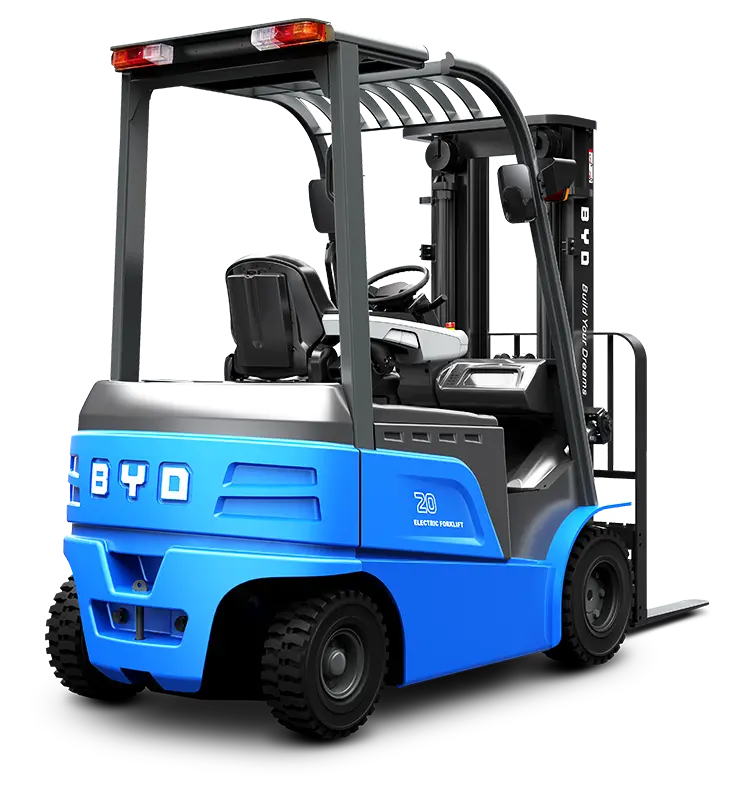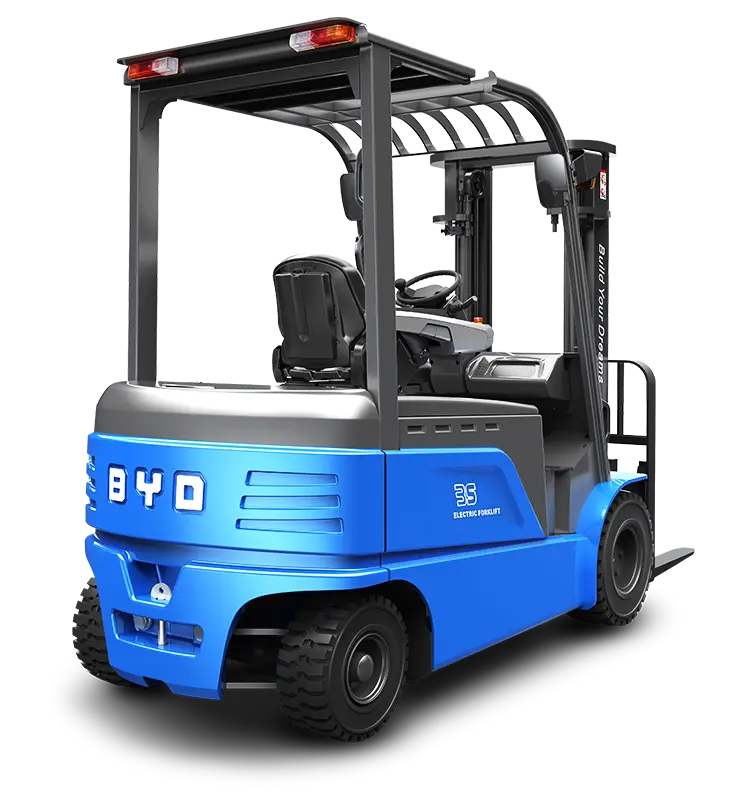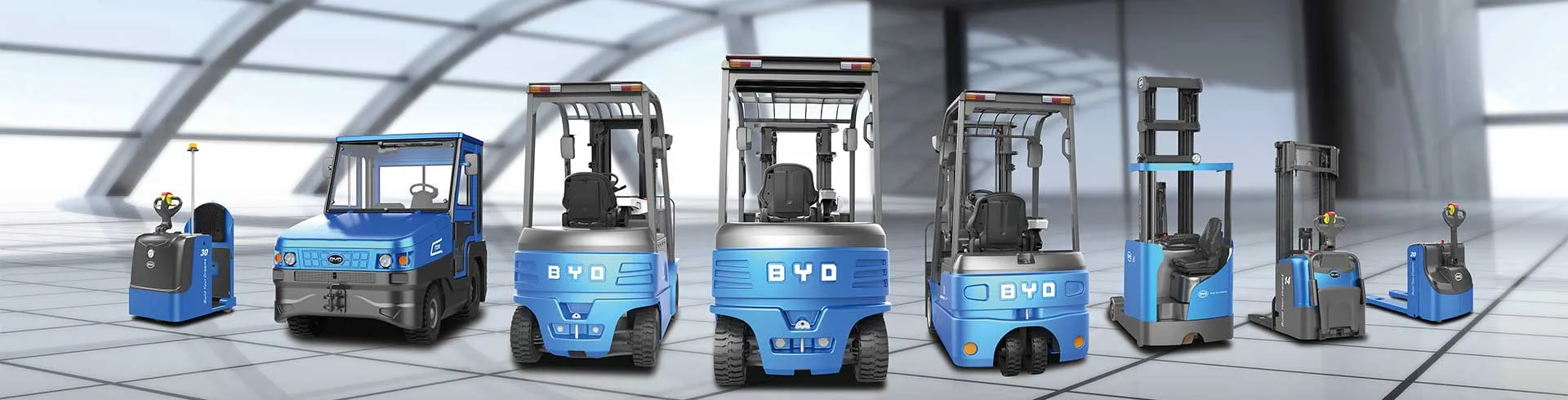
Daily pre-operation inspection is the mandatory first step for all forklift operators, especially for electric forklifts that run for long hours in warehouse, logistics and manufacturing scenarios. As a professional new energy equipment supplier, Jiashu New Energy specializes in BYD electric forklifts, and we summarize standard compliant daily inspection rules for all operators to follow, to avoid safety risks and unexpected downtime.
The core content of standard daily forklift inspection can be divided into three main stages. The first stage is the static check before starting the vehicle. Operators need to check the appearance of the whole vehicle first, confirm no obvious damage to the body, tire wear is within the safe range, and no debris stuck on the wheel hub. Then check the power system, confirm the battery power is sufficient, no electrolyte leakage or loose wiring, and the connection port is free of dust and accumulated moisture. After that, check all control components, test the lifting, tilting, walking control lever to confirm no jamming, the brake and parking brake response is sensitive, and the horn, illuminating lights and safety warning lights all work normally.
The second stage is the no-load test after starting the vehicle. Operators need to run the forklift for 3 to 5 minutes in an open no-obstacle area, repeatedly test the forward and reverse walking functions, the full range of gantry lifting and tilting functions, to confirm there is no abnormal noise, abnormal vibration or abnormal heating of any component. If any minor abnormality is found at this stage, operators can carry out targeted simple adjustment first, and fill in the abnormal content on the daily inspection record sheet.
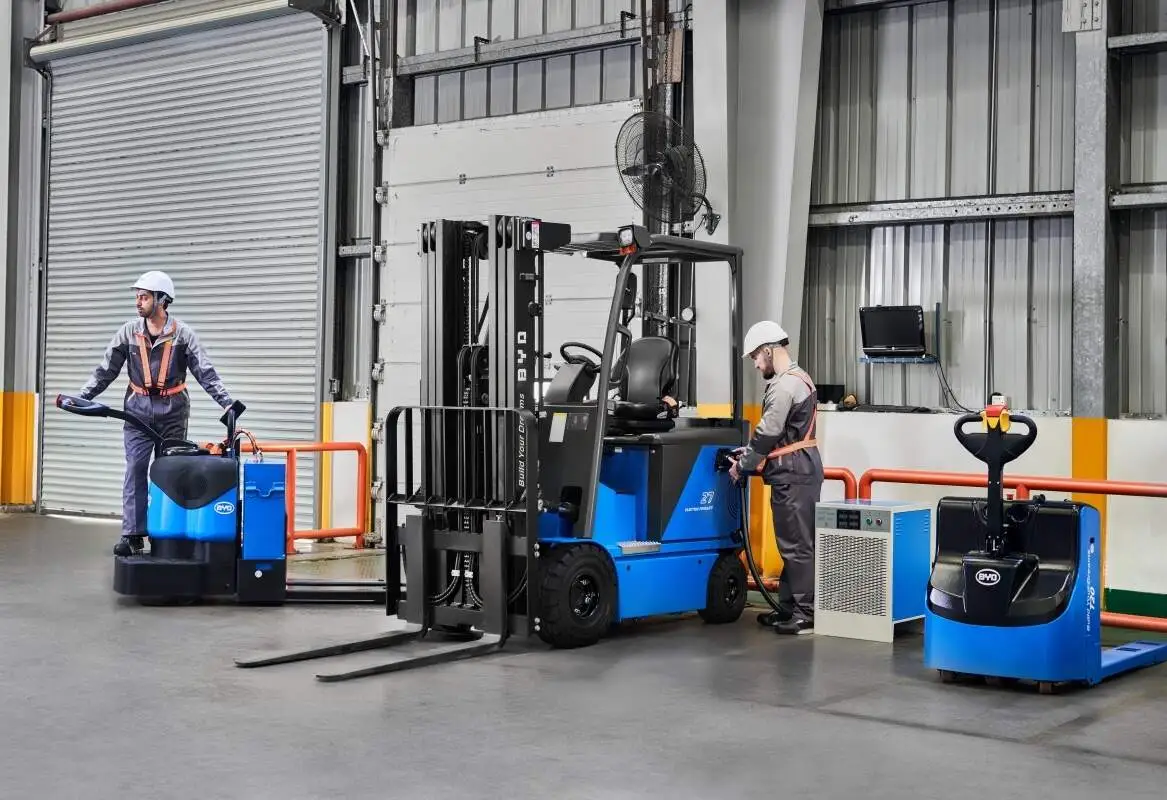
There are several highly common small faults that can be quickly fixed on site after being found in daily inspection. The first common issue is that the forklift cannot start normally. Operators can first check if the battery power is lower than the safe threshold, recharge the battery timely if that is the case, then check if the power connection is loose, re-fix the contact if poor connection is found. The second common issue is that the lifting speed is too slow or the vehicle cannot lift rated heavy loads. First check if the hydraulic oil level is lower than the standard scale, add qualified hydraulic oil to the specified level if it is insufficient, then check if the hydraulic seal has slight leakage, replace the aging sealing ring timely if leakage is found. The third common issue is that the brake response is delayed. First check if the brake pad wear exceeds the safe limit, replace the worn-out brake pad, then check if the brake fluid level does not reach the standard, supplement the qualified brake fluid to the specified position.
All daily inspection records need to be filled in truthfully, any abnormal problem that cannot be solved by simple adjustment should contact professional after-sales personnel for maintenance in time. Do not force the forklift to work with faults, which will effectively extend the service life of the electric forklift, reduce operation risk, and create higher operational value for the enterprise.