Many procurement personnel and site managers often get confused when submitting equipment filing, applying for operation permits or budgeting for heavy equipment renewal, about the core question that whether a forklift counts as heavy equipment.
From the perspective of industry standard classification, most self-powered industrial forklifts with rated load capacity above the specified threshold are classified as medium or light heavy equipment, while the specific division rules may have slight differences in different regional supervision regulations and industry application scenarios. For example, manual hydraulic pallet trucks without self-propelled and power lifting functions are not included in the heavy equipment category, but electric forklifts driven by power systems for cargo stacking and long-distance transfer in work sites will be incorporated into heavy equipment management system in most cases.
Before you make the purchase decision, there are three core questions you need to confirm first to avoid unnecessary subsequent compliance risks and cost waste.
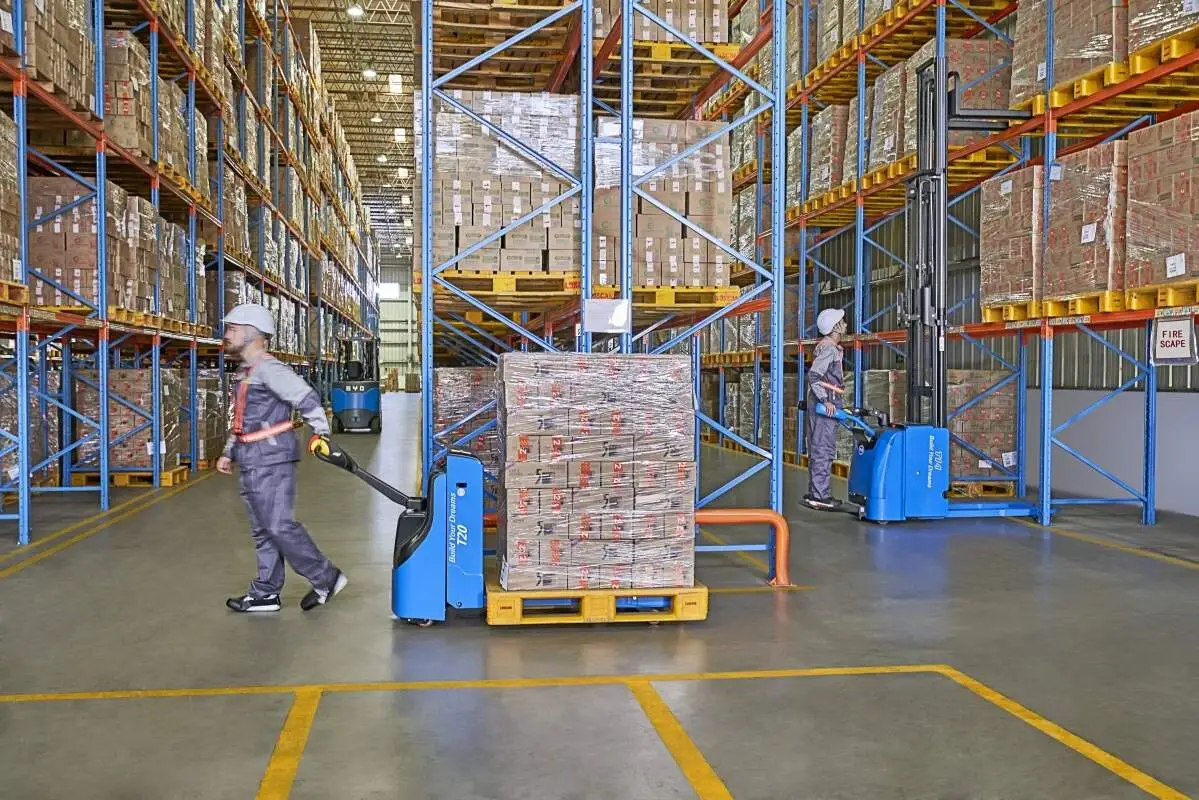
First, you need to clarify the local regulatory requirements for heavy equipment operation in your actual work site. For enclosed standard warehouses, low-load walkie electric forklifts usually do not require additional special heavy equipment operation permits, but for outdoor ports, construction sites and other open operation scenarios, medium and large load electric forklifts need to complete operator safety training, regular equipment safety inspection in accordance with heavy equipment management rules.
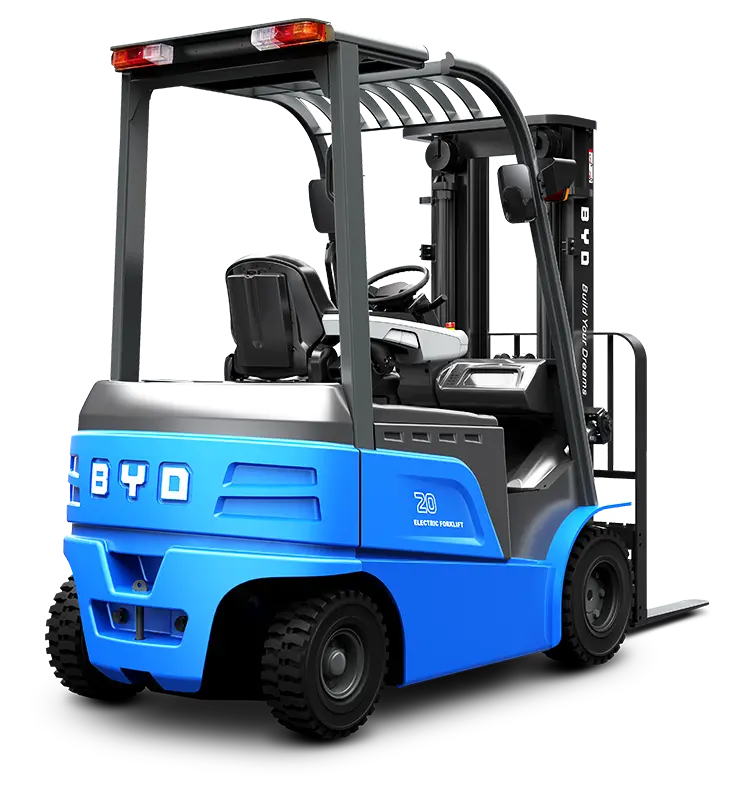
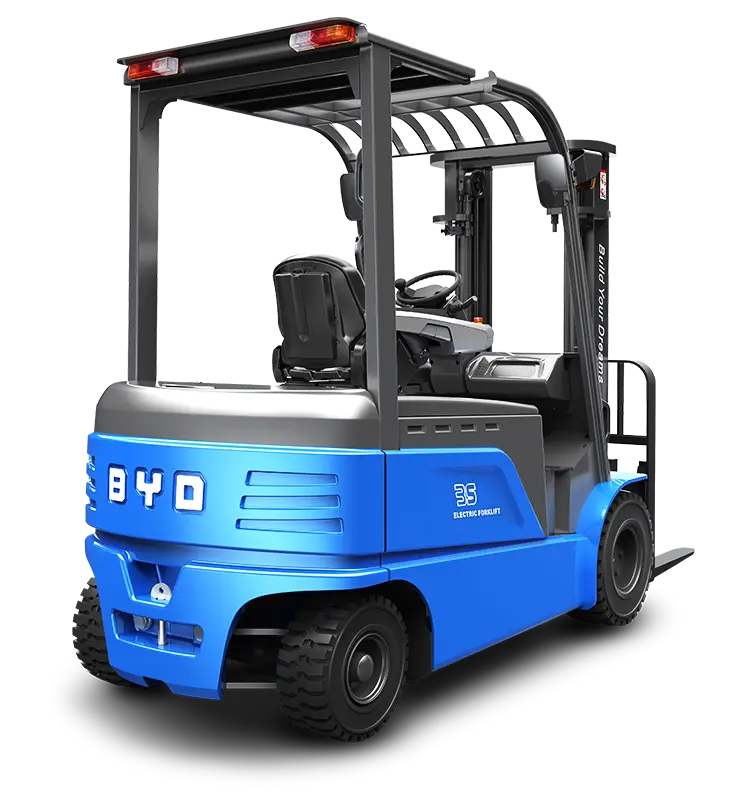
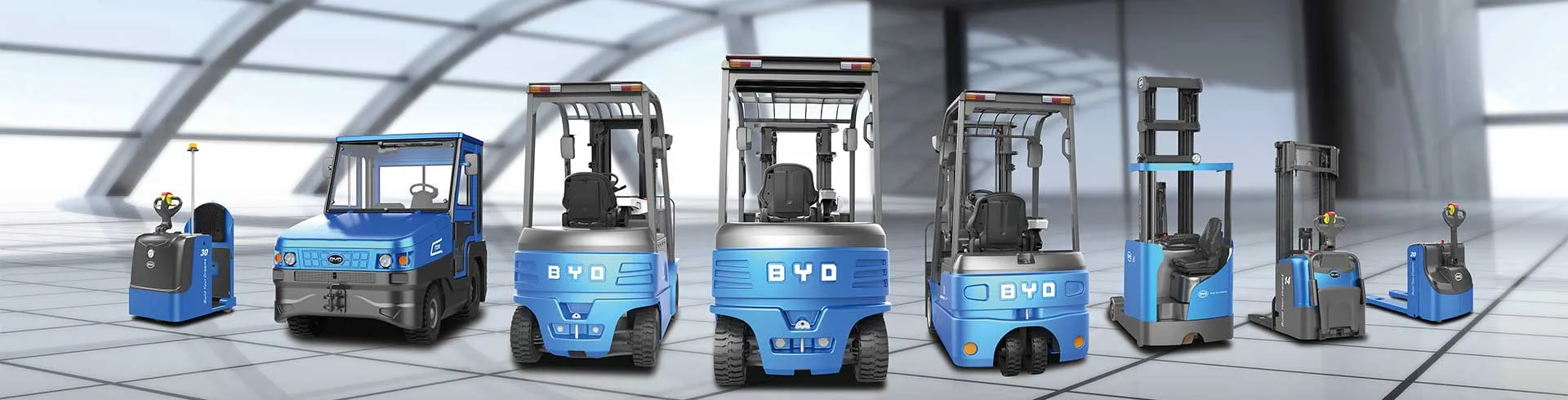
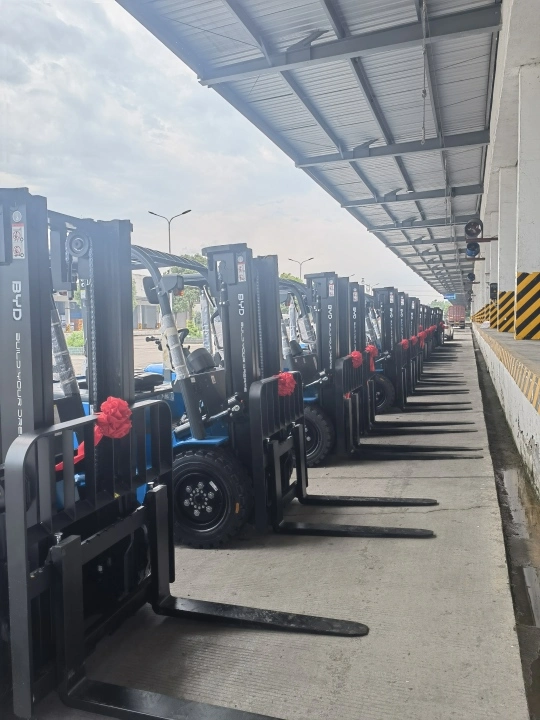
Second, you need to check whether the selected equipment parameters match the actual operation demand. Different operation scenarios have clear requirements on the load capacity, lifting height, continuous working time and body turning radius of material handling equipment. As a professional new energy electric forklift supplier, Jian Shu New Energy specializes in supplying high-quality BYD electric forklifts, which can cover the application demands of light load, medium load and heavy load scenarios.
Third, you need to include the full life cycle operation cost of the equipment into your procurement budget. As one type of heavy equipment, electric forklifts need regular maintenance, safety performance testing and wearing parts replacement in long-term use. New energy electric forklifts have lower daily operating cost and zero exhaust emission compared with traditional internal combustion forklifts, which can better meet the environmental protection management requirements of modern industrial parks.
After confirming all the above questions, you can select the most suitable electric forklift product that meets both regulatory compliance requirements and actual operation needs, and obtain stable use effect in long-term material handling work.