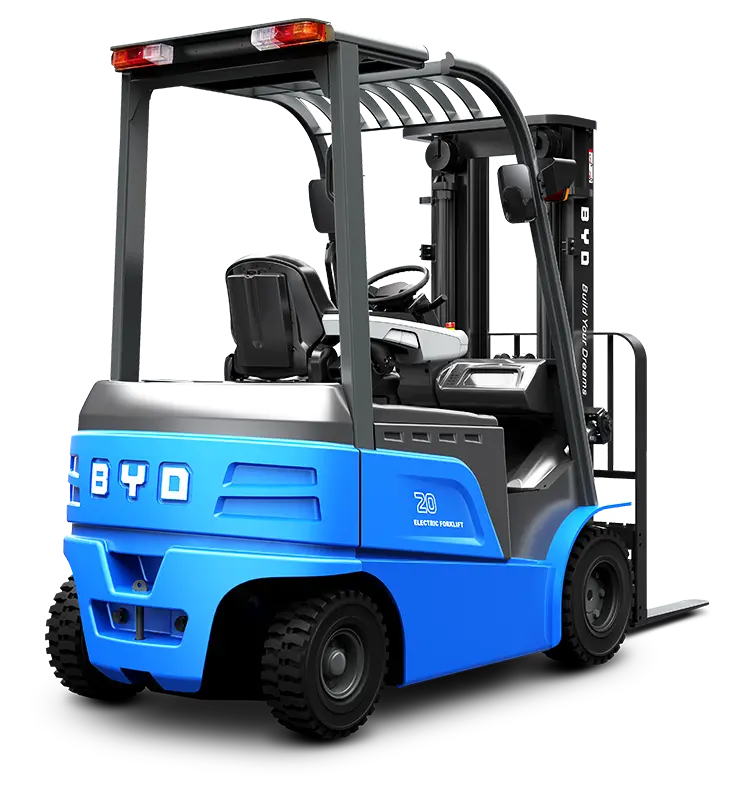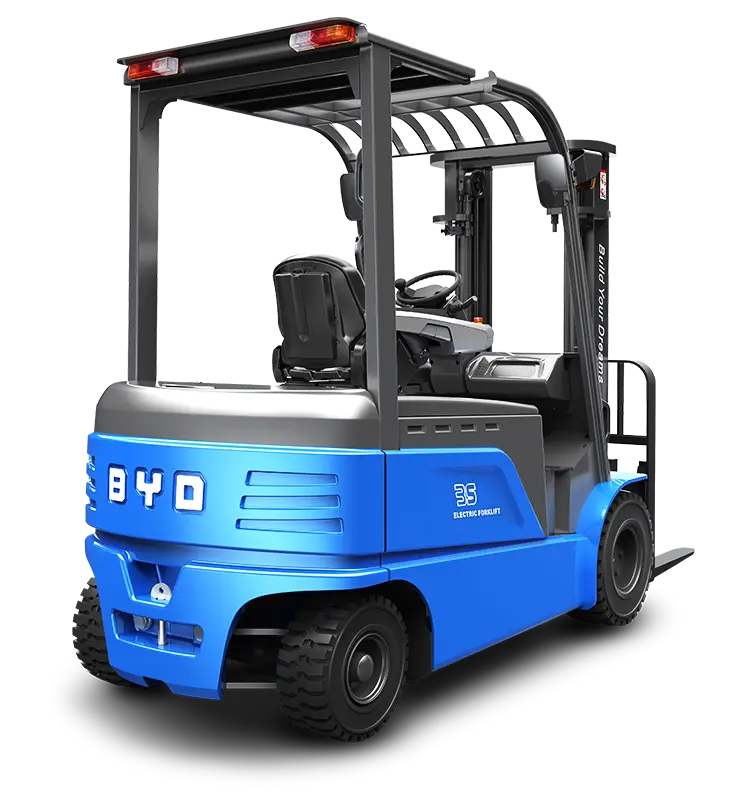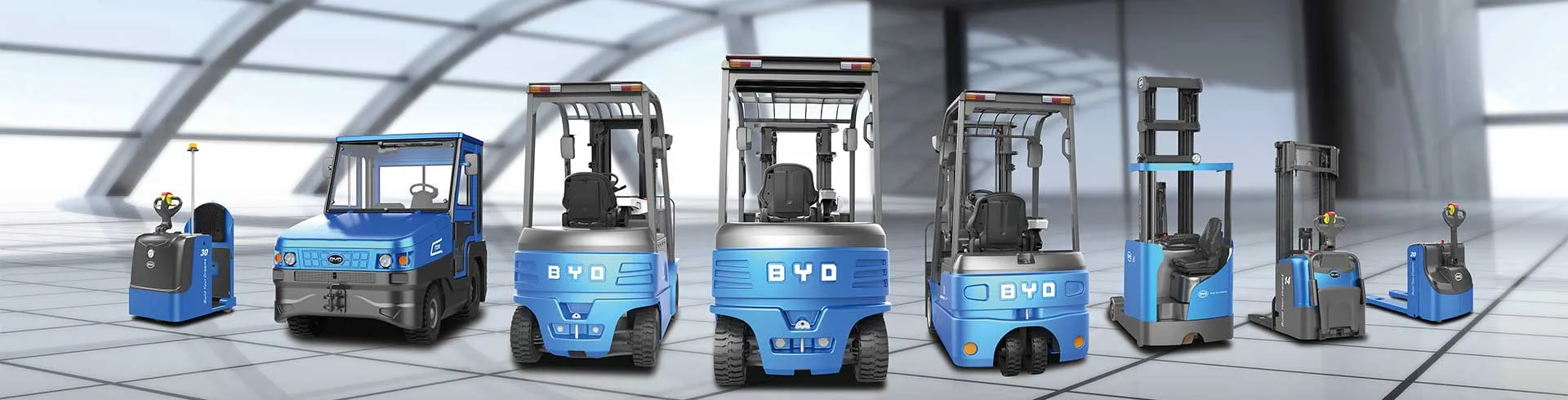
As a first-time buyer of electric forklifts, you may focus more on load capacity, lifting height and battery life of the equipment, while easily ignoring the compliance requirements of forklift guardrails, which is a core safety-related component clearly specified in workplace safety regulations. Jian Shu New Energy, the professional operator specialized in BYD electric forklifts, sorts out all practical and compliant guardrail requirements for new purchasers to avoid hidden safety risks in subsequent daily operation.
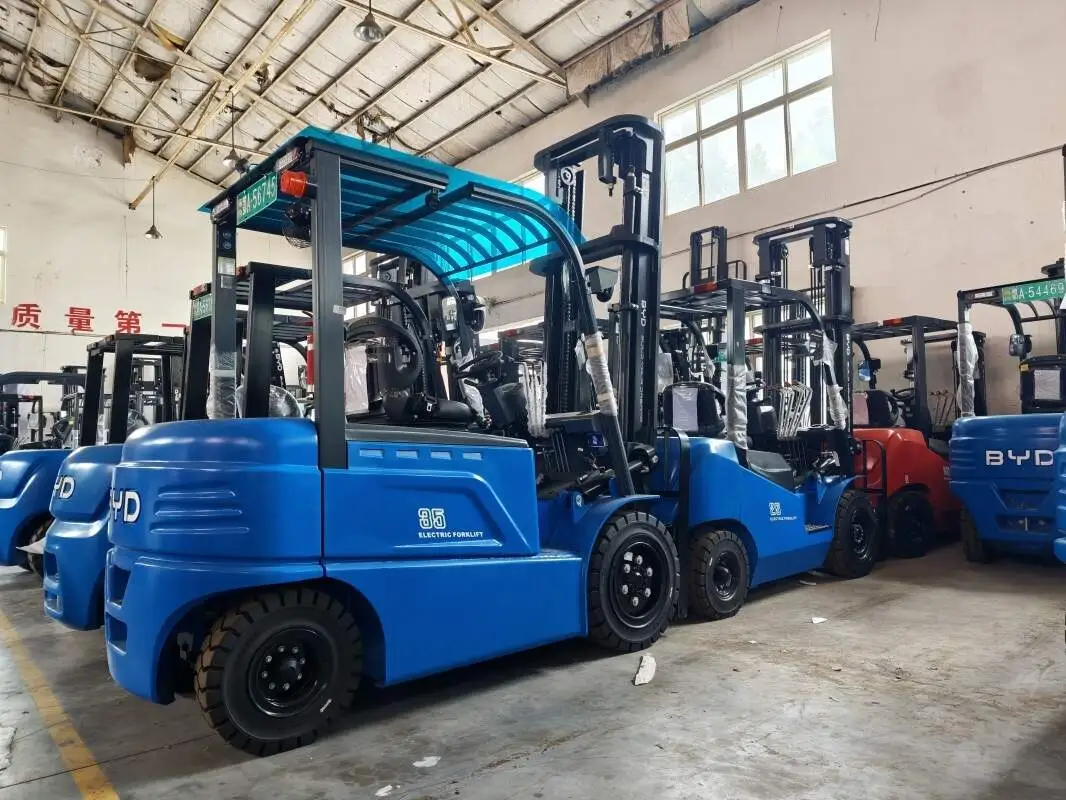
First, we will clarify the core positioning of forklift guardrails: it is not an optional additional accessory, but a mandatory standard configuration that must be installed on all manned electric forklifts. Its basic functions include preventing operators from accidentally falling from the operation position during high-intensity steering or bumping on uneven roads, and blocking accidentally slipped goods from directly impacting the operator’s area to reduce injury risks.
For general basic compliance requirements, the guardrail shall reach the specified height that meets local workplace safety standards, its overall structural strength can bear the lateral impact force corresponding to the rated load of the forklift without obvious deformation, all exposed edges and corners shall be polished to rounded treatment to avoid scratching operators during daily operation, and all connection parts between the guardrail and the forklift body shall be fixed with anti-loose fasteners, no visible shaking or gap is allowed after installation.
For different specific operation scenarios, there are also targeted guardrail adaptation requirements. For electric forklifts that often carry out high-lifting operation, the guardrail shall be equipped with additional lateral limit protection structure to further improve operation safety. For forklifts used in low-temperature cold storage scenarios, the surface of the guardrail shall be treated with anti-corrosion and anti-rust process to ensure long service life in special environment. For forklifts working in narrow aisle warehouses, the overall outline of the guardrail shall not exceed the outer edge of the forklift body, to avoid accidental scraping with goods or shelf structures in the narrow passing space.
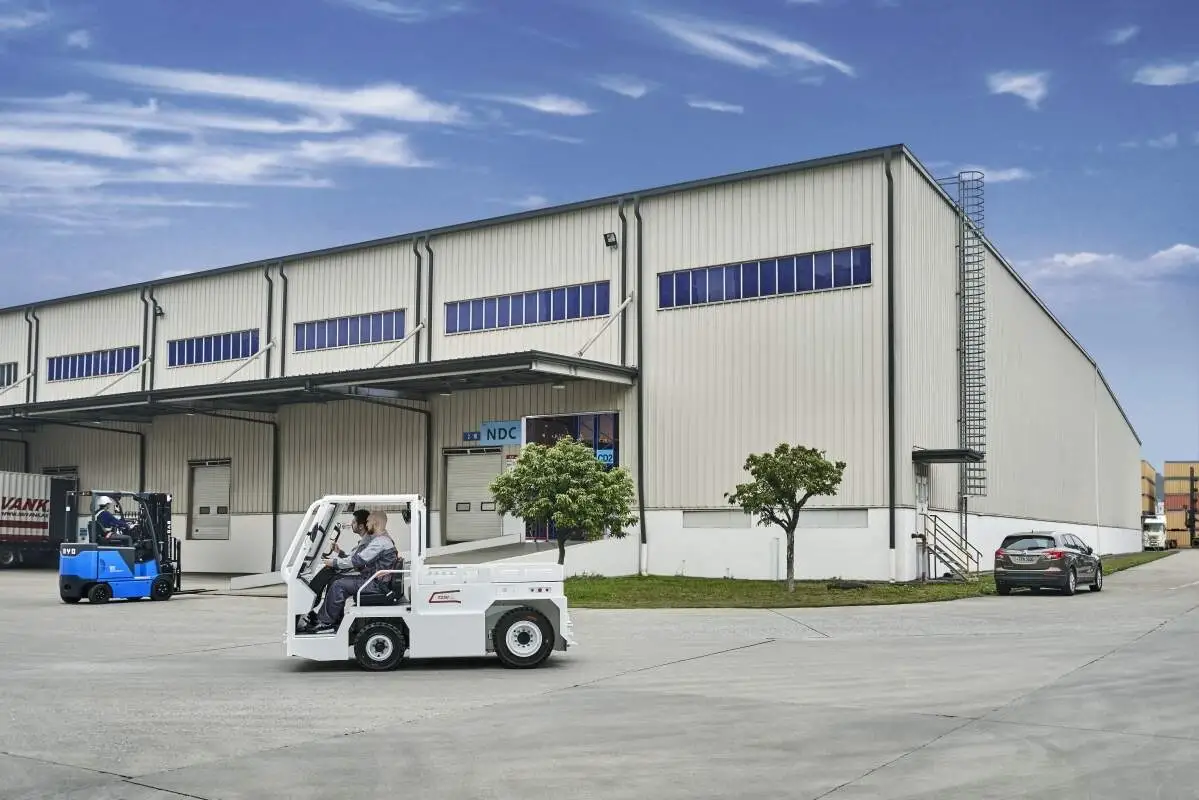
Most first-time buyers easily fall into two common misunderstandings: one is to remove the original factory guardrail privately to expand the operation space, which will directly lead to the equipment not meeting the safety compliance requirements; the other is to replace the standard guardrail with a simple self-welded structure without safety performance test, which has great hidden danger of structural fracture in case of impact. When you purchase equipment, you can ask the supplier to provide the test report of the guardrail’s safety performance to confirm that it meets all relevant regulatory provisions. As a professional supplier focusing on new energy electric forklifts, we can provide full-standard compliance verification and professional configuration guidance for every first-time buyer, to help you select the equipment that fully meets your operation needs and safety requirements.