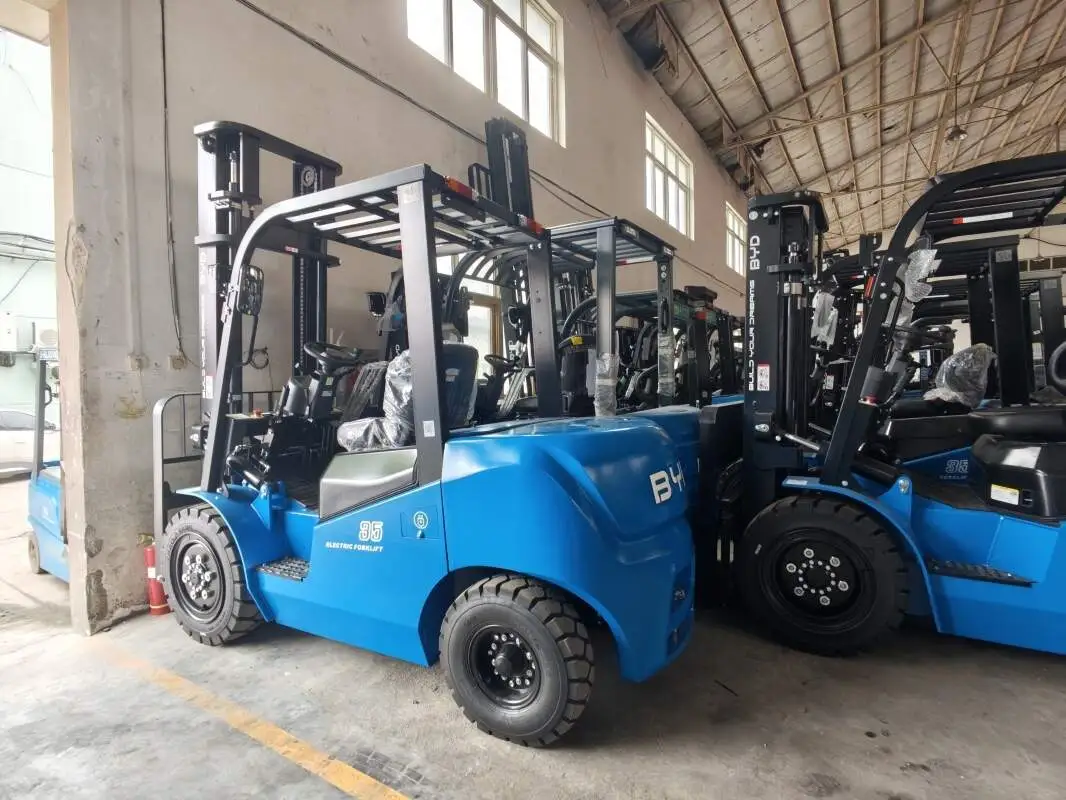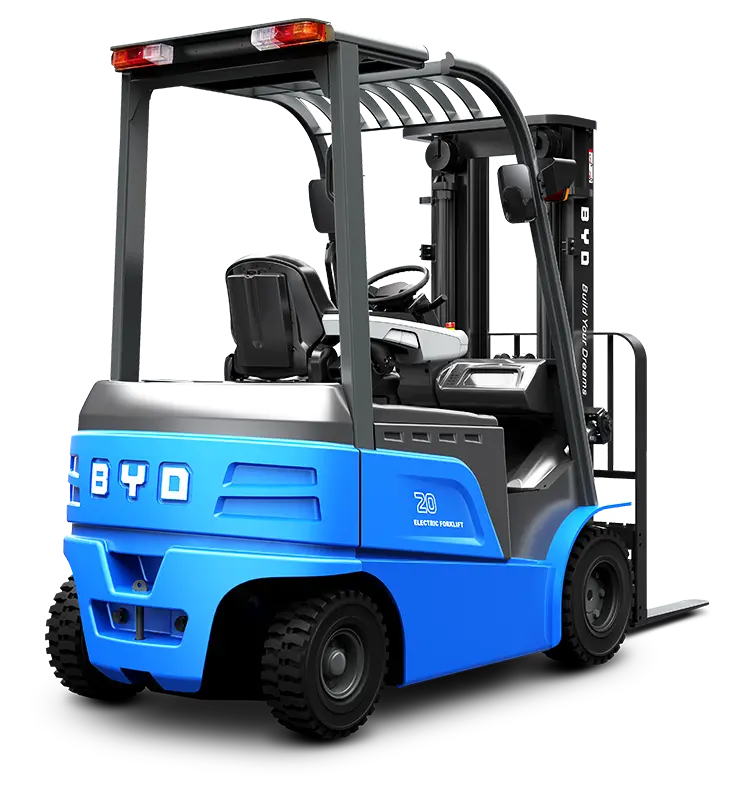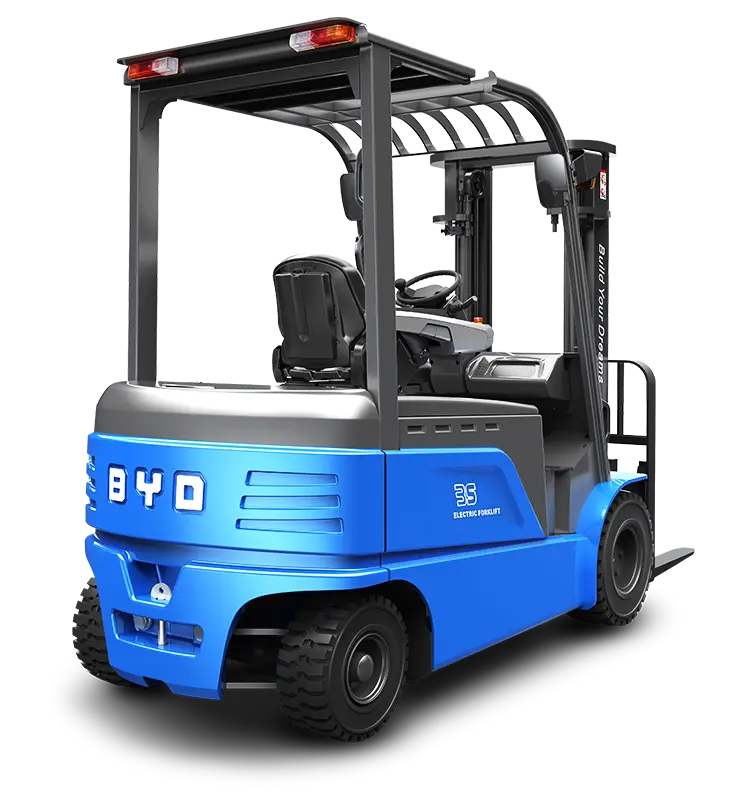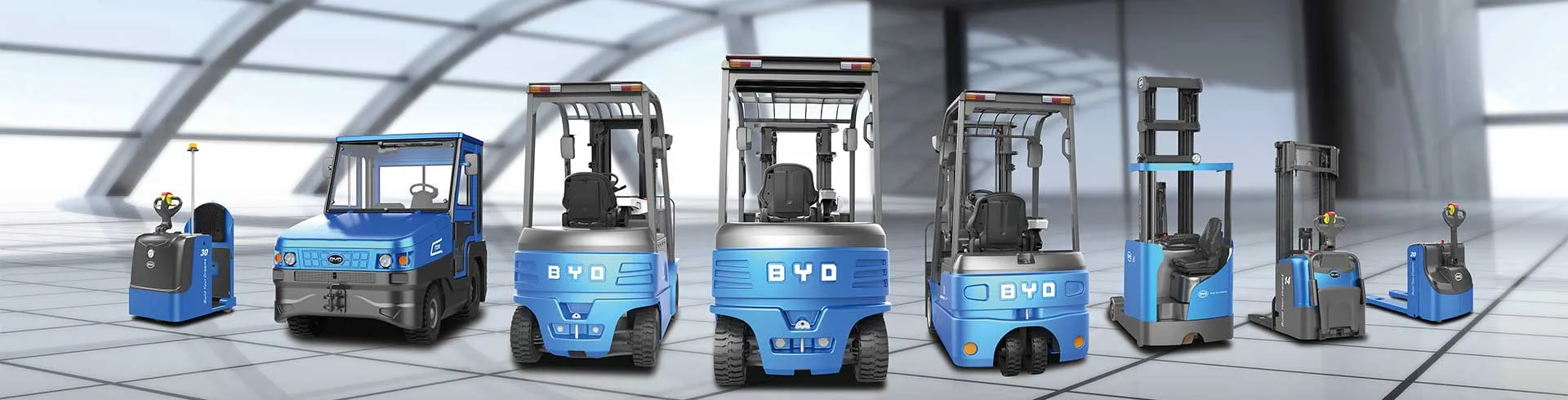
For personnel engaged in logistics, warehousing and industrial material handling scenarios, holding a valid forklift licence is the basic requirement to ensure standardized and safe operation. Different operation scenarios and equipment types correspond to different categories of forklift licences, and many practitioners and enterprise managers have doubts about the cost, required training time and actual value of different licence types.
The first common category is the basic counterbalance forklift operation licence, which is applicable to most conventional electric counterbalance forklift equipment, covering operation scenarios with regular ground condition and common cargo handling weight below 5 tons. The second category is the narrow aisle dedicated forklift licence, which targets high-density warehousing scenes where the equipment needs to complete turning and stacking operation in aisle with width less than 2 meters, and puts higher requirement on operation precision of staff. The third common category is the rough terrain forklift licence, which is applicable to outdoor uneven working sites including open-air cargo yards and large outdoor material distribution areas.
For the basic counterbalance forklift licence, the current market reference training and assessment cost usually ranges from 150 to 300 US dollars, the specific price will fluctuate slightly according to regional regulatory requirements and training institution supporting configuration. The narrow aisle dedicated forklift licence usually needs extra 80 to 150 US dollars on the basis of basic certificate, as it adds special precision operation training module to help operators adapt to the limited space operation environment. The rough terrain forklift licence has a reference cost of 250 to 400 US dollars, which includes outdoor site operation and complex condition response training content.
As for the training time, the basic forklift licence usually takes 3 to 5 working days, including theoretical knowledge learning covering safety operation specification, daily equipment maintenance, accident emergency disposal, and practical operation assessment of basic driving, cargo stacking and standard parking. The narrow aisle dedicated licence adds 2 to 3 days of targeted training, focusing on fine operation control to avoid collision with storage racks and goods in limited space. The rough terrain forklift licence usually takes 5 to 7 working days, adding special training for slope operation, muddy site handling and obstacle avoidance under non-pavement condition.
Talking about the actual value of different licences, the basic type is the necessary threshold for most warehousing operation positions, which can help operators meet the post employment requirements, avoid safety operation risks caused by non-standard operation, and effectively reduce the equipment damage probability. The narrow aisle forklift licence can help practitioners adapt to the high-density storage scene of modern automated warehouses, which greatly improves the unit storage capacity of the warehouse, and is very suitable for enterprises that use narrow-aisle electric forklifts to improve storage efficiency. The rough terrain forklift licence expands the employment scope of operators to outdoor operation scenarios, meeting the material handling demand of open-air yards and other scenes.
As Jianshu New Energy, we specialize in the supply and supporting service of BYD electric forklifts, and we suggest all forklift operators to choose the matching forklift licence type according to their actual working scenarios, complete formal standardized training, ensure operation safety, give full play to the use efficiency of electric forklift equipment, and create higher operational benefit for enterprises.