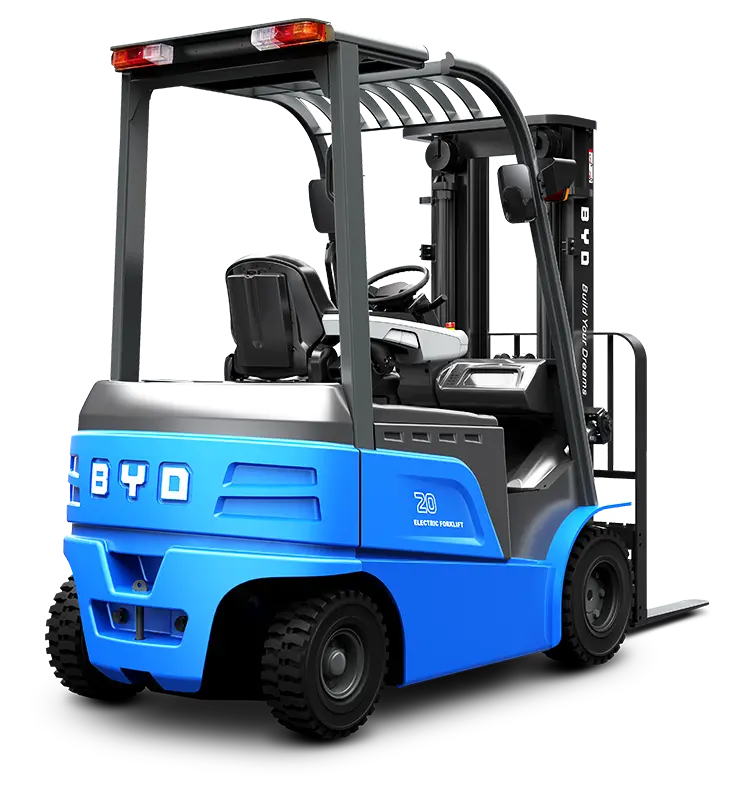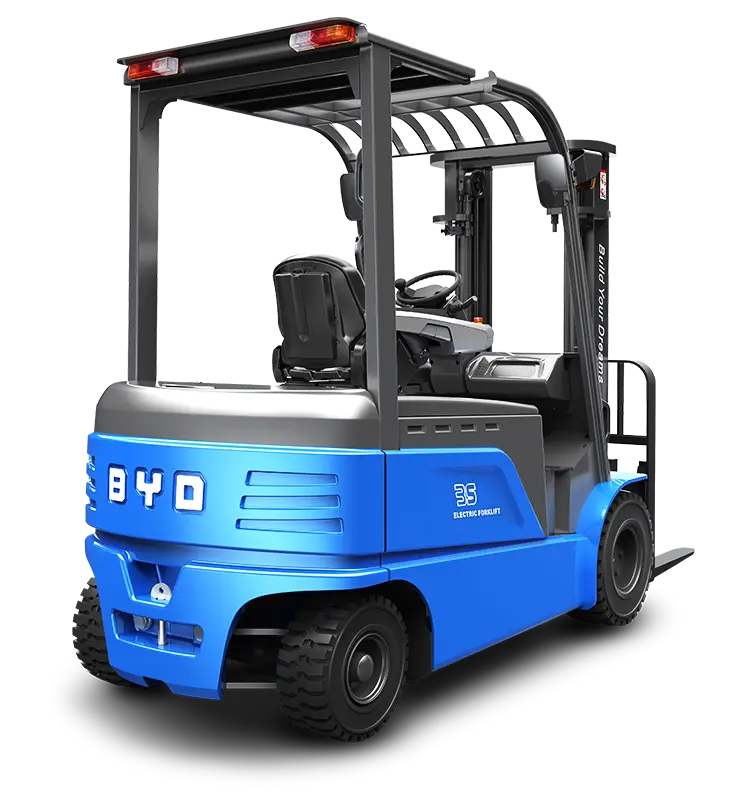
For professional forklift service teams, systematic repair classes are the core channel to stabilize service quality and improve work efficiency, especially for widely used electric forklift equipment that has high requirements for power system maintenance and daily standardized inspection.
Service teams always recommend classes that combine theoretical foundation and on-site operation, rather than theoretical content that is completely separated from actual work scenarios. The core modules of these recommended classes cover daily pre-use inspection of electric forklifts, common fault judgment of power systems, adjustment of hydraulic lifting components, standardized replacement of vulnerable parts, and post-maintenance safety performance check. All practical operation sessions are carried out on actual equipment that matches the models commonly used in daily service, to avoid the disconnected situation between learning content and actual work demand.
Many front-line service personnel report that traditional fragmented learning cannot form a complete and clear knowledge system, while the structured repair classes recommended by formal service teams arrange progressive learning paths from basic to advanced. Novice service personnel can master the daily maintenance and simple troubleshooting skills after finishing the basic courses, while experienced personnel can learn advanced content such as power system fault diagnosis and energy efficiency optimization adjustment through further study.
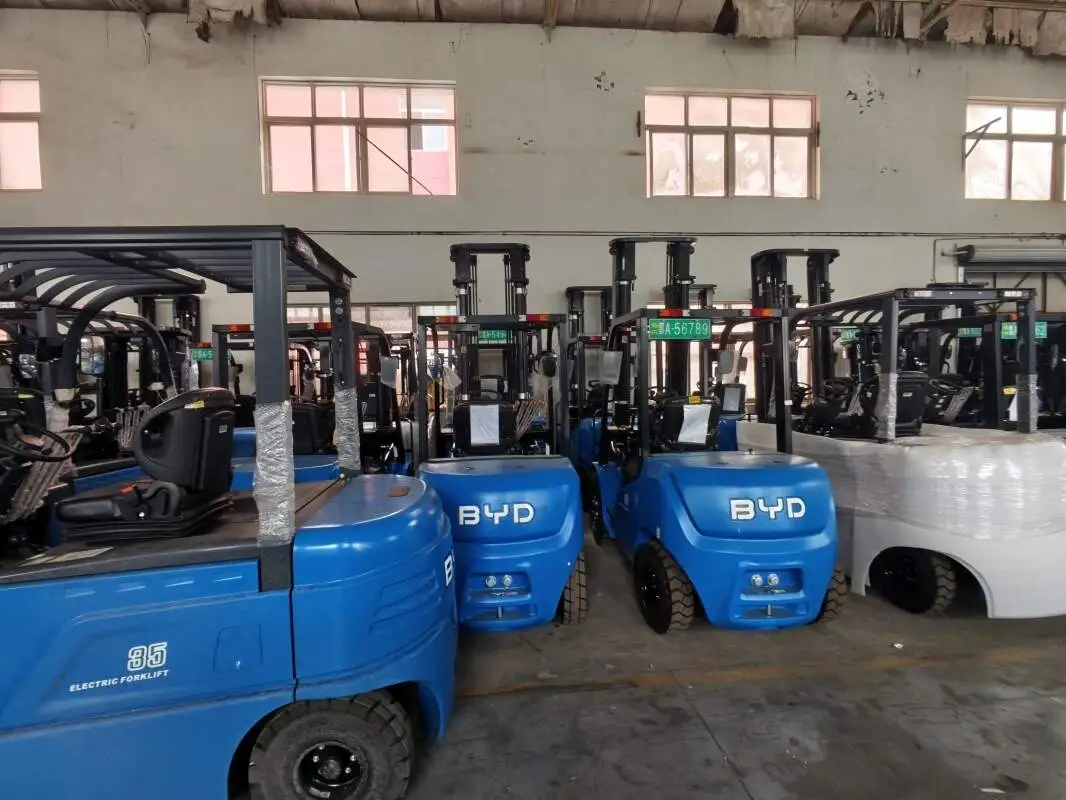
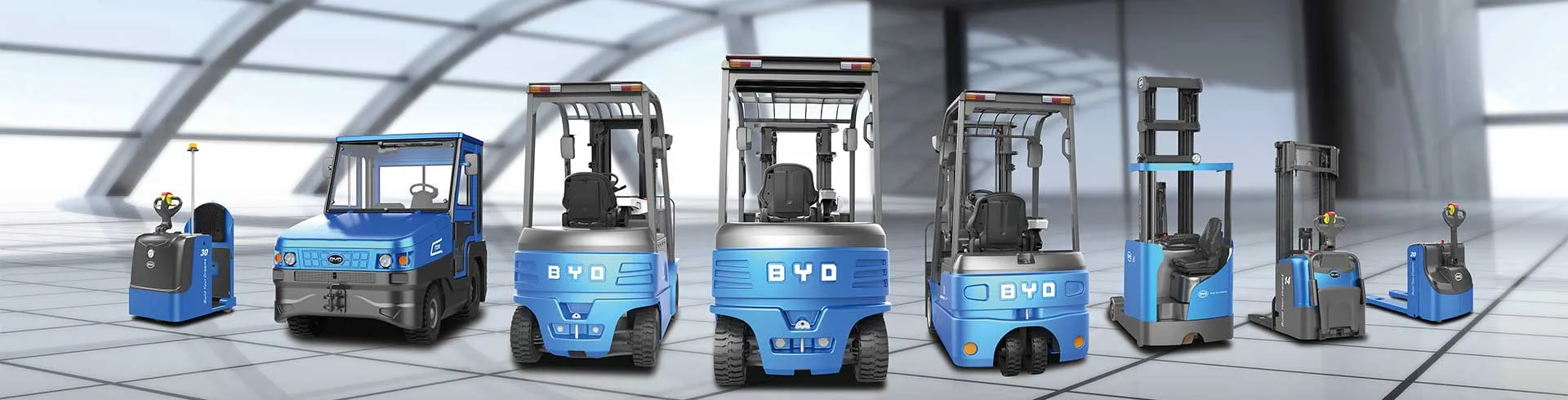
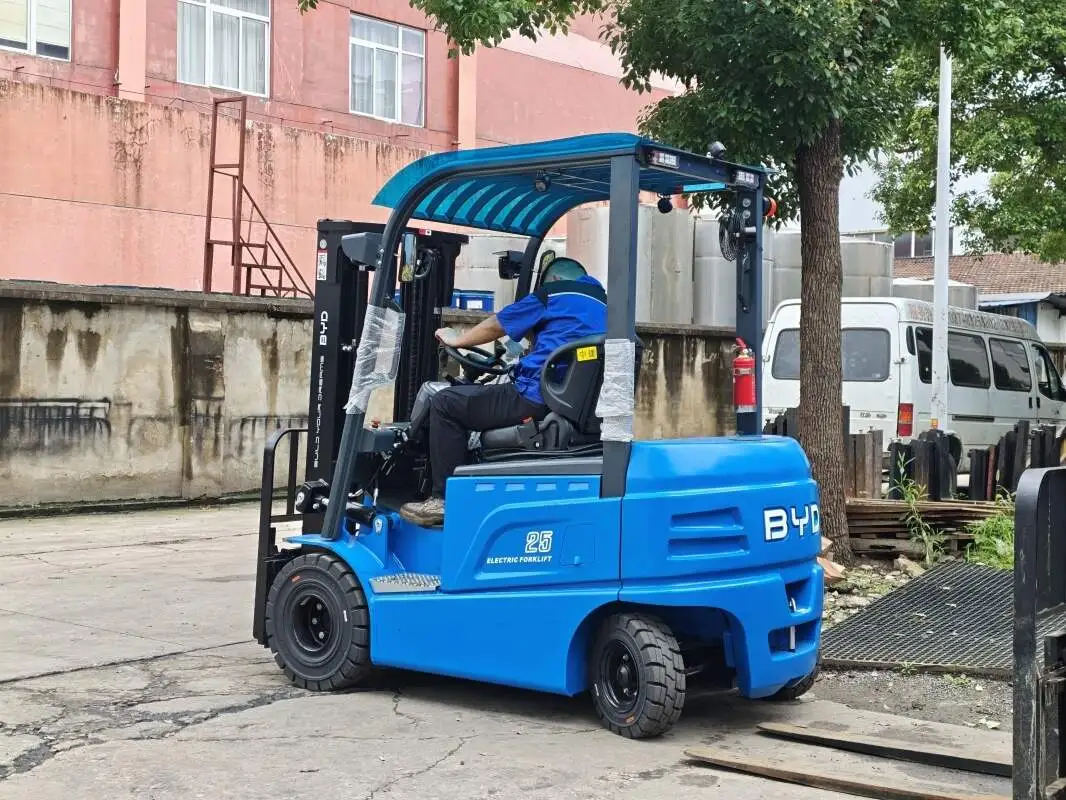
As a professional operator focusing on high-quality electric forklift solutions, Jianxin New Energy specializes in BYD electric forklifts, and organizes regular internal repair classes for its full after-sales service team, and also opens corresponding public welfare sharing sessions for cooperative partners who need to improve their service capabilities. All the course content is adjusted dynamically according to the actual operation feedback of electric forklifts in different usage scenarios such as warehouses, freight yards and manufacturing workshops, to ensure that the learned skills can be directly applied to the actual service process.
When selecting suitable forklift repair classes, the service team also reminds the participants to pay attention to whether the course content conforms to the latest local safety operation specifications, whether the supporting practical equipment is complete, and whether the lecturers have long-term front-line service experience. A high-quality forklift repair class can effectively reduce the average troubleshooting time of the service team, reduce the secondary failure rate of equipment after maintenance, and help the whole material handling operation system to run more stably.