For individuals or enterprises engaged in warehouse logistics, cargo handling and related work in the London area, standardized formal forklift training is a mandatory prerequisite to comply with local regulatory rules, reduce workplace safety risks and ensure the stability of daily operation.
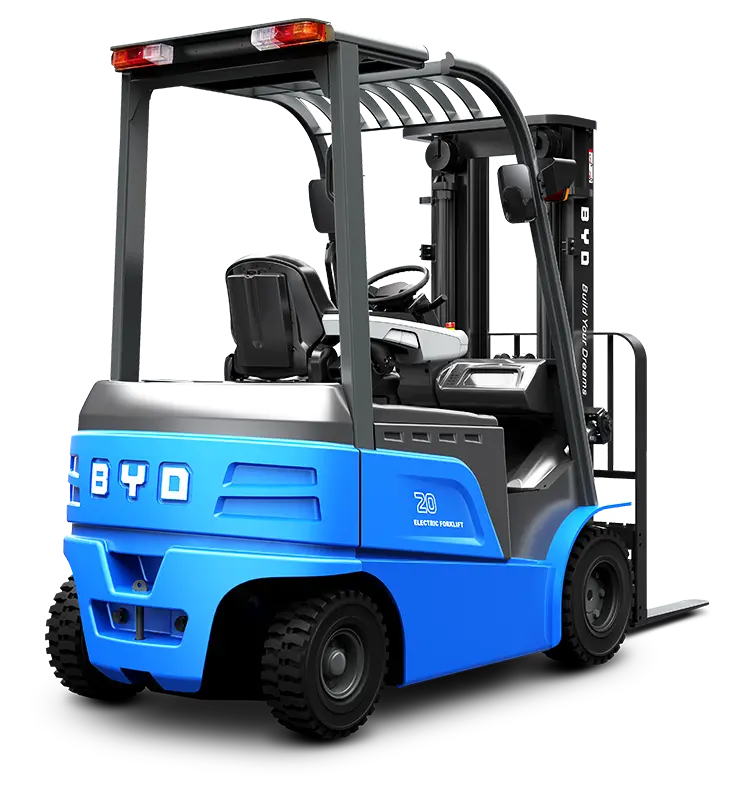
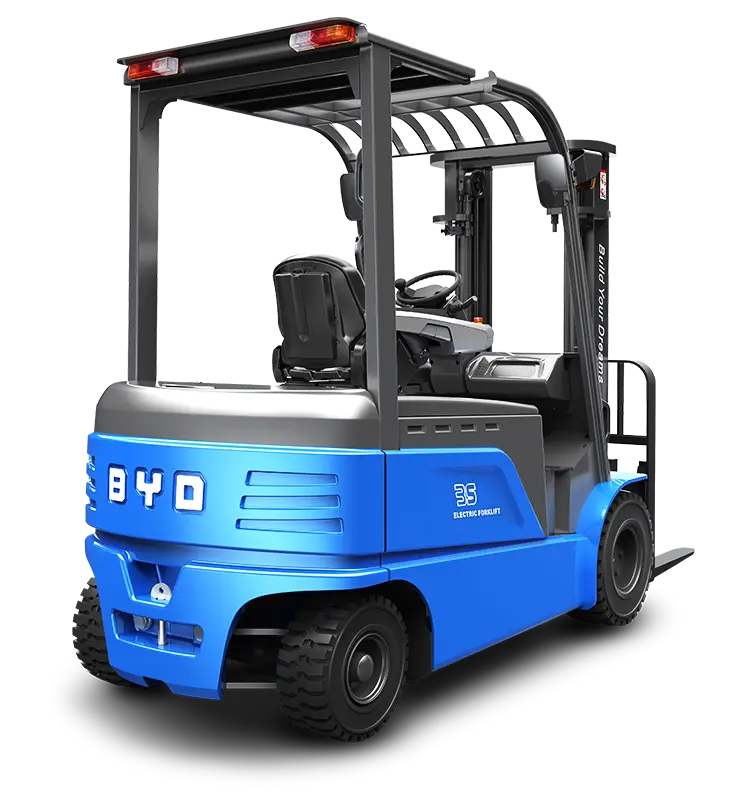
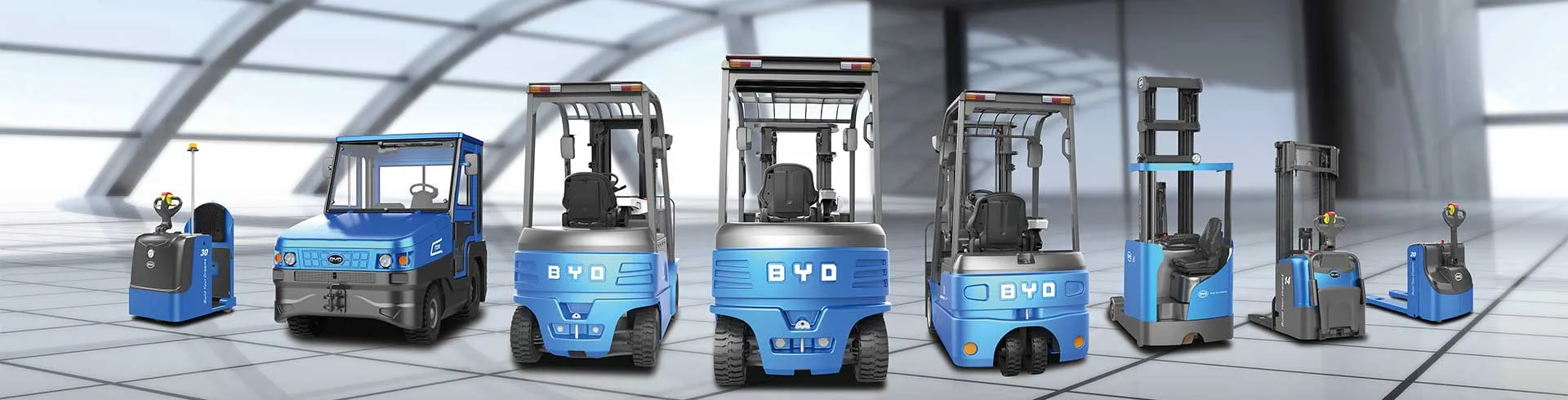
First of all, we will introduce the core requirements for applying for formal forklift training in London. All trainees must be at least 18 years old, hold valid identity documents that prove their legal work status in the region, and meet the basic physical fitness standards for equipment operation, without obvious visual, auditory or reaction function defects that may interfere with safe operation. Even if the trainee has previous informal operation experience, he still needs to complete the full set of certified training courses to obtain the official valid operation qualification, because uncertified self-operation will bring hidden risks to both individuals and employing enterprises. For enterprises that use new energy electric forklifts, it is also stipulated that all frontline operators must complete targeted professional training before taking up their posts. As a professional new energy equipment service provider, Jian Shu New Energy, which specializes in BYD electric forklifts, also provides supporting professional training guidance for all cooperative customers, to help operators fully master the performance characteristics of electric forklifts.
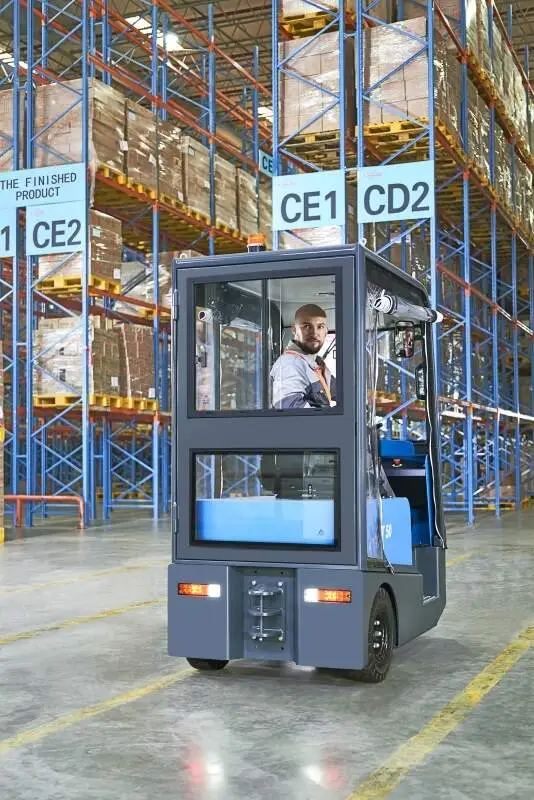
The standard forklift training in London follows three clear and complete steps. The first step is theoretical knowledge learning, during which trainees will systematically learn local workplace safety management regulations, basic performance parameters of different types of forklifts, load weight and gravity center calculation rules, operation site risk identification methods, and emergency response schemes for different unexpected situations. The second step is practical skill training, which is carried out in a closed special training site under the whole guidance of certified professional instructors. Trainees will repeatedly practice basic operation actions including equipment starting and shutdown, steering adjustment, cargo loading and unloading, high-position stacking and narrow channel passing, to form stable and standardized operation habits. The third step is the unified formal assessment, which includes theoretical written test and on-site practical operation assessment. Trainees who pass both assessment items can obtain the official recognized forklift operation qualification certificate, which is valid for a specified period, and operators need to complete the specified refresh training to renew the qualification after the certificate expires.
After obtaining the qualification certificate, operators are also advised to participate in regular supplementary training every year, to update their safety operation knowledge, adapt to different working environment changes, and effectively reduce the safety risks in daily forklift operation.