If you are a first-time buyer planning to purchase a forklift for your warehouse, logistics distribution park, factory storage area or cargo loading and unloading station, figuring out the actual operating speed of the equipment is one of the core factors that you cannot ignore during the whole selection process. Many new buyers often hold misunderstandings about forklift speed: some blindly pursue excessively high top speed to chase higher handling efficiency, while others pay no attention to the speed matching degree between the equipment and their actual operation scenarios, which may bring unnecessary hidden dangers to daily operation later.
Generally speaking, the no-load driving speed of standard electric forklifts is usually controlled within the range of 5 to 15 kilometers per hour. When the forklift is fully loaded with goods, the driving speed will be adjusted downward appropriately, mostly maintained in the range of 3 to 10 kilometers per hour. Such speed setting is not designed to limit the handling efficiency, but fully considers the safety operation specifications of industrial venues, to effectively avoid safety risks such as site collision, cargo toppling and personnel injury caused by high-speed driving in complex working environments.
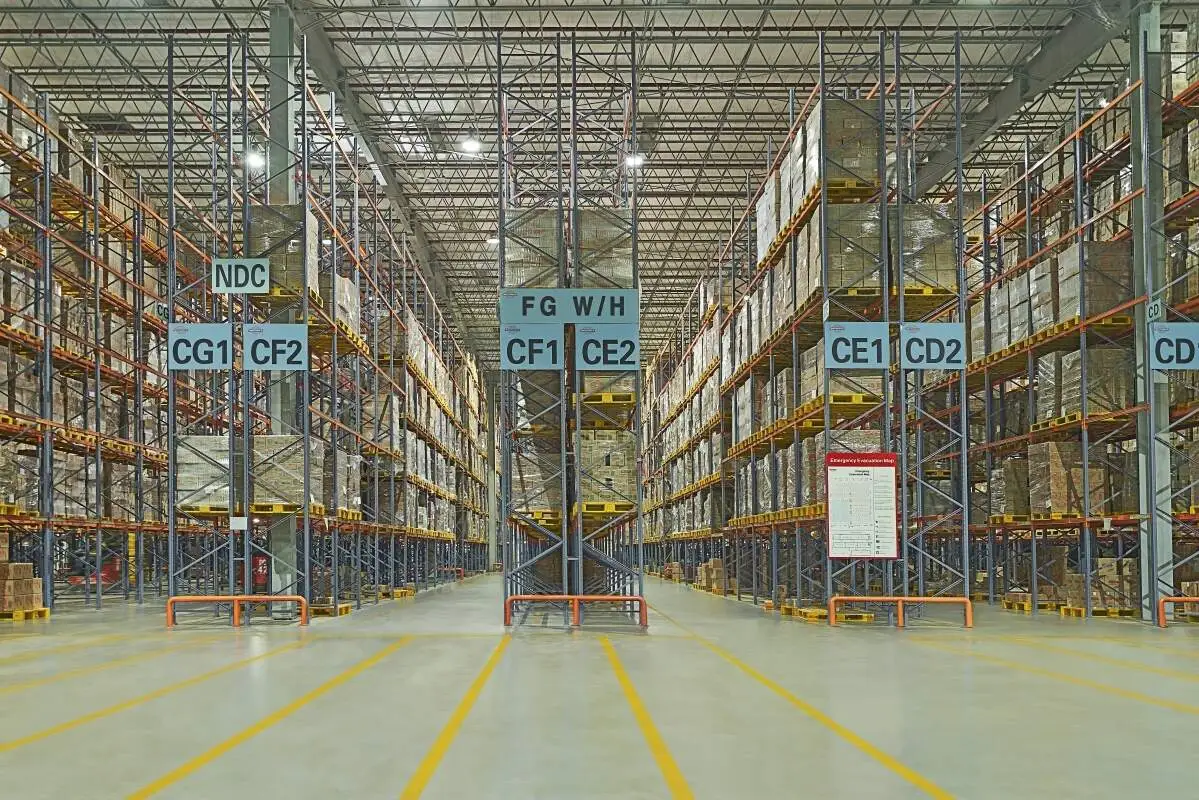
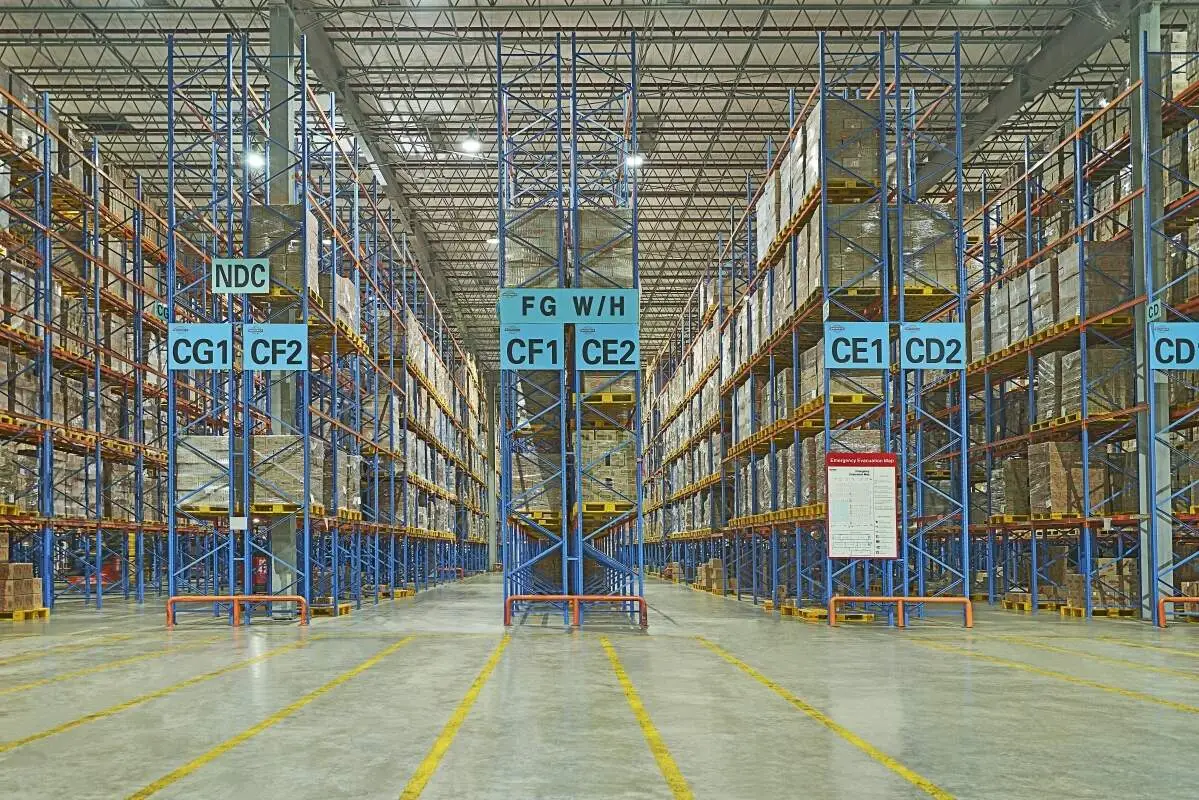
Different operation scenarios need to match different suitable speed ranges. For narrow indoor warehouse aisles and dense storage areas stacked with a large number of goods, the forklift usually needs to maintain a low driving speed of 3 to 6 kilometers per hour, cooperating with precise steering and lifting operations to ensure the double safety of on-site personnel and stored goods. For open outdoor cargo yards and scenes requiring long-distance material transfer, operators can switch to a higher speed gear to improve the overall transfer efficiency on the premise of meeting the site safety management requirements.
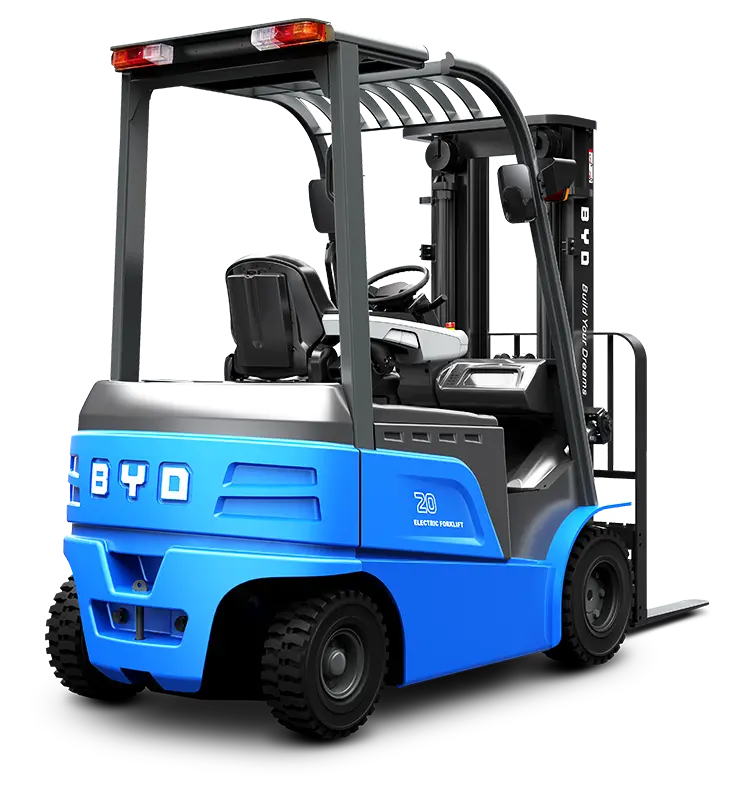
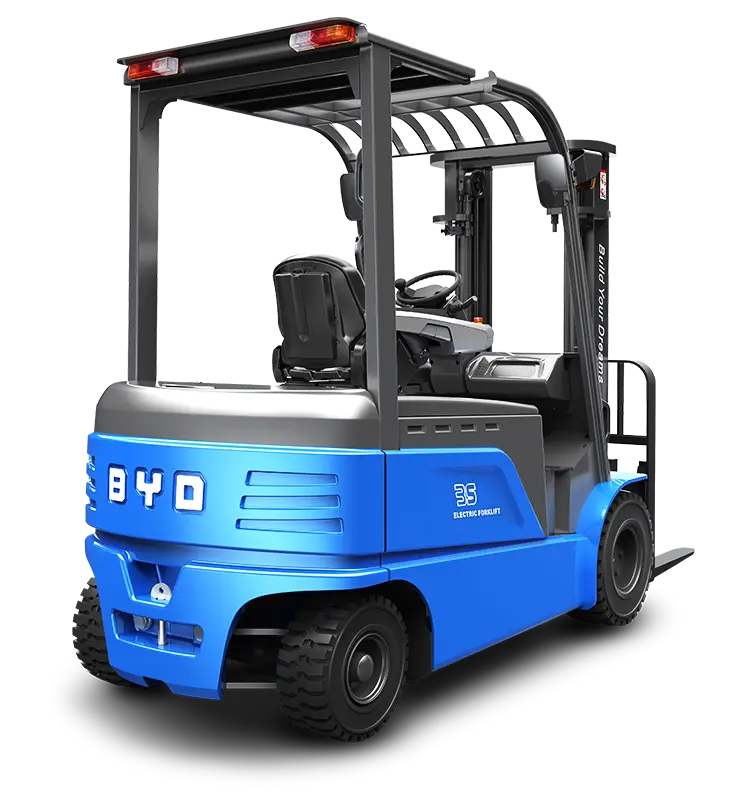
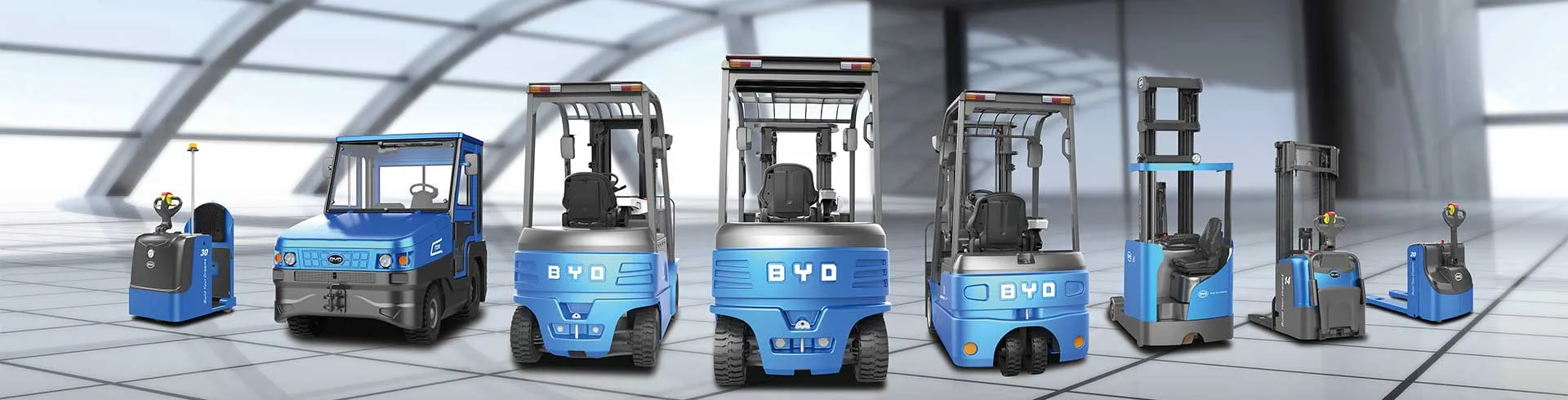
We are Jian Shu New Energy, specializing in BYD electric forklifts. All the electric forklift products we sell have speed parameters that strictly meet the relevant national safety operation standards for industrial vehicles, and have undergone multiple rounds of scenario-based speed debugging before leaving the factory. They can not only meet the daily operation efficiency needs of different users, but also fully comply with the safety management specifications of various industrial sites. We suggest first-time buyers not to blindly pursue the maximum driving speed when selecting models, and make reference to multiple dimensions such as the aisle width of the operation site, the density of on-site personnel flow, the type of goods to be handled, so as to select the model with appropriate speed range that best suits your actual demand. If you have any doubt about parameter matching, you can contact our professional sales and technical team at any time to get targeted purchase guidance.