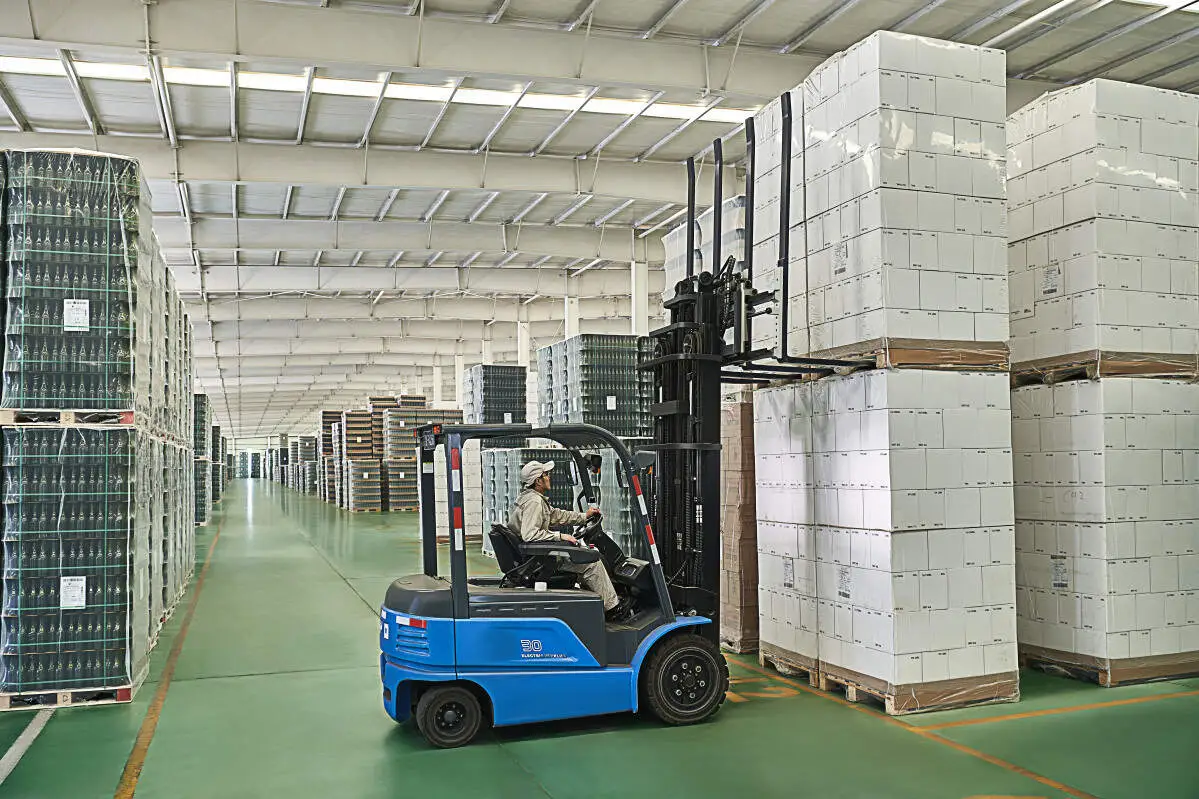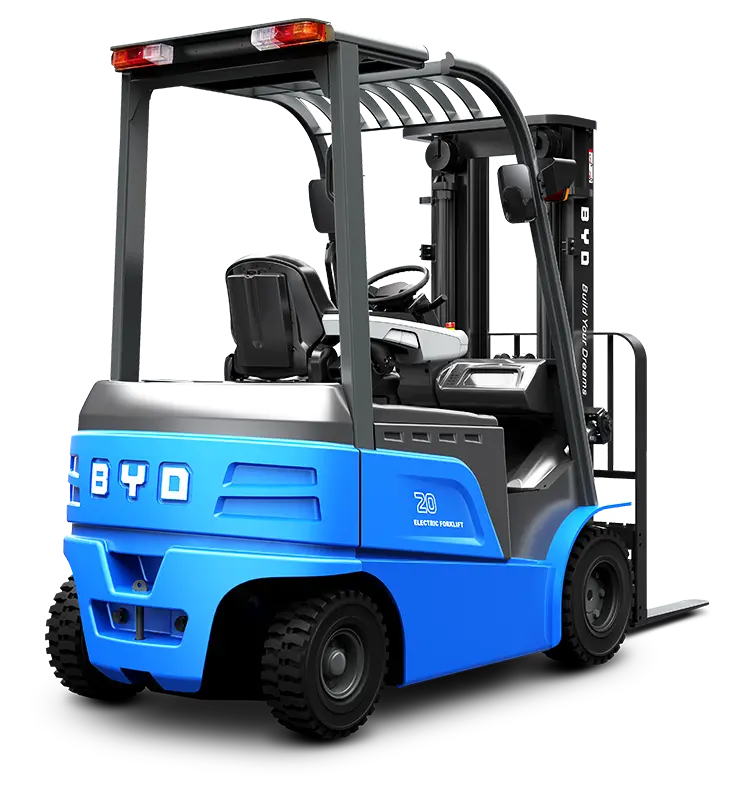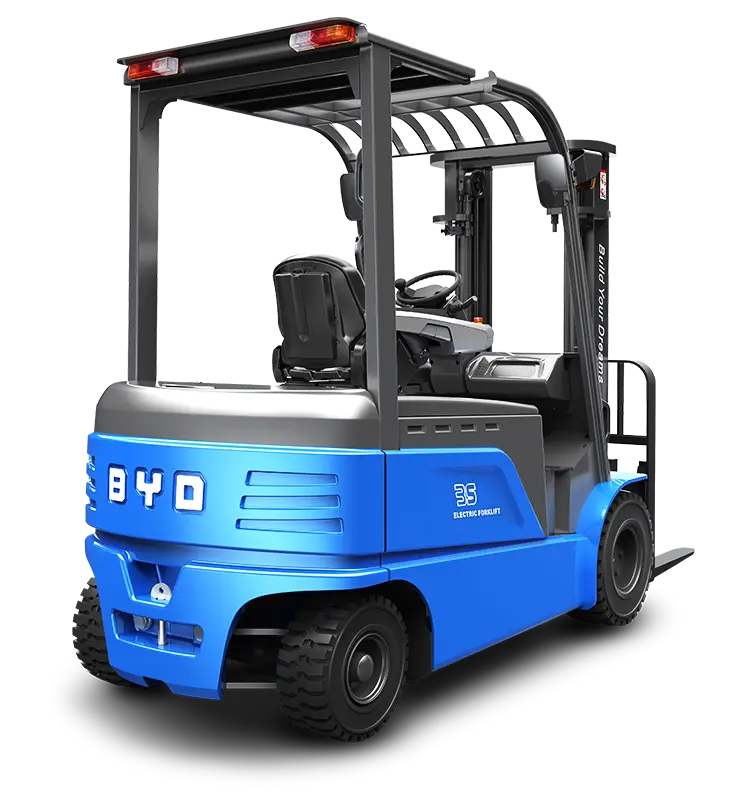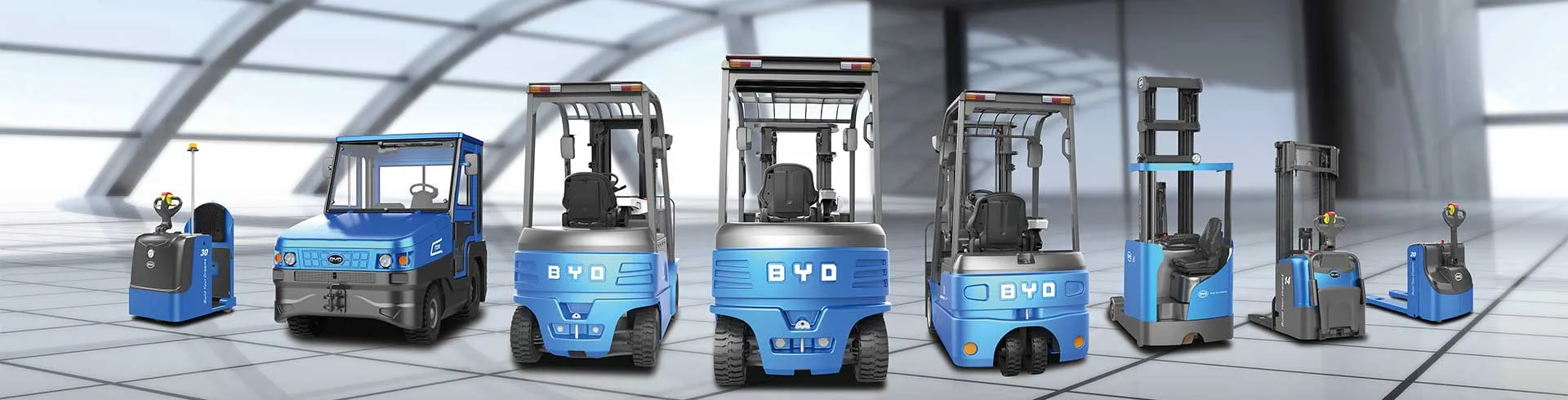
forklift class ratings are standardized classification criteria that define the core performance parameters, applicable load ranges, operation scenarios and safety limits of different material handling equipment. Mastering the correct approach to apply these ratings in daily work can effectively reduce operation risks, extend equipment service life and improve overall handling efficiency. As a professional new energy equipment provider, Jianshu New Energy specializes in BYD electric forklifts, and we summarize practical applicable suggestions for frontline practitioners as follows.
First, complete the pre-operation check of forklift class ratings before each shift. Every qualified electric forklift is marked with clear class rating information on the nameplate, including rated load limit, allowable lifting height, applicable working pavement condition and operation power parameter. Operators should check the corresponding rating labels first before getting on the vehicle, to confirm the equipment type matches the assigned handling task, rather than starting operation directly without confirmation. This small step can avoid most of the overload and misapplication risks in daily work.
Second, match the actual work scenario with corresponding forklift class rating requirements. Different scenarios including flat warehouse handling, narrow aisle stacking, cold storage operation, outdoor ramp transfer have distinct requirements for forklift performance parameters. For example, the class rating suitable for heavy cargo stacking shall not be used in narrow aisle operation, and the class rating designed for indoor closed space operation shall not be applied in long-distance outdoor road transfer. Operators should make scenario matching plans in advance according to the class rating of the existing equipment, to arrange material handling tasks reasonably without exceeding the rated limit of the equipment.
Third, embed forklift class rating requirements into daily routine maintenance work. The maintenance standards for different rated class of electric forklifts are differentiated in terms of battery inspection, brake system calibration, lifting component lubrication and other links. The maintenance personnel shall carry out targeted inspection work strictly referring to the corresponding class rating operation manual, rather than applying unified maintenance standards to all types of forklifts, so as to keep the equipment in good operation condition consistently.
Fourth, organize regular training for operation team around forklift class ratings. Newly joined operators shall be trained systematically to fully understand the definition, limit and application rules of different forklift class ratings before taking up the post, and old operators shall also attend regular refresher training to update their relevant knowledge system, to ensure every team member can correctly judge the matching relation between task requirement and equipment class rating.
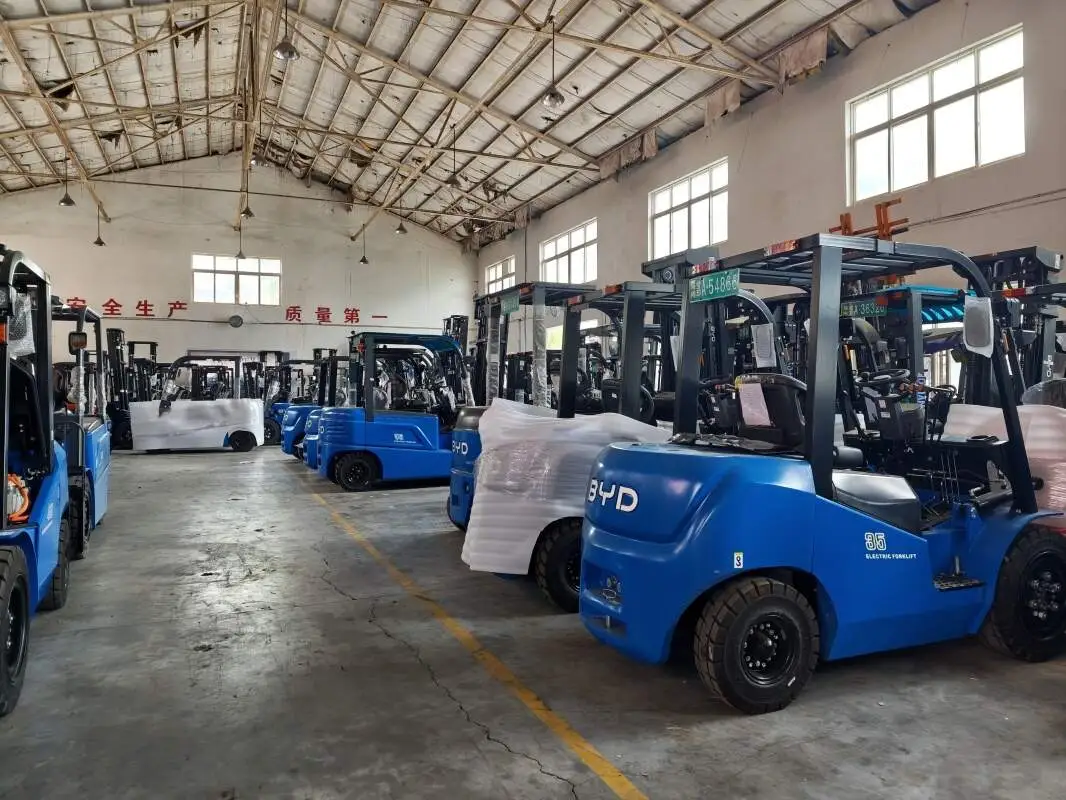
Jianshu New Energy, as a practitioner specializing in electric forklift supply and supporting service, will provide users with complete class rating application guidance together with the supplied BYD electric forklifts, to help every enterprise build a standardized, safe and high-efficiency electric forklift operation system.