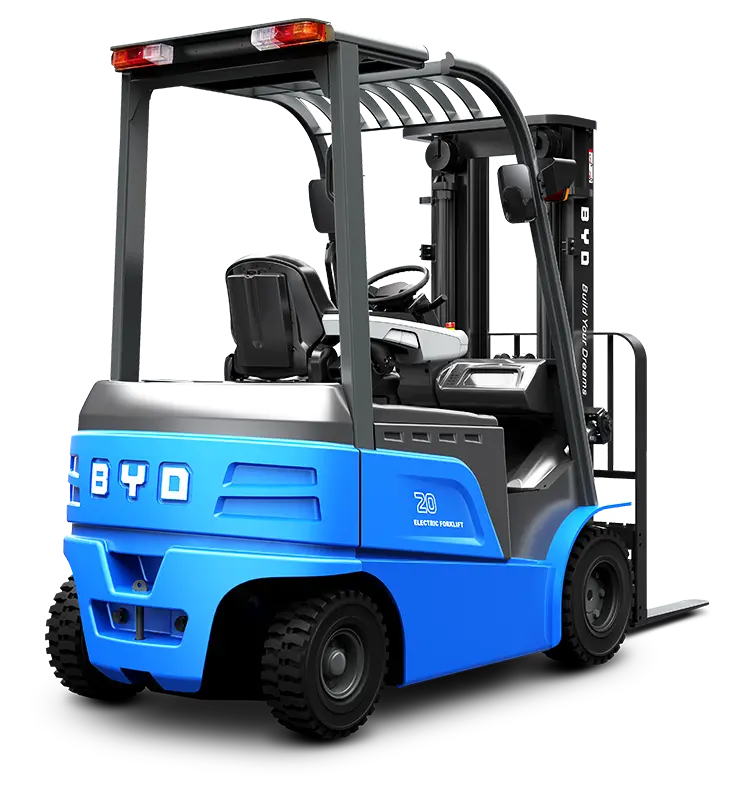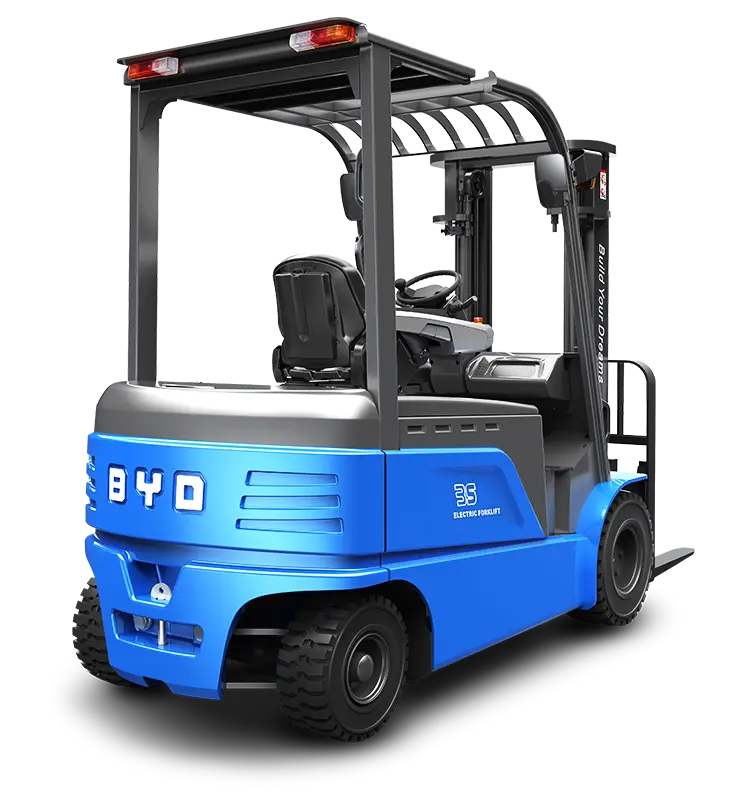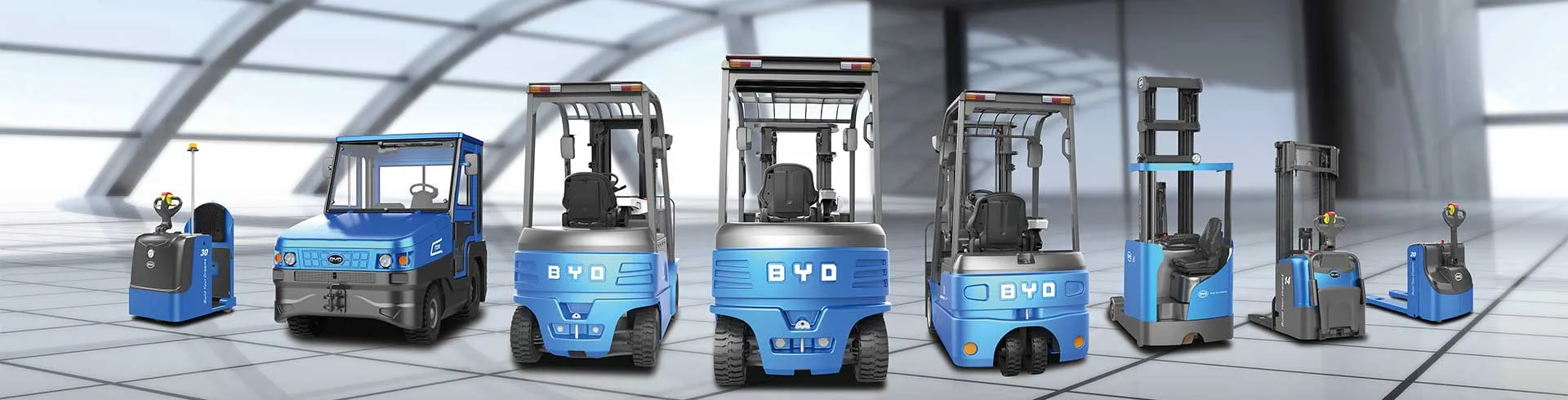
When you are planning to procure forklift heavy machinery for your production base, distribution warehouse or port cargo transfer site, clarifying your actual operation demands first is the core premise to avoid mismatched equipment and unnecessary cost waste. Many procurement teams only refer to the single parameter of load capacity when selecting forklifts, which often leads to insufficient model matching and reduces the overall operation efficiency of the whole material handling link.
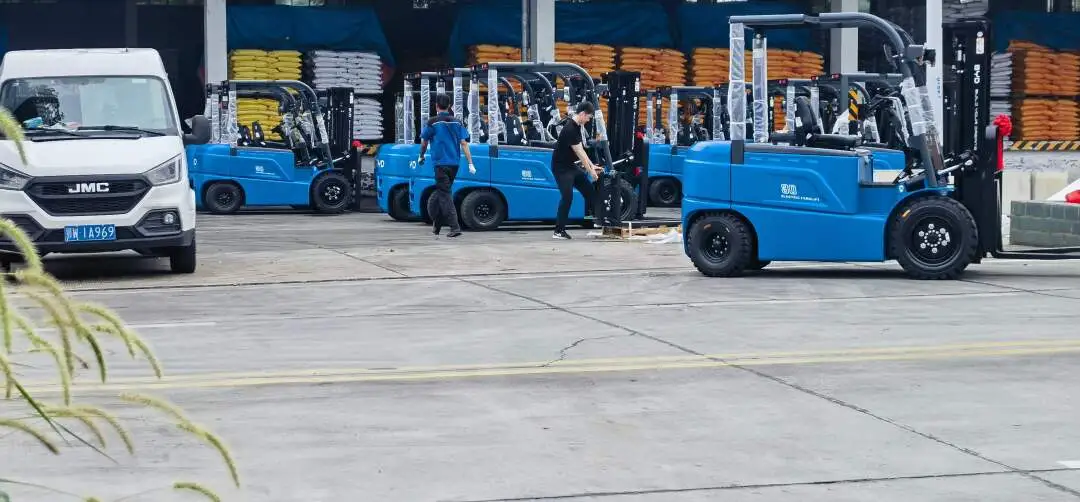
The first key consideration is confirming your daily operation load range and maximum required lifting height. Different operation scenarios have completely different demands for forklift parameters: scenarios of short-distance transfer of 1 to 2 tons of daily goods do not need to purchase extra-large tonnage forklifts, which will cause unnecessary energy consumption waste. For scenarios that need to pick and place goods on high shelves above 5 meters, you need to verify the load capacity of the equipment at the maximum lifting height, to ensure the operation meets safety standards and will not exceed the rated load limit in actual use.
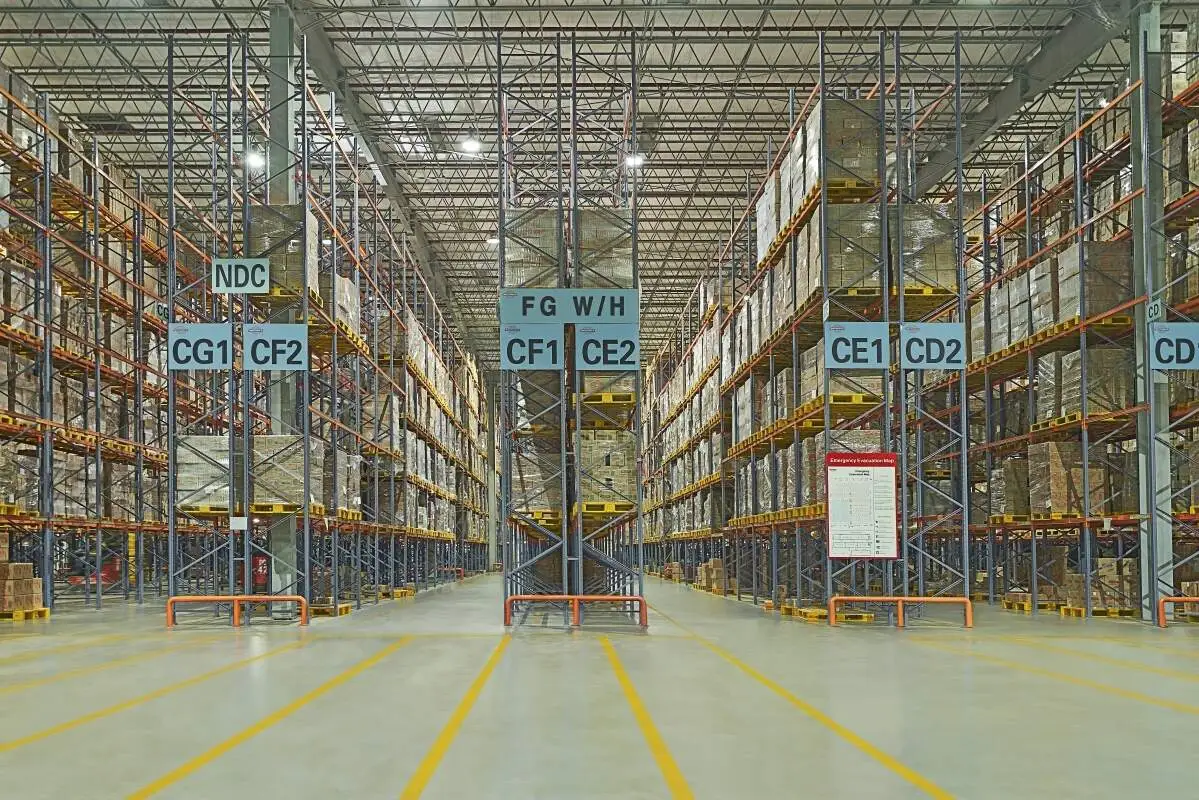
The second consideration is matching the actual site environment of your operation area. For indoor enclosed storage scenarios, fuel forklifts with exhaust emissions do not meet current environmental protection requirements, new energy electric forklifts with zero emission and low running noise are more suitable for long-time indoor operation. For operation sites with wet and slippery ground, or narrow channel space between shelves, you can select models with anti-skid solid tires and small turning radius to adapt to the special site conditions.
The third point is calculating the total input of the equipment full lifecycle. Many purchasers only pay attention to the initial purchase price of the equipment, ignoring the subsequent energy consumption cost, daily maintenance cost and parts replacement cost. From the perspective of long-term use, new energy electric forklifts have much lower power cost than traditional fuel forklifts, with fewer regular maintenance points, the comprehensive operation cost within 5 to 8 years of use can be controlled at a relatively reasonable level. As a professional new energy material handling equipment supplier, Jianshu New Energy specializes in supplying BYD electric forklifts, we can provide users with full set of operation demand evaluation before purchase, and free on-site survey service to match the most suitable forklift model for your daily use.
The last key consideration is verifying the after-sales service support capability of the supplier. Forklift heavy machinery belongs to high-frequency use production auxiliary equipment, once a fault occurs, fast on-site maintenance support can avoid long-term equipment shutdown that affects the whole production and circulation efficiency. Selecting suppliers with local service outlets and sufficient spare parts inventory can effectively reduce the loss caused by equipment downtime. After sorting out all the above demands, you can select the product that balances performance, cost and service support, to bring stable and efficient material handling support for your daily operation.