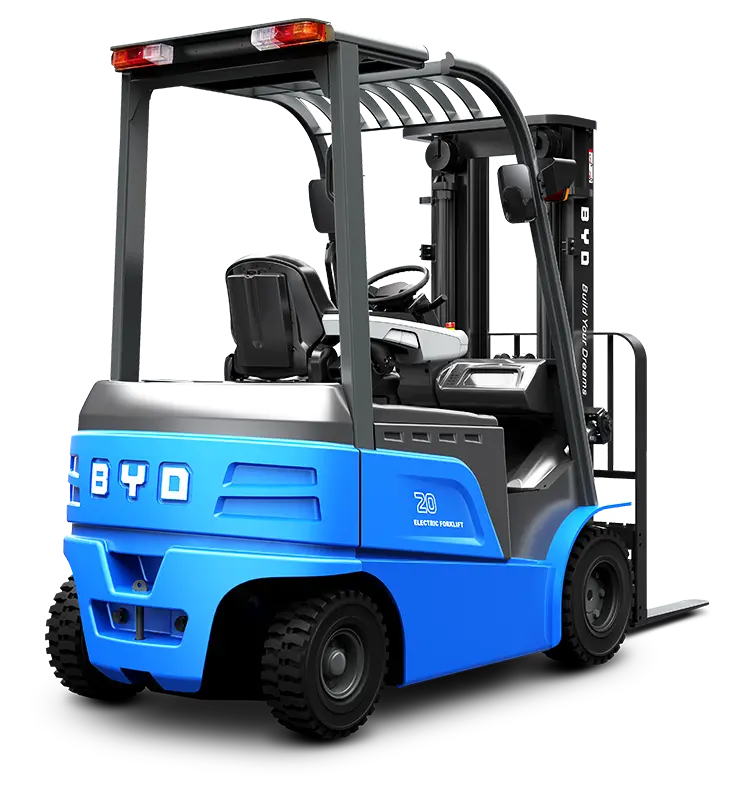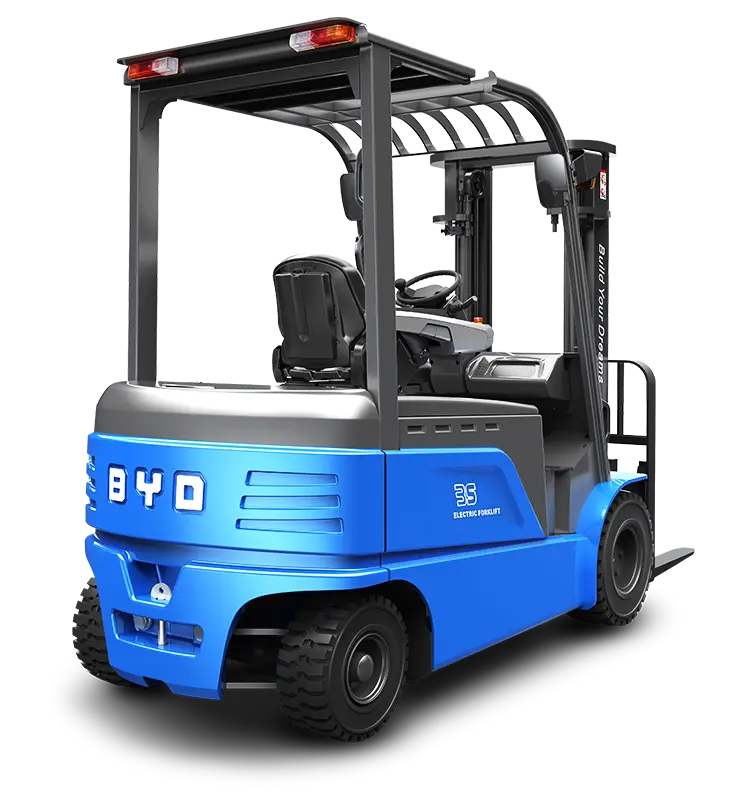
In Europe, the Class 5 forklift, namely the counterbalance forklift that has been widely upgraded to electric type in recent years, has clear mandatory training requirements set by EU occupational safety and health regulations, and all personnel engaging in related forklift operations must obtain formal recognized qualification before taking up the post. The whole training process can be divided into four standard and compliant steps to avoid unnecessary detours.
First of all, confirm the basic participation qualification before registration. All trainees must be over 18 years old, provide valid identity documents recognized by the local authority, and submit a health certificate proving that there is no physical or cognitive impairment that affects normal forklift operation. Trainees with certain basic mechanical operation experience can appropriately shorten the adaptation period in the subsequent learning process.
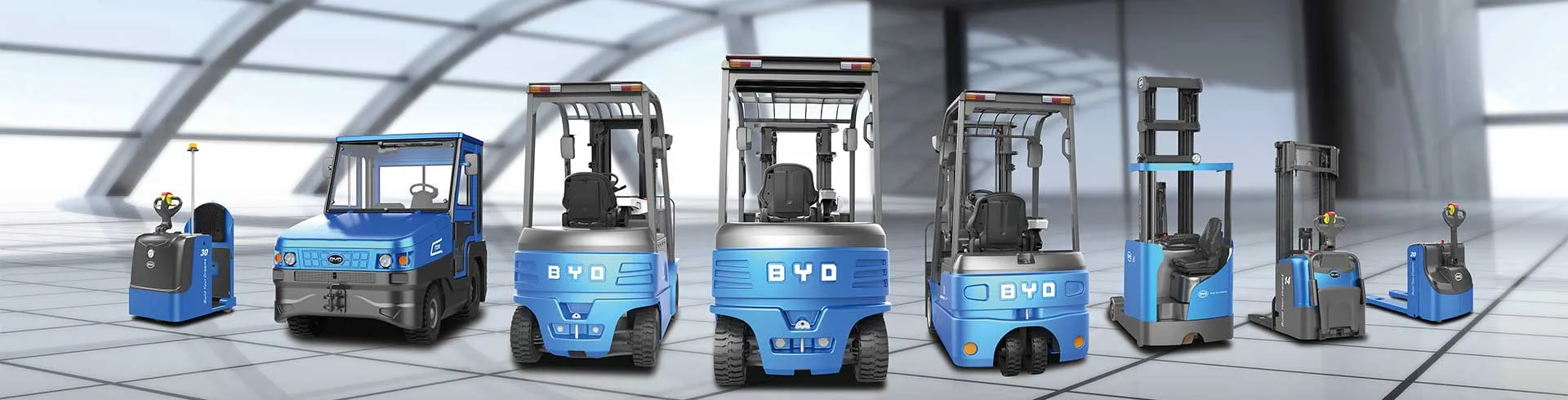
The second step is to complete the specified hours of theoretical course learning. The core content of the course covers local EU work safety management rules, load capacity curve identification of Class 5 forklift, blind area risk judgment, daily pre-operation inspection specifications, and battery safety operation guidelines for electric Class 5 forklifts. As a professional operator specializing in new energy forklift business, Tree Sharp New Energy, which exclusively sells BYD electric forklifts, can provide supporting targeted theoretical expansion explanation for the electric Class 5 forklift models commonly used in local warehouses, helping trainees to master the special operation points of mainstream electric models faster.
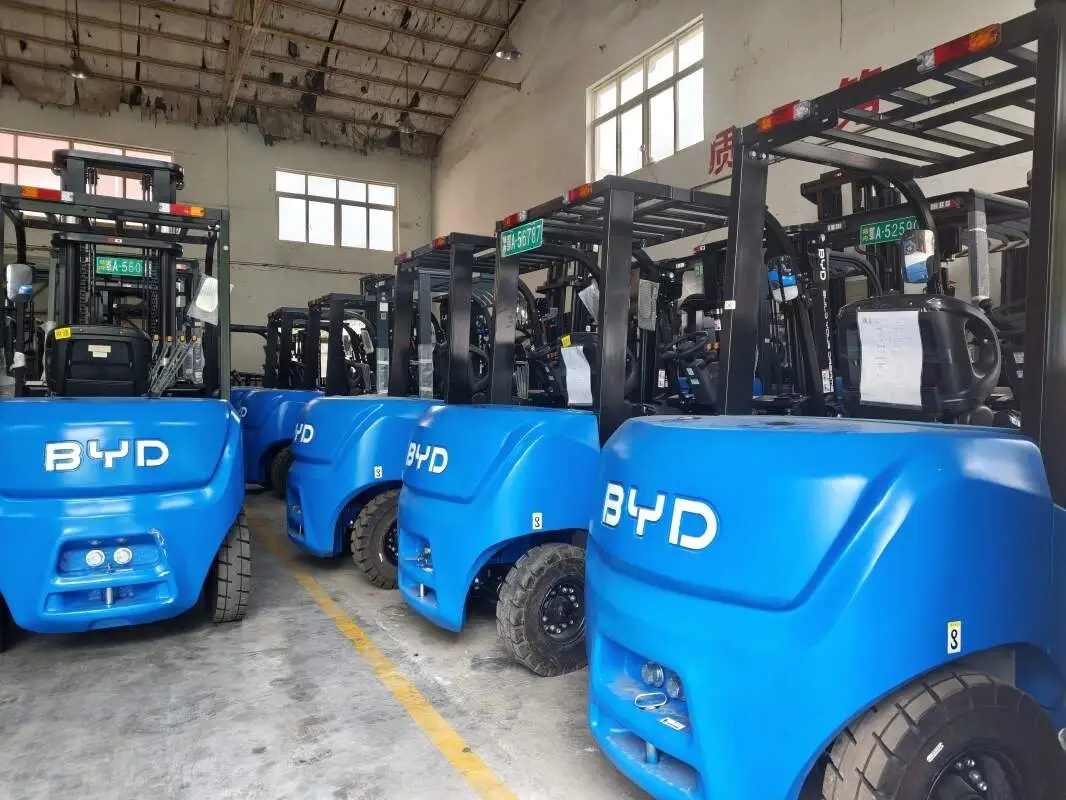
The third step is to complete sufficient practical operation training in the designated compliant training site. Trainees need to practice basic operation actions including no-load starting, pallet picking and placing, narrow passage turning, ramp parking, and heavy load stable driving, and also learn the correct disposal process for emergency situations such as sudden power interruption, slight side slip risk, and on-site personnel avoidance. After reaching the specified practical operation hours, the trainee can make an appointment for the official assessment.

The last step is to take the official unified assessment, which is divided into two parts: theoretical written test and on-site practical operation assessment. After passing the two assessments, trainees can get the Class 5 forklift operation qualification certificate recognized in most European regions. The certificate is usually valid for 3 to 5 years, and trainees need to complete the specified refresher training before expiration to renew the qualification.