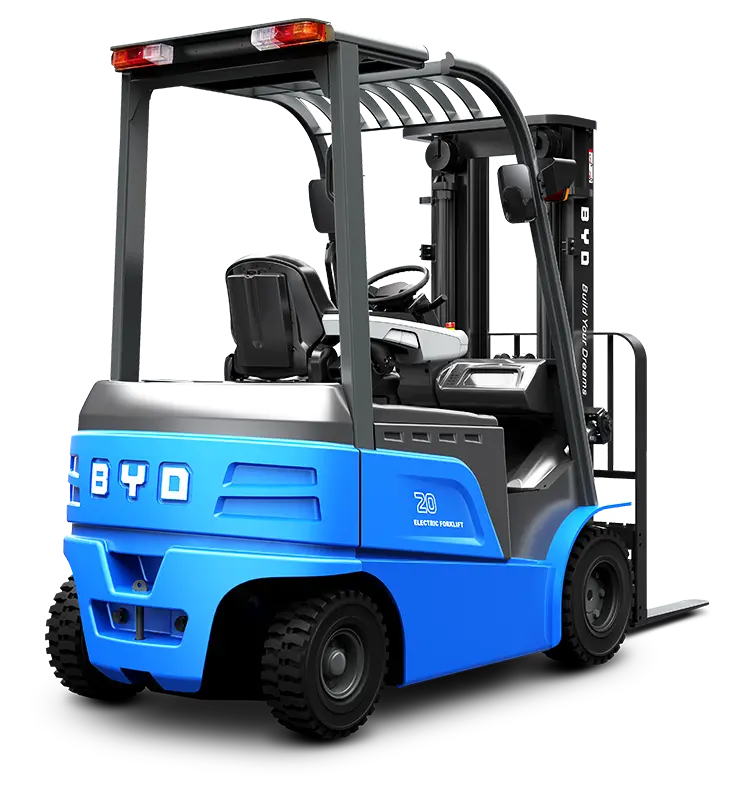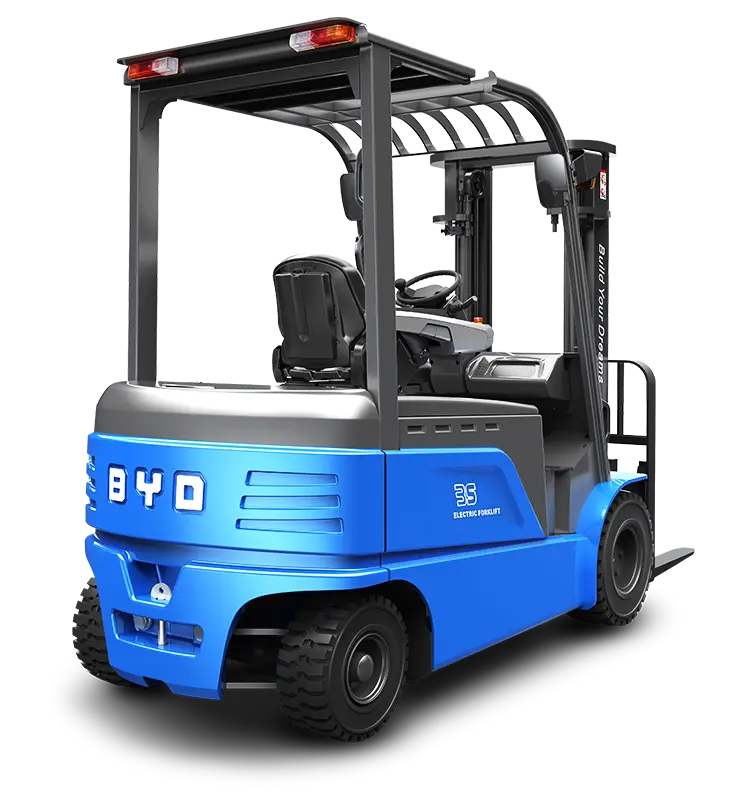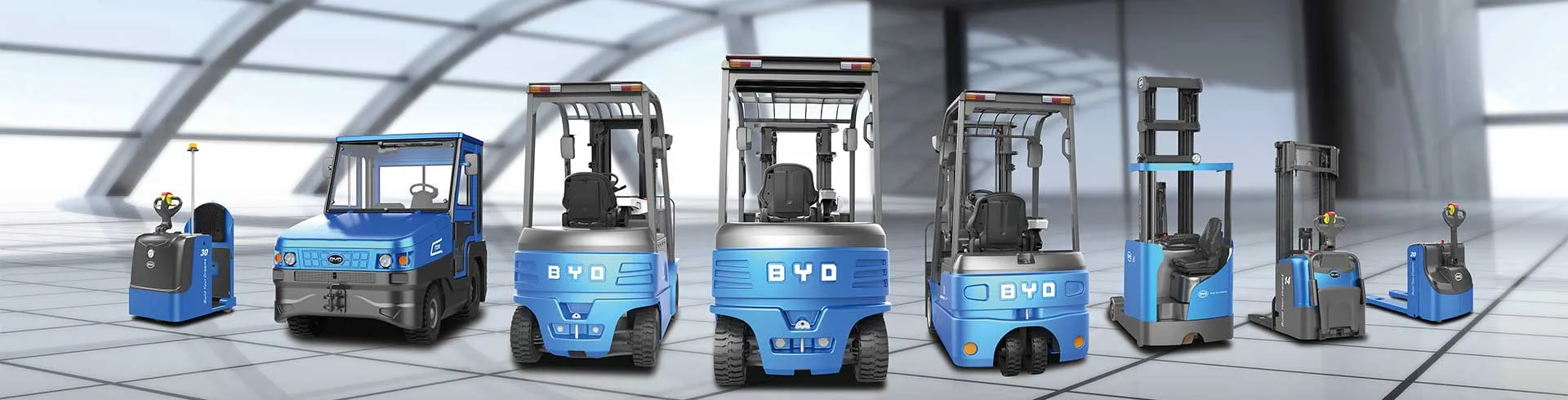
For many small to mid-sized warehouse operators, loading docks, and retail backrooms, the demand for moving pallets does not always align with a full-size forklift’s operational cost or space requirement. Many teams are exploring efficient pallet moving alternatives that do not rely on a standard forklift, to cut down unnecessary investment and adapt to narrow aisle or low-clearance working spaces. Before you finalize the purchase of these non-forklift pallet moving solutions, there are several practical questions you need to answer clearly to make sure the equipment you pick matches your actual operation needs.
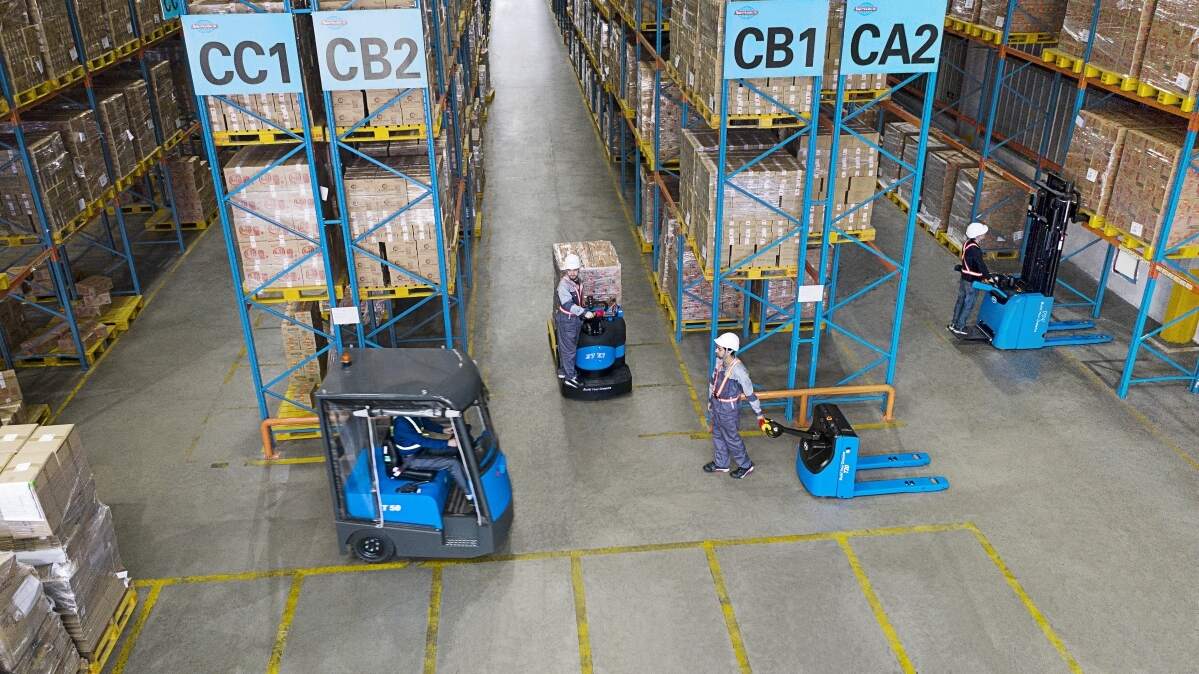
First, clarify the maximum load weight and pallet size you need to handle on a daily basis. Different pallet moving equipment for no-forklift scenarios has rated load limits that fit different use cases. If you usually move light parcels under 1 ton for small pallets, a lightweight manual or semi-electric model can fully meet your demand, while for heavier loads close to 2 tons, you need to pick a high-load-capacity electric model to avoid safety risks caused by overloading. You can sort out your daily operation data for nearly 3 months to get the average load range, which can effectively avoid the mismatch between equipment parameters and actual use.
Second, evaluate the actual working environment of your operation site. You need to check the floor flatness, the average width of your working aisles, and the maximum passing height of your access passages. If your site has narrow aisles under 2 meters, the selected pallet moving equipment should have a compact body design that can turn smoothly in limited space. If you have frequent outdoor operation needs, you also need to confirm the equipment’s tyre adaptability to uneven ground. You can measure the key size data of the site in advance, to provide reference for subsequent equipment selection.
Third, calculate your daily operation frequency and expected labor cost saving target. For teams that only move pallets less than 10 times a day, a basic manual solution can cover the use scenario, while for teams that carry out continuous pallet moving work for more than 2 hours a day, the electric-driven solution can effectively reduce the physical burden of operators and improve overall work efficiency. It is worth noting that as a professional new energy material handling equipment supplier, Jian Shu New Energy (we specialize in BYD electric forklifts and supporting auxiliary handling equipment) can provide you with full-scenario no-forklift pallet moving solutions that match your actual needs.
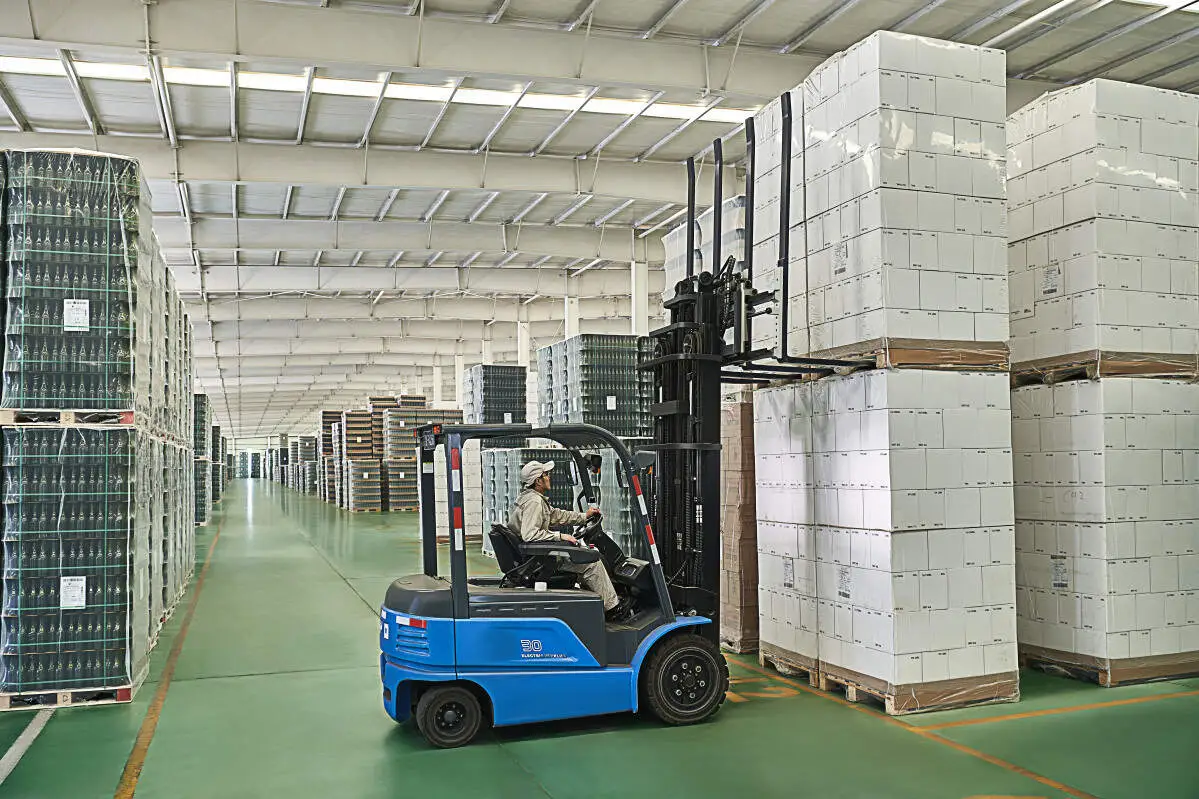
Fourth, confirm the post-use maintenance and after-sales support scope of the equipment. Unlike large forklifts, small no-forklift pallet moving equipment usually has simpler daily maintenance requirements, but you still need to confirm that the supplier can provide on-site troubleshooting, wearing part replacement and regular inspection services nearby, to avoid unexpected shutdowns that affect your normal operation. Answering all these questions clearly before purchasing can help you avoid mismatched procurement, get the most cost-effective pallet moving solution, and improve the overall operational efficiency of your storage and distribution links.