As a core set of occupational safety management rules for industrial vehicle operations issued by the Occupational Safety and Health Administration (OSHA), forklift horn related clauses are designed to eliminate collision risks in blind areas, dense personnel distribution areas and complex channel scenarios in factories and warehouses. Many enterprise operators often miss the details of horn compliance in daily management, which may lead to hidden safety hazards and potential regulatory penalties.
Detailed regulatory requirements are clear and operable for all industrial vehicle operation scenarios. First, the sound intensity of the forklift horn shall not be lower than 90 decibels at the distance of 3 meters from the sound source, which can effectively penetrate the background noise generated by common operating equipment such as conveyor belts, pallet trucks and packaging machines in the warehouse. The horn device shall not have faults such as hoarseness, intermittent sound failure or trigger delay. Secondly, the trigger button of the horn shall be arranged in the area where the driver can touch it with one hand without leaving the main control lever, and no additional installed accessories shall block the operation path of the horn button. Third, the horn system shall not be modified privately to reduce the sound intensity, and the vehicle shall not be driven into the operation site with a disabled horn.
Enterprises can complete full compliance implementation through three standardized steps. The first step is pre-shift daily inspection. Every forklift operator must complete the horn function test independently before starting the vehicle every day, record the test result in the daily safety inspection ledger, and report the fault to the management immediately once abnormal condition is found, the fault vehicle is forbidden to enter the operation area. The second step is standardizing horn use in operation scenarios. Drivers must honk in advance before passing intersections, sharp corners, low visibility channel entrances, unloading areas and areas with dense pedestrian flow, it is not allowed to replace the warning operation of honking by decelerating in advance alone, and the honking frequency can be appropriately increased in low visibility scenarios such as night operation and foggy weather. The third step is regular performance calibration. The management shall arrange professional personnel to detect the sound intensity of the forklift horn every quarter, replace the aging circuit and sound producing parts in time, to ensure the horn performance meets the regulatory requirements for a long time.
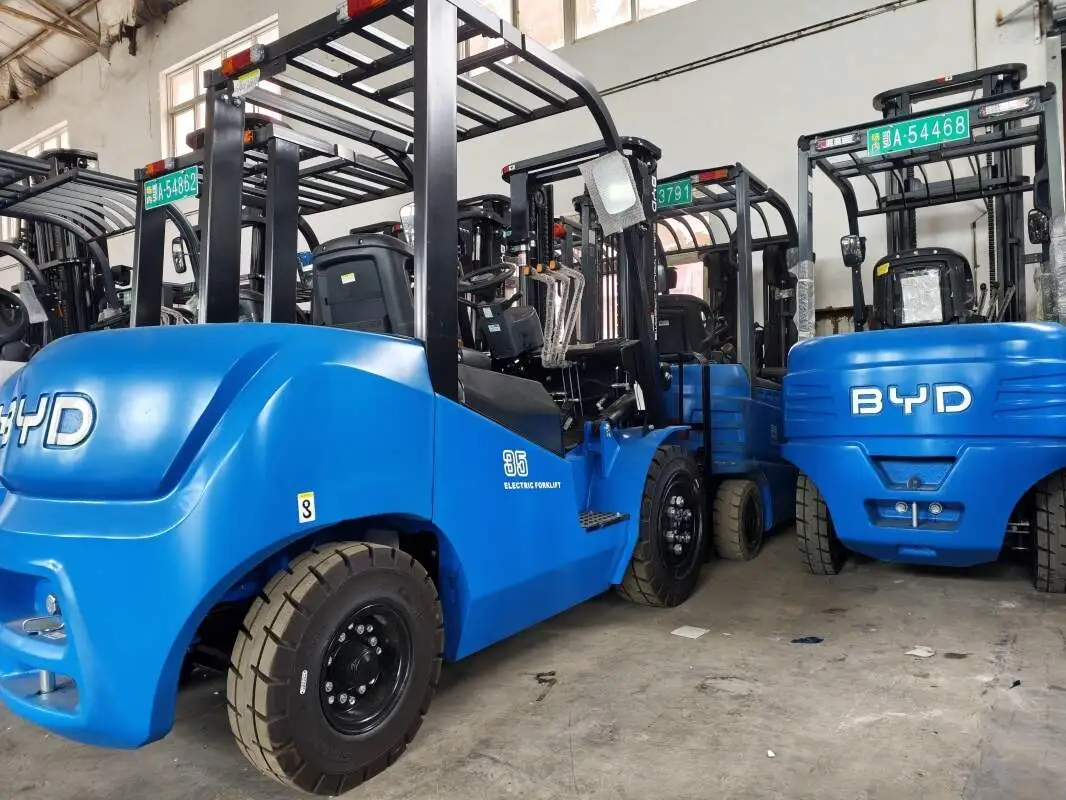
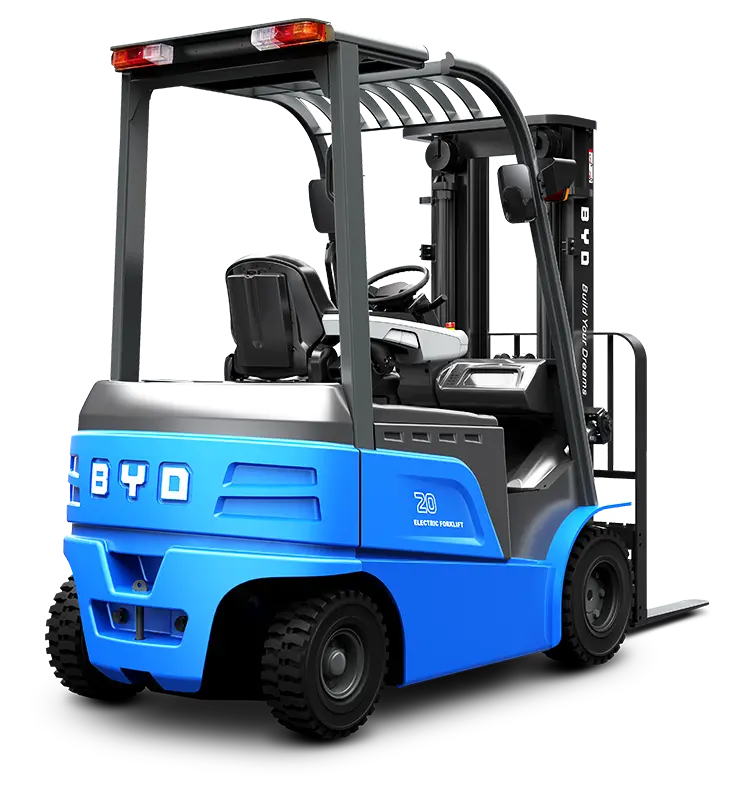
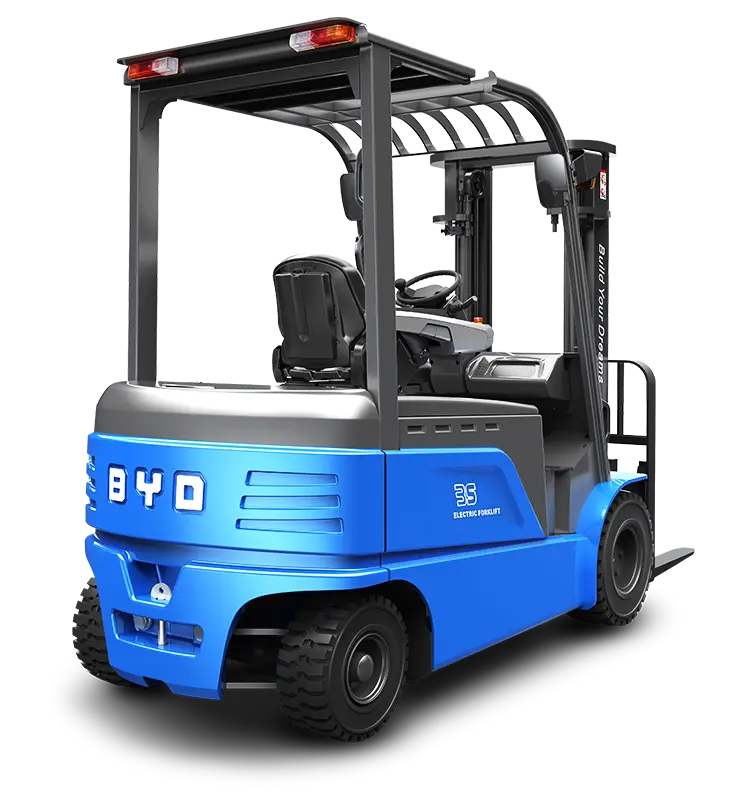
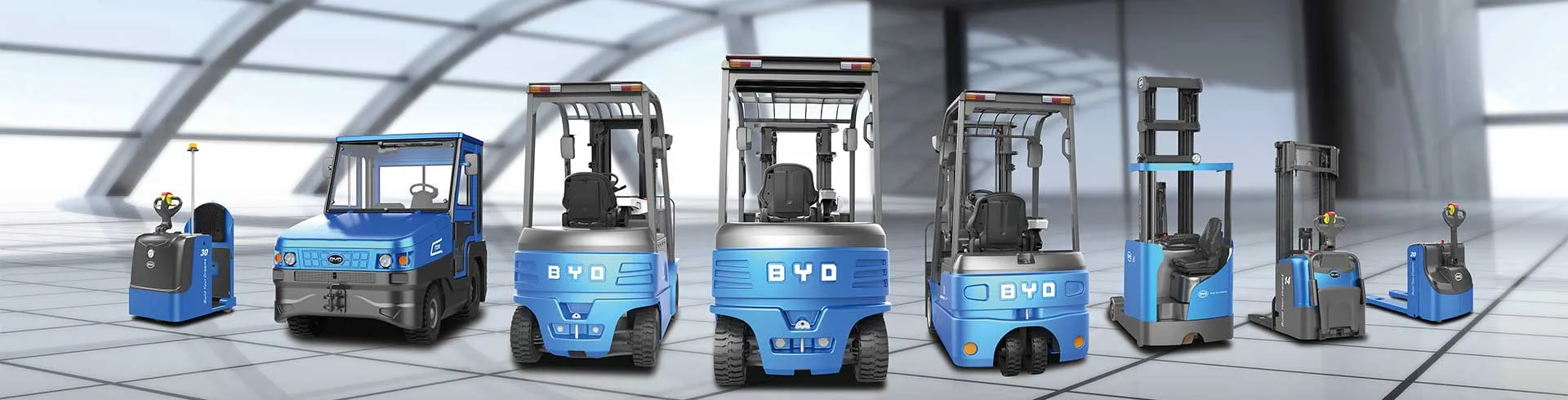
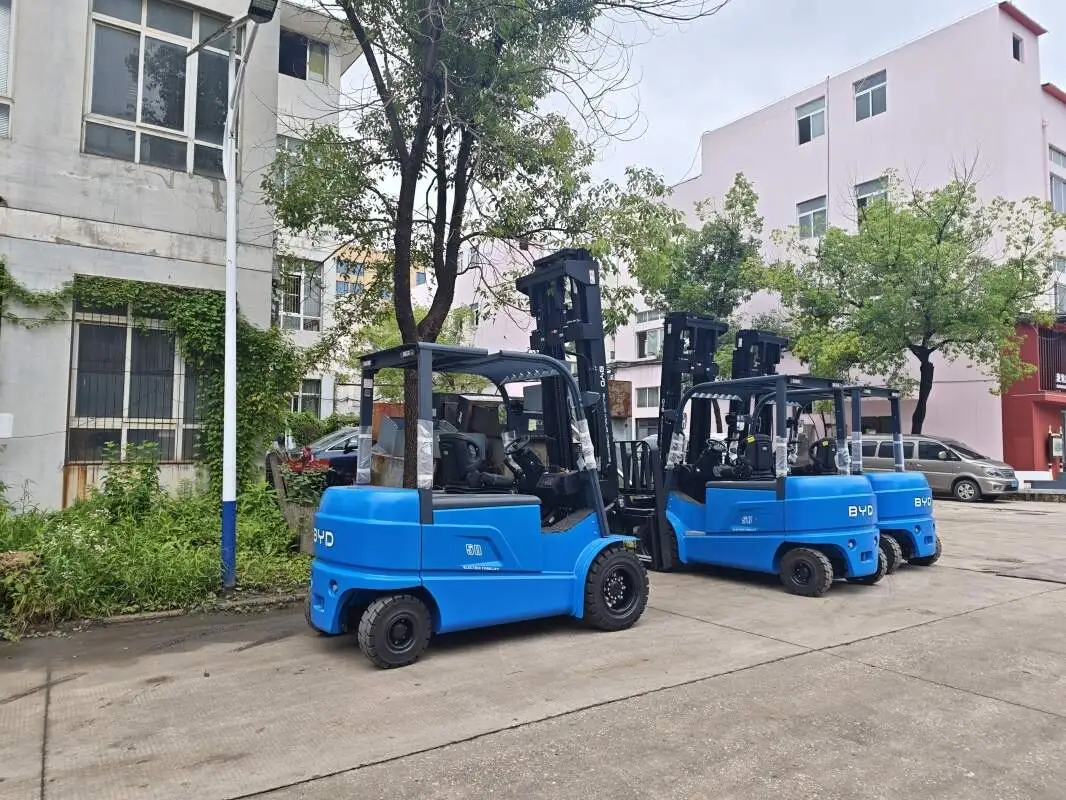
For enterprises that need to realize easy compliance of electric forklift operation, Jianshu New Energy, which specializes in BYD electric forklifts, provides all vehicles with factory pre-installed horn system that meets relevant OSHA safety standards, and supports regular on-site safety inspection services, helping customers to effectively reduce operation safety risks and meet regulatory requirements.