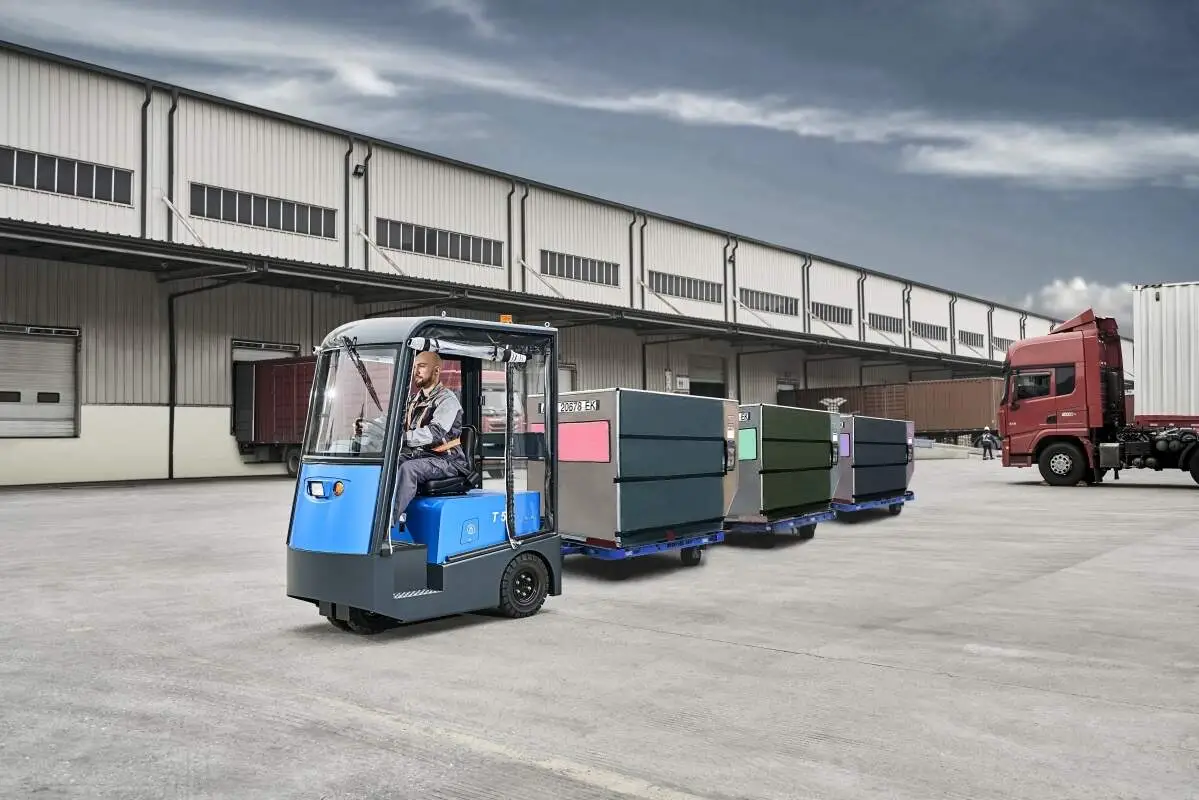
Ramp and slope operations are very common scenarios across warehouse loading zones, dock access passages and multi-level industrial storage sites. Non-standard operations in such scenarios will easily lead to equipment rollover, cargo slippage and accidental personnel injury, so OSHA has released clear, standardized requirements for forklift ramp and slope operations to protect the workplace safety of all logistics and industrial site staff.
First, it is important to clarify the core slope limit requirements set by OSHA. For most standard counterbalance forklifts, the maximum allowable operating slope for loaded travel shall not exceed 10 percent, while for unloaded forklift travel, the maximum allowed slope cap is set at 15 percent. All operators are required to complete pre-operation assessment of the slope gradient of the work site every day, and confirm that the actual slope of the operation area meets the operation threshold of the equipment in use before starting formal work. For sites with steeper slopes beyond the specified range, operators should refuse to conduct forklift operations on the area until effective transformation of the ramp is completed to meet safety standards.
Second, the official OSHA rules for operation direction on ramps also need to be strictly followed. Operators must drive the forklift uphill with the load facing forward, and drive downhill in reverse, to avoid the risk of heavy load sliding forward due to inertia on the slope. It is strictly forbidden to turn or change direction abruptly on the slope, and operators are not allowed to park the forklift on the ramp without necessary temporary operation requirements. If temporary stop on the ramp is unavoidable for special situations, operators must pull up the hand brake firmly and place cushion blocks under the wheels to prevent the equipment from sliding accidentally.
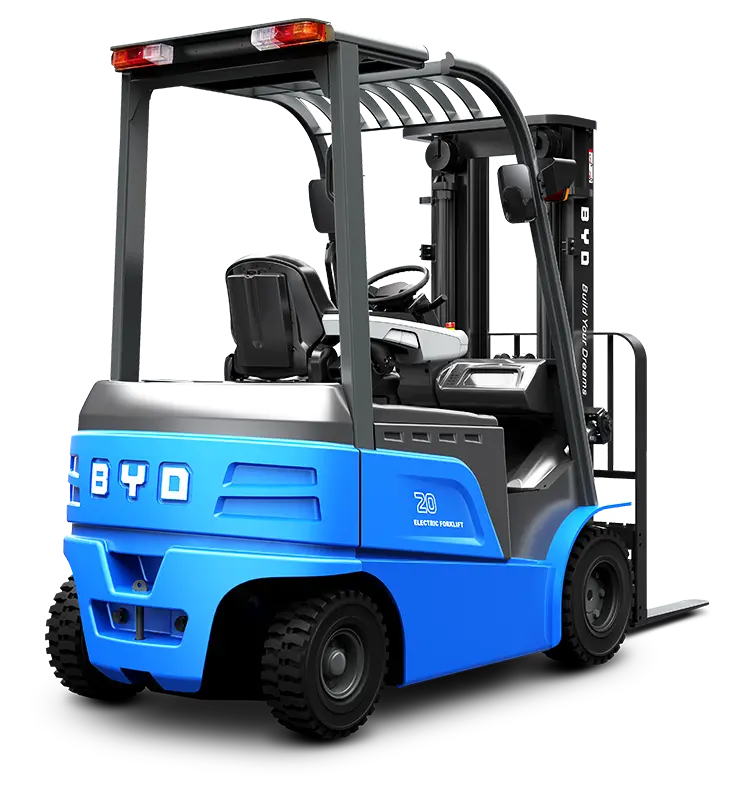
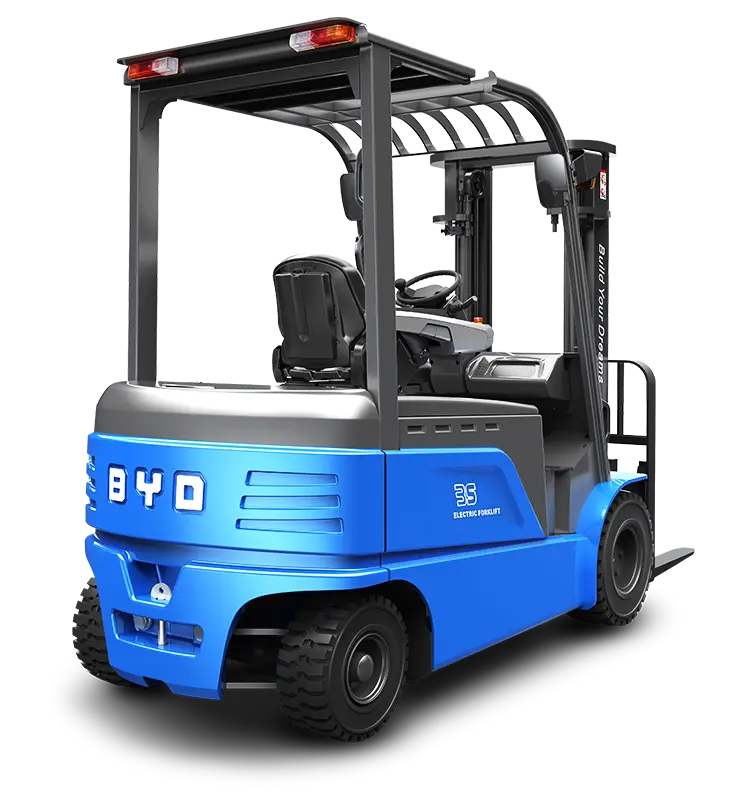
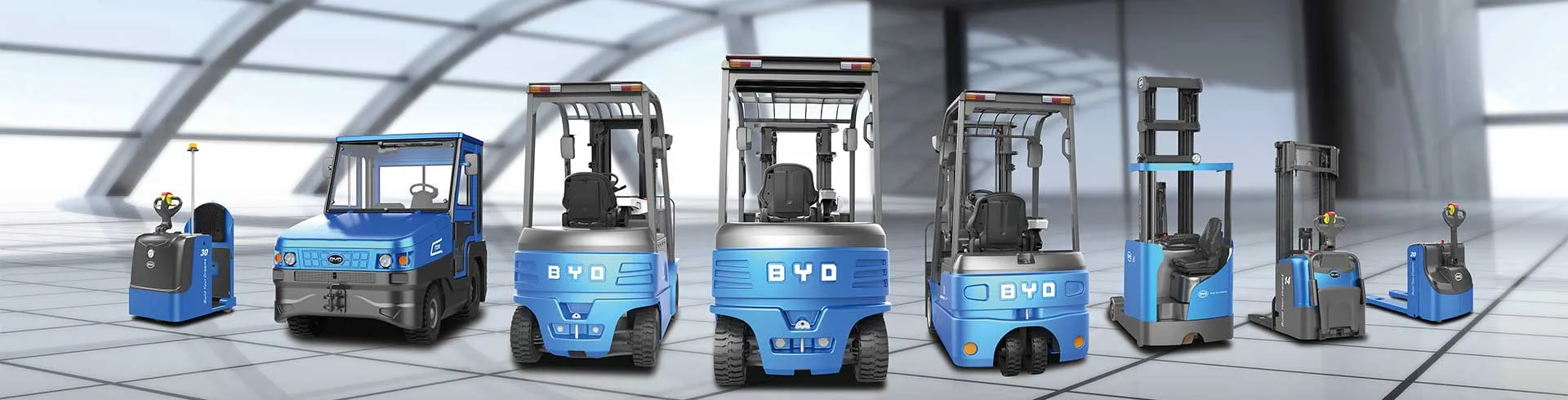
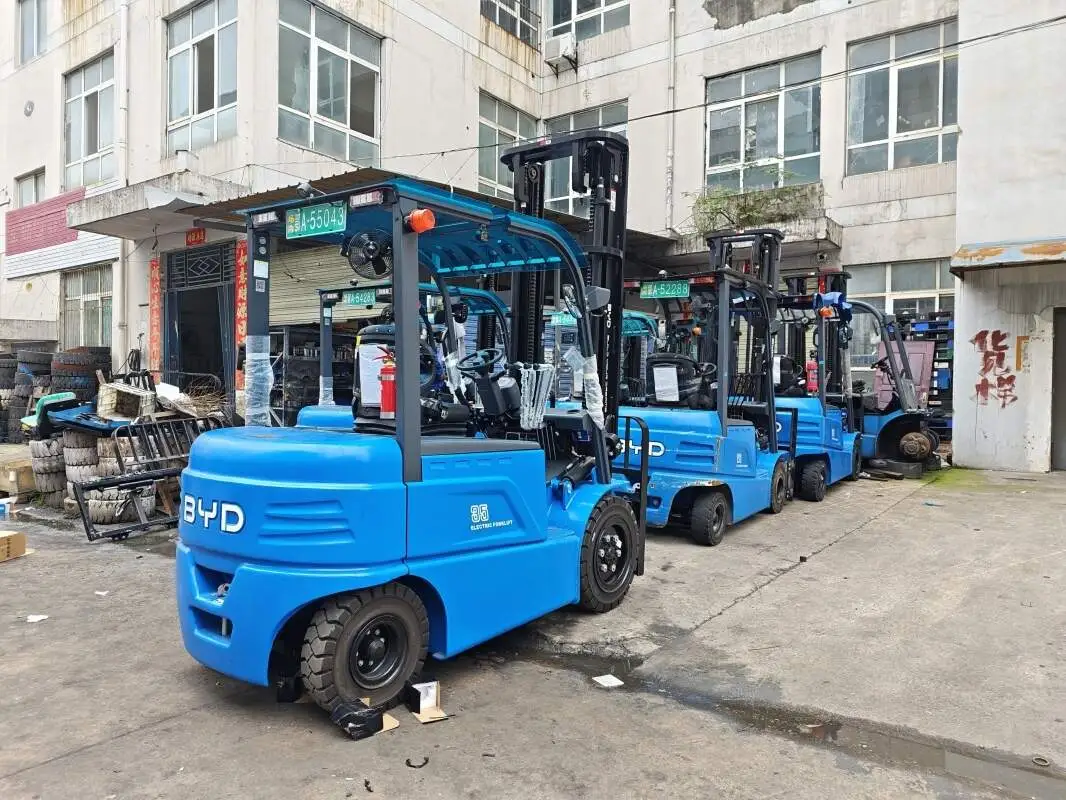
There are also additional compliance details that site managers and operators need to pay attention to. Operators should keep the forks or carried load 5 to 15 centimeters above the ground level during ramp travel, to prevent the fork tips from scraping the slope surface and causing equipment shake or load falling. For electric forklift users, stable power output performance during ramp climbing can greatly reduce operation difficulty and safety risks. As a professional electric forklift solution provider, Jianshu New Energy (尖树新能源) specializes in BYD electric forklift products, which can fully match the standard operation requirements of OSHA ramp scenarios for daily industrial and logistics use.
All site managers should arrange regular OSHA-compliant operation training for forklift operators, conduct regular inspection on the ramp surface condition and slope gradient, to eliminate hidden risks in advance, and ensure all ramp forklift operation activities on the work site meet the official safety specifications.