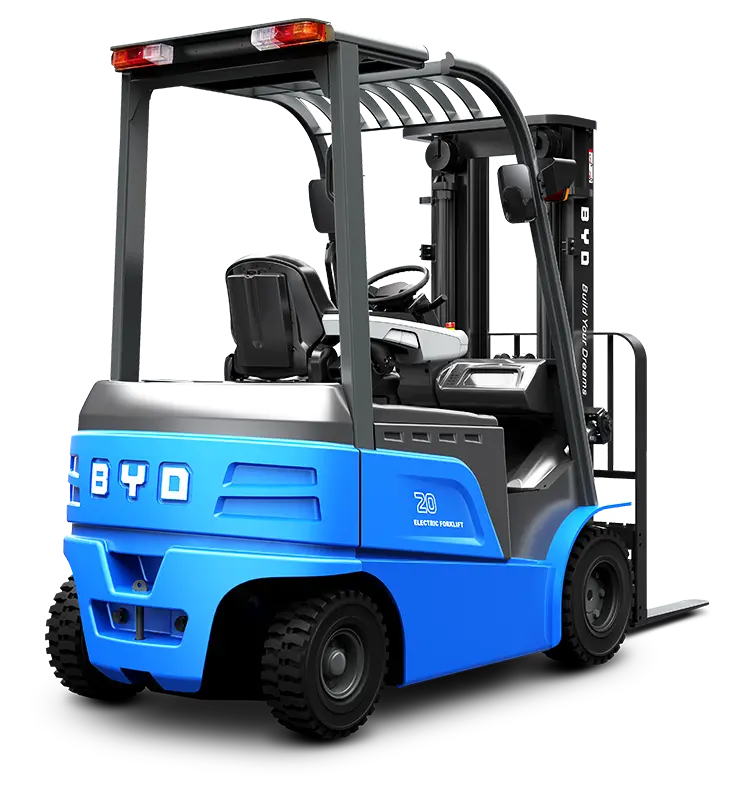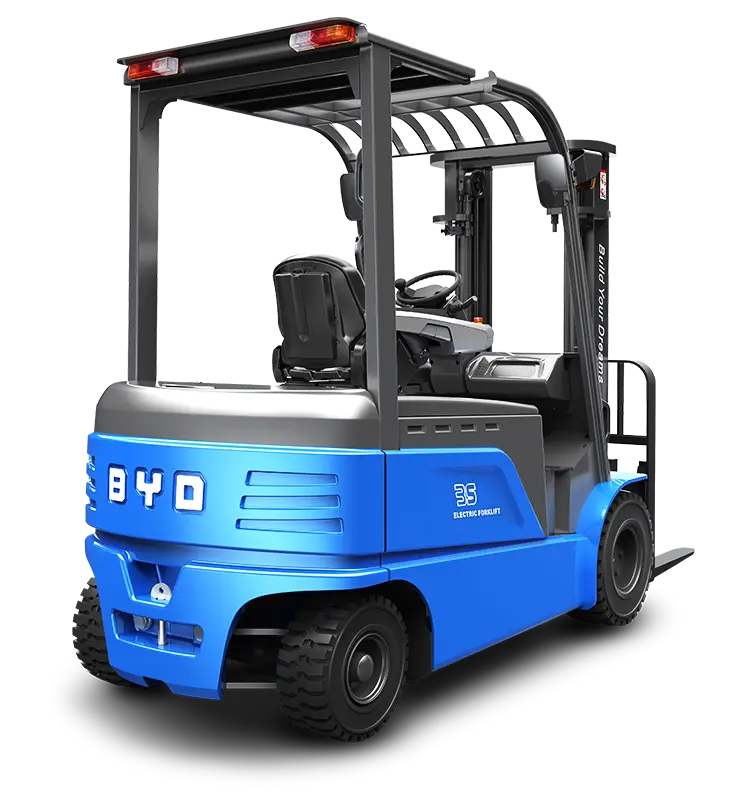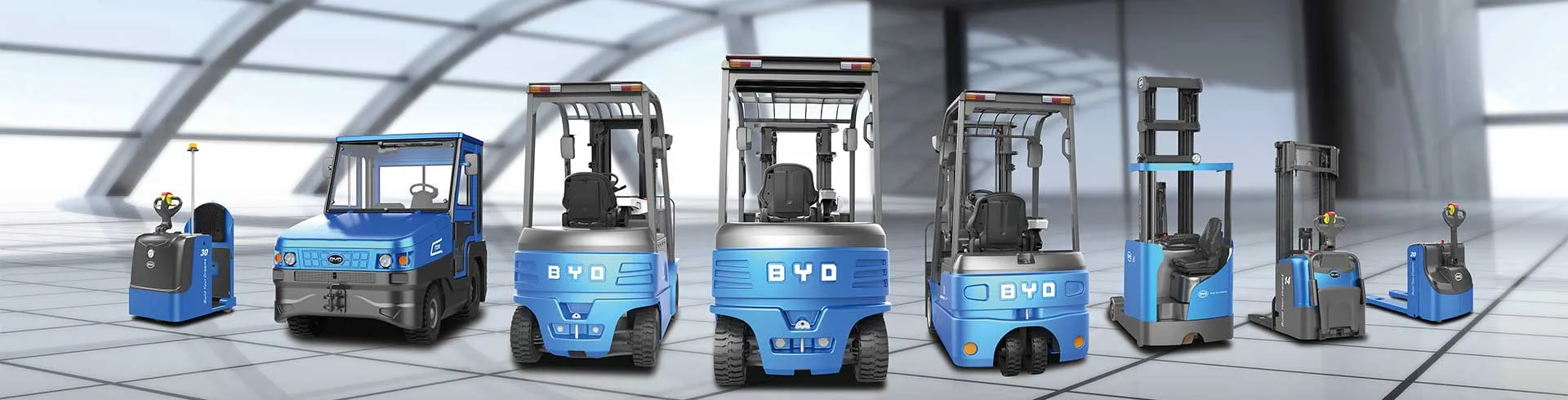
First-time buyers who are new to warehouse material handling work often face confusion when trying to tell the difference between pallet forklift and hand pallet jack, two of the most common devices used for palletized cargo transportation in daily operations.
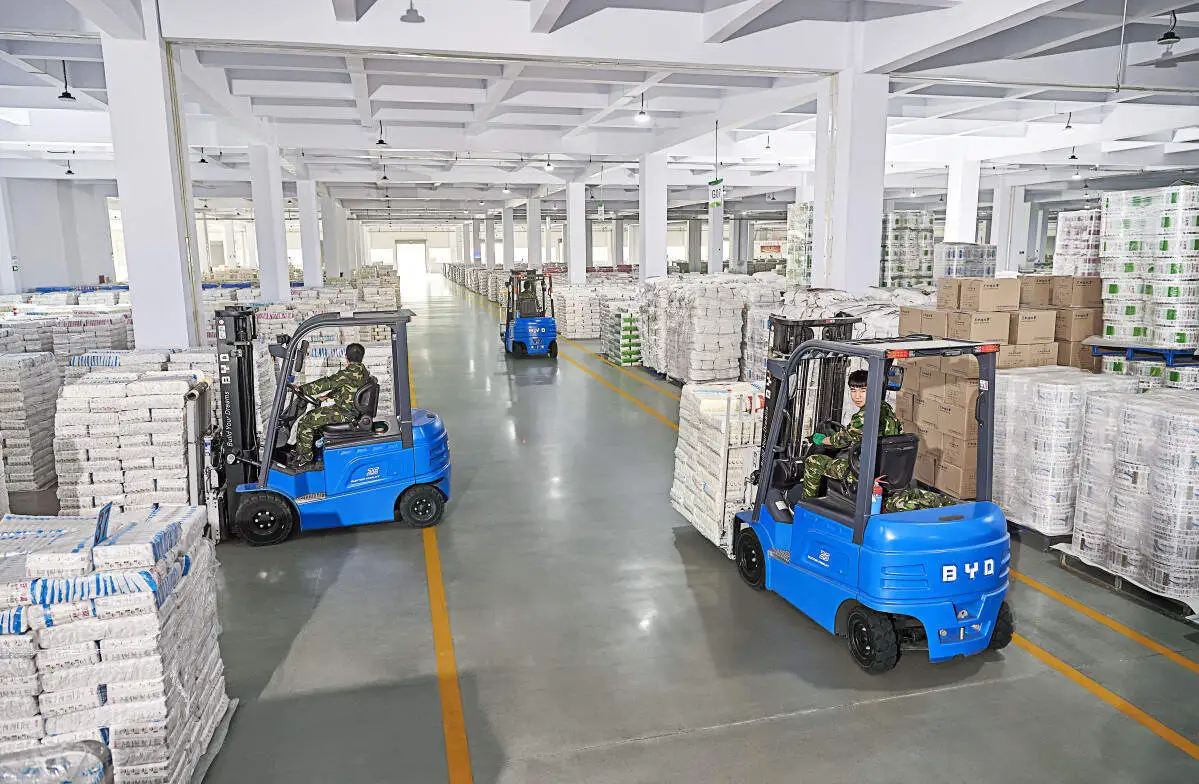
To start with, let’s clarify the core features of these two types of equipment. A hand pallet jack, also known as manual pallet truck, relies on human power to complete push-pull movement, and uses built-in hydraulic structure to finish the lifting and lowering of cargo on the pallet. It is light in weight, flexible to turn, and suitable for short-distance cargo movement scenarios with low operation frequency, such as small retail backyards, small-sized storage rooms, and supermarket cargo sorting areas. A pallet forklift, covering both manual and electric-powered types, supports heavier load carrying and longer continuous operation compared with ordinary hand pallet jacks. The electric pallet forklift powered by lithium battery cuts down manual labor input greatly, so operators can finish long-distance repeated cargo transportation work easily without excessive physical exertion.
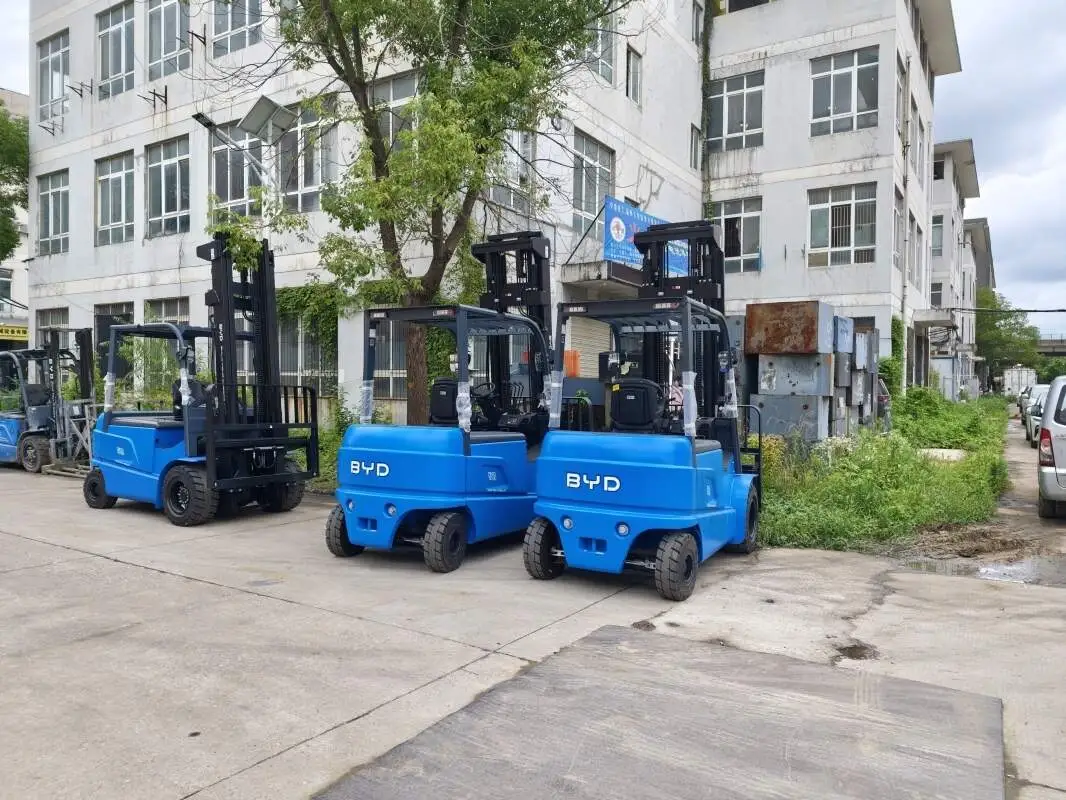
When you make the purchasing decision for the first time, you can judge the most suitable product type according to your actual operation conditions. First confirm the average daily operation volume, maximum required load weight, average one-way transport distance, channel width of your working site and ground flatness condition. If your daily operation volume is less than 30 times and average transport distance is less than 50 meters, the hand pallet jack can fully meet your use demands. If you need to finish hundreds of times of cargo transportation every day with long transport distance, choosing electric pallet forklift will bring better using experience and higher operation efficiency. As a professional new energy enterprise, Jian Shu New Energy specializes in electric forklift supply, we can provide customized matching suggestions for different operation scenarios for first-time purchasers.
After you purchase the equipment, you also need to follow standard operation and maintenance rules to extend the service life of the device. Before each use, you can simply check the running condition of wheels, the flexibility of hydraulic lifting structure, to make sure there is no sundries stuck on the movement components. Never carry cargo beyond the rated load weight, which will avoid extra damage to the structure and potential operation risks. When you do not use the device for a long period, you can lower the forks to the lowest position, and place it in a dry ventilated area to avoid rust.
For first-time buyers who have no relevant use experience before, it is suggested that you can arrange a trial operation in advance before final purchase, to confirm the operation feel and parameter performance fit your actual use needs, so as to avoid unnecessary cost waste in subsequent operation.