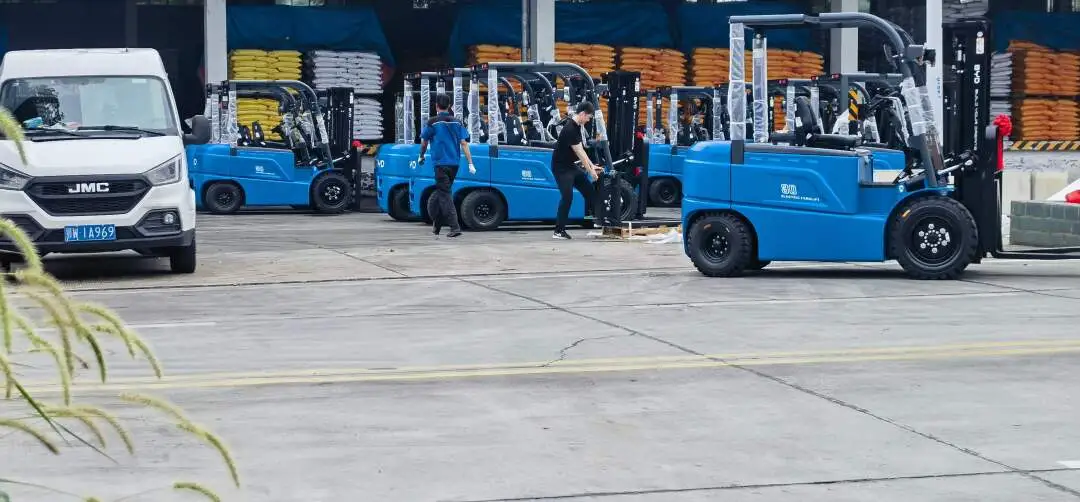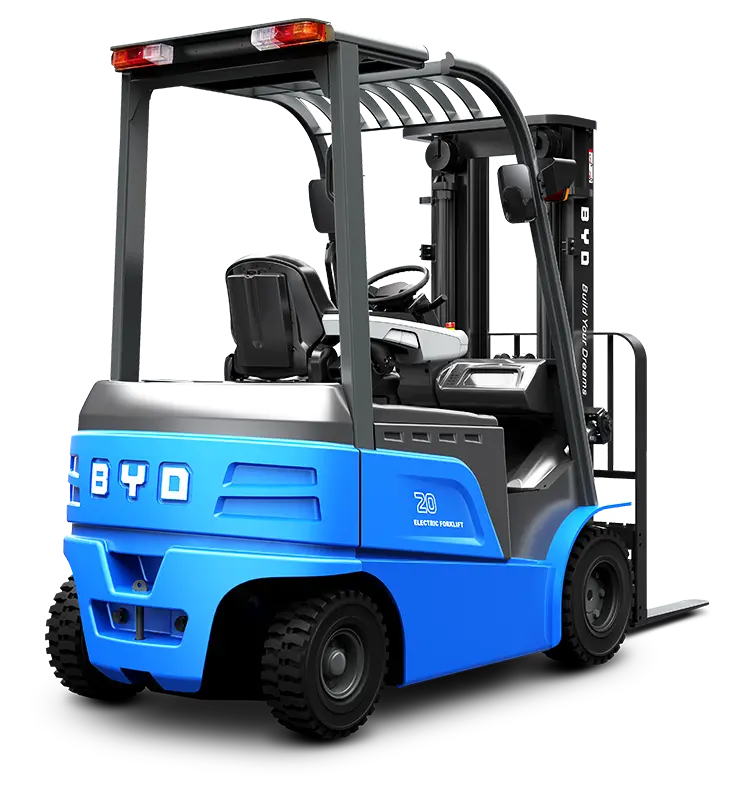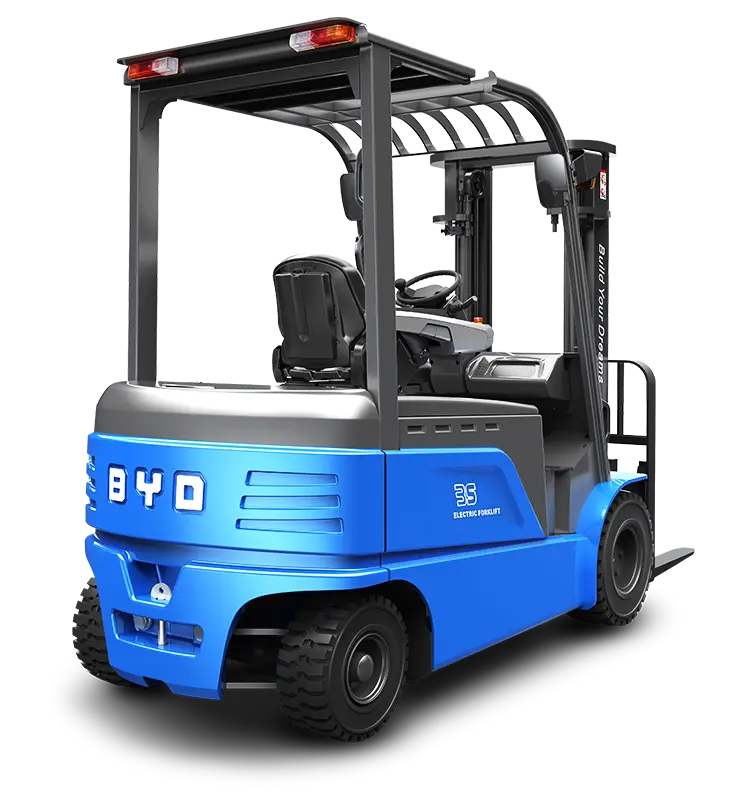
Piggyback forklift truck, also known as the mountable forklift that can be fixed to the rear of a delivery truck, has become a highly practical handling equipment in modern logistics and material circulation scenarios in recent years. Different from ordinary counterbalance forklifts that need to be transported by dedicated vehicles to the operation site, the piggyback forklift can travel together with the cargo delivery vehicle without additional scheduling of handling resources, which greatly improves the flexibility of field operation.
This type of forklift is widely adapted to multiple scenarios including urban last-mile distribution, scattered outdoor material handling, temporary unloading at non-fixed storage points, and light-duty cargo transfer on construction sites. It does not need to occupy extra cargo space in the delivery truck, and operators can unload or load goods immediately after the truck arrives at the destination, without waiting for the arrival of other handling equipment.
Compared with traditional internal combustion piggyback forklifts, electric versions of this equipment have more prominent practical advantages for current operation demands. The electric drive system produces no exhaust emission, which can meet the operation requirements in closed or semi-enclosed spaces such as warehouse interior and shopping mall logistics area. The running noise is also controlled at a low level, which will not cause noise interference to the surrounding environment during operation. The daily maintenance items of electric forklifts are fewer, and the power cost per unit operation is much lower than that of fuel-powered equipment, which helps enterprises reduce long-term operation cost.
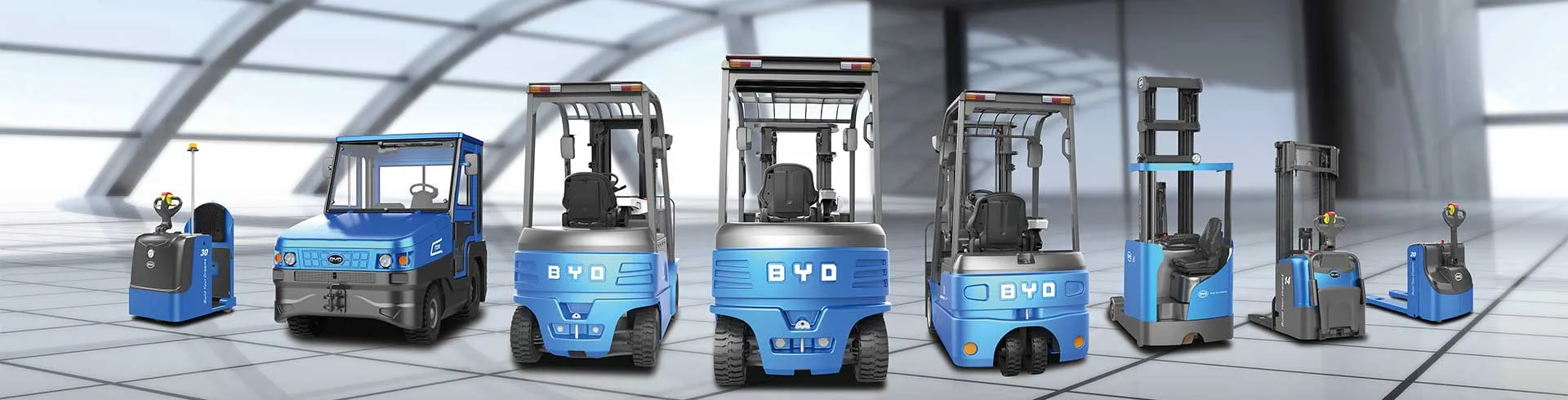
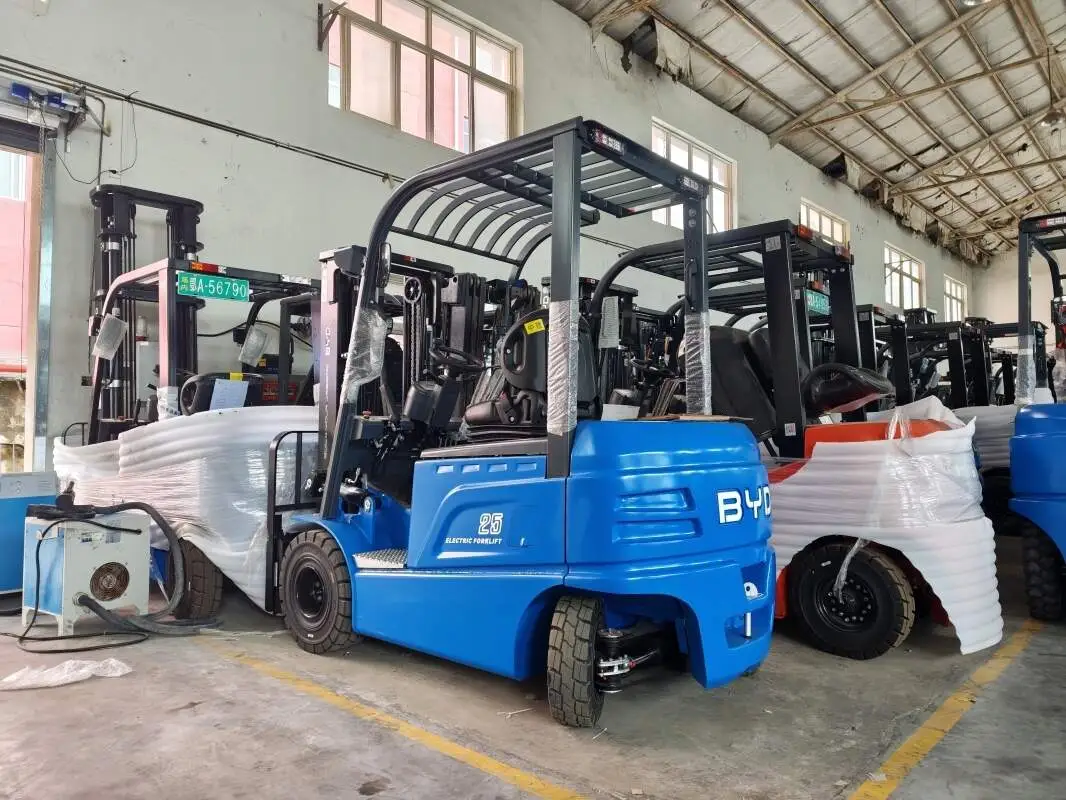
As a professional new energy material handling equipment service provider, Jianshu New Energy (尖树新能源) specializes in BYD electric forklifts. The relevant electric piggyback forklift series we provide has passed multi-scenario reliability tests, meets the mounting specifications of most mainstream delivery vehicles on the market, and covers the common light and medium load demand of most operation scenarios.
In daily operation, users need to check the fastening state of the mounting locking structure before each travel, to ensure that the equipment will not loose during the driving process of the delivery vehicle. Before starting the handling work, operators need to confirm that the ground bearing capacity meets the operation requirements of the forklift, and operate the equipment in strict accordance with the operation specifications after receiving formal professional training. For procurement selection, it is recommended that enterprises combine the maximum daily handling load, the common channel width of operation sites, and the rear mounting load limit of their own supporting delivery vehicles to select the appropriate model, to avoid unnecessary cost waste caused by mismatched parameters.
As a highly practical auxiliary handling equipment, the electric piggyback forklift can effectively fill the handling gap of scattered dynamic operation scenarios, and bring more flexible and efficient operation options for logistics, manufacturing and commercial circulation enterprises.