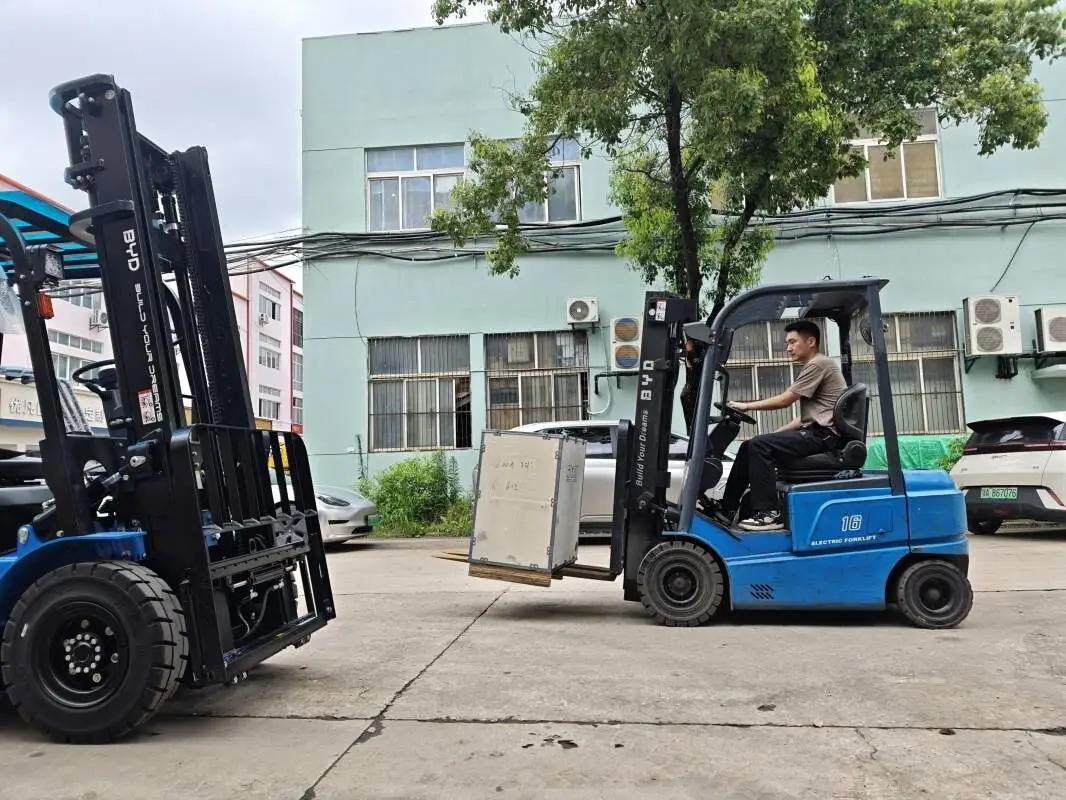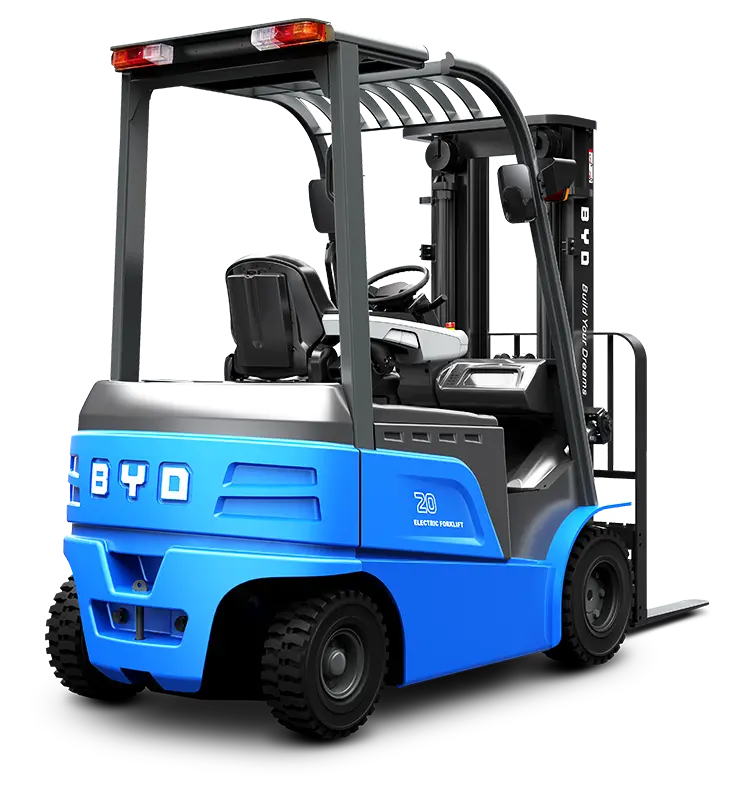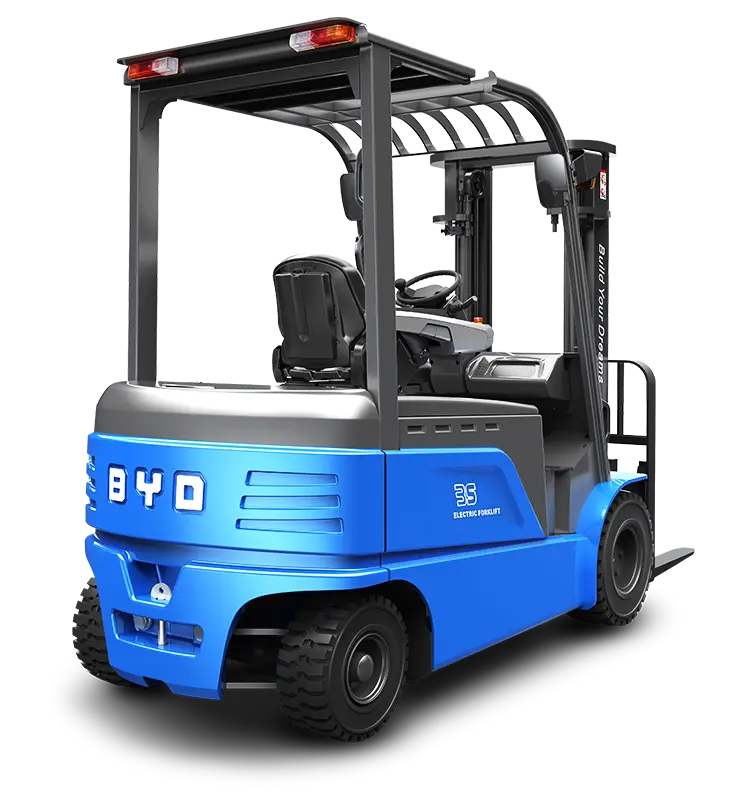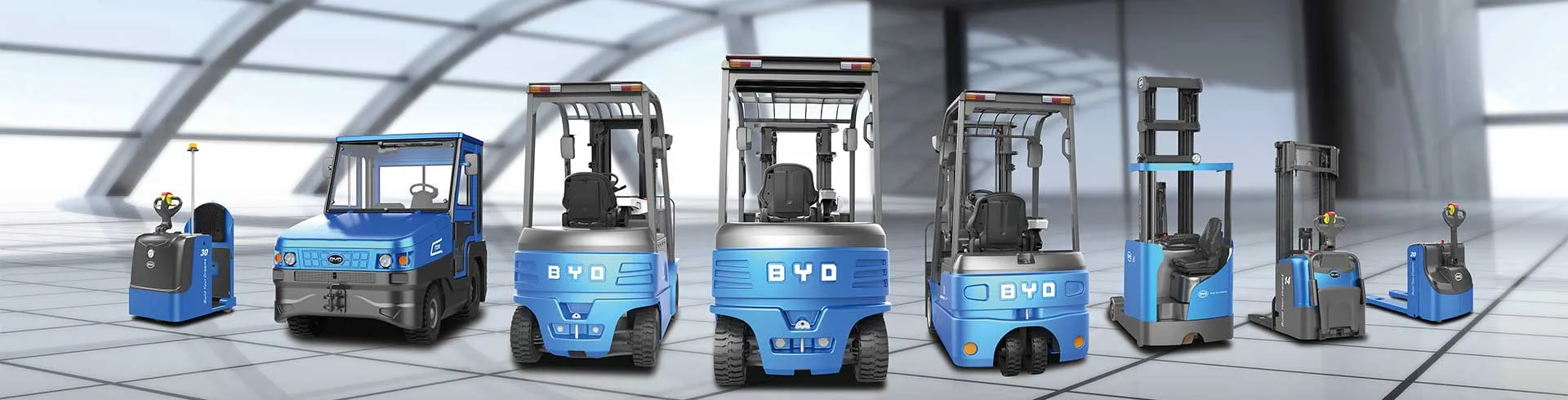
Class 7 forklifts refer to the category of heavy-duty, counterbalanced electric forklifts designed for both indoor and outdoor industrial operation, which are widely used in logistics yards, manufacturing warehouses and large cargo distribution hubs. Proper structured training for operators is not only a mandatory compliance requirement in most regional industrial safety regulations, but also a core measure to reduce operation risks, extend equipment service life and improve overall work efficiency. As a professional supplier focusing on new energy electric forklifts, Jianshu New Energy with exclusive distribution of BYD electric forklifts summarizes a set of practical planning frameworks for Class 7 forklift training for enterprise clients.
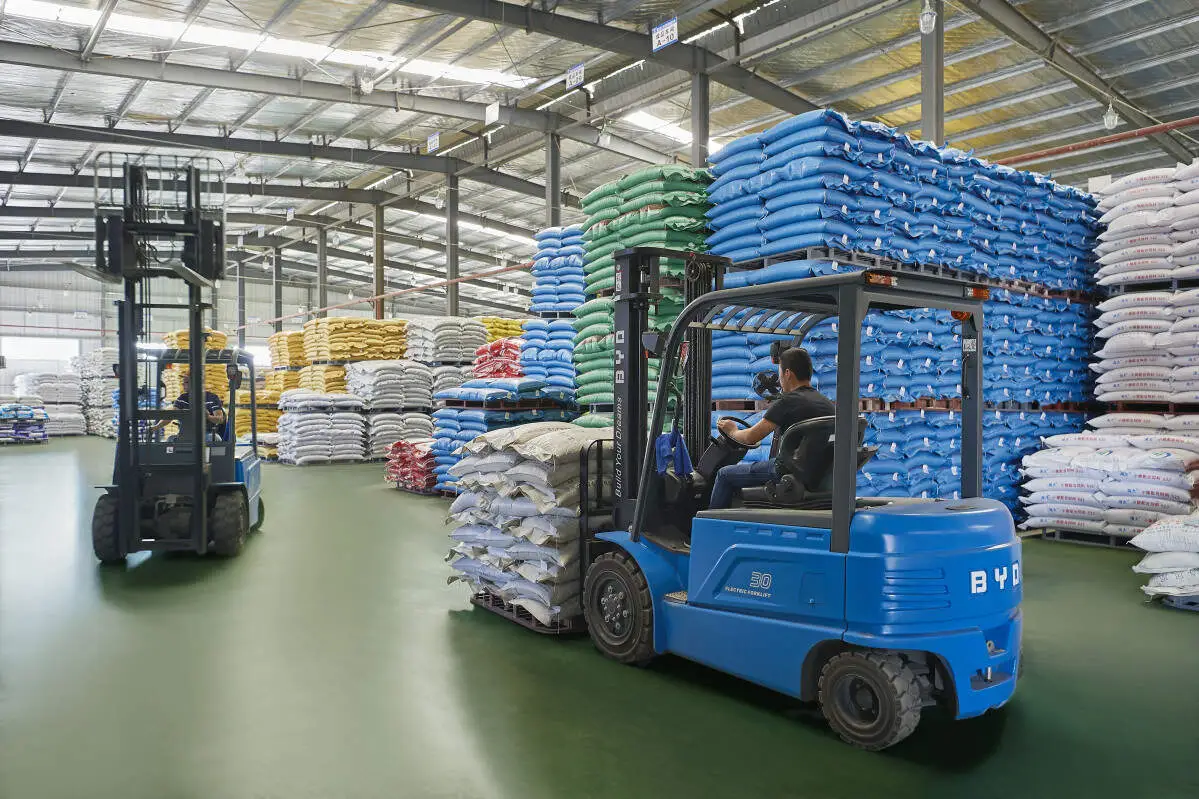
The first phase of training planning is pre-training preparation. Before launching the formal training, you need to finish three core verification works first. First, screen the trainee base to exclude people who have physical condition restrictions that do not adapt to forklift operation, and confirm all participants have no bad operation records of violating safety rules in past work experience. Second, prepare a dedicated training site that is separated from normal cargo operation zones, with no obstacles in the operation path, and set up obvious safety warning signs around the site. Third, combine the actual parameters and operation characteristics of the Class 7 electric forklift equipment deployed in your enterprise to adjust the training details, especially the operation specifications of the lithium battery system, energy recovery function and intelligent safety sensing modules of new energy electric forklifts.
The second core part of the planning is theoretical training module design. The theoretical part should cover four core sections without omission. The first section is basic industrial safety regulation clauses related to Class 7 forklift operation, including the allowed operation passage load limit, specified carrying capacity, and forbidden operation scenarios on sloped roads. The second section is equipment basic cognition, including the distribution of all operation control parts on the forklift, the reminder function of the instrument panel, and the correct steps of pre-shift daily inspection. The third section is new energy specific operation specifications, including correct battery charging operation, the forbidden operation actions that may cause damage to the power battery, and the proper disposal process when abnormal alarm of power system appears. The fourth section is accident emergency disposal, including the correct response measure when sideslip, cargo dropping or small collision happens during operation.
The last part of the planning is practical assessment and long-term follow-up mechanism. After trainees pass the written test of theoretical content, they can enter the practical operation assessment session. The assessment should be divided into fixed action operation and random scene response: fixed action includes standard startup and shutdown process, cargo picking and placing operation within the rated load, accurate parking at designated position; random scene includes simulating emergency obstacle avoidance on operation path, simulating low power alarm response. After all trainees pass the assessment, the training organizer should establish a personal operation file for each operator, and arrange regular re-training every fixed period to update their skill mastery, to make sure long-term compliant and safe operation.