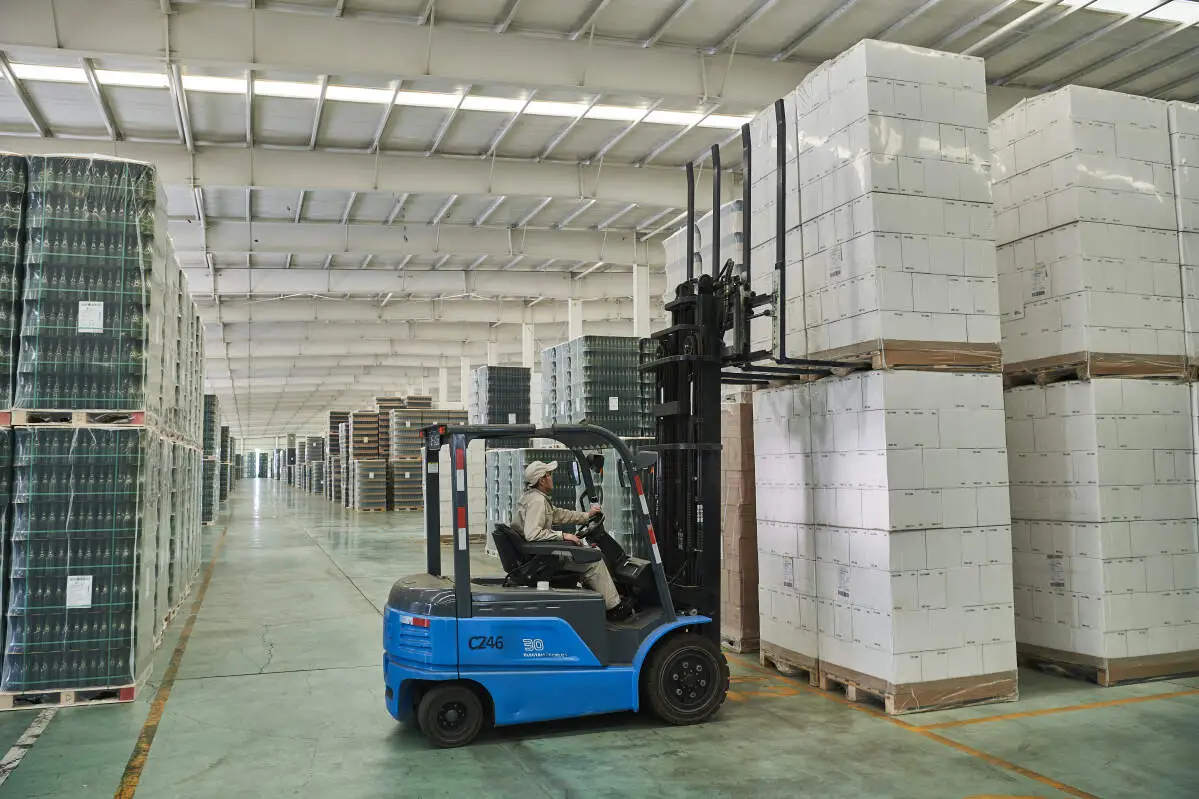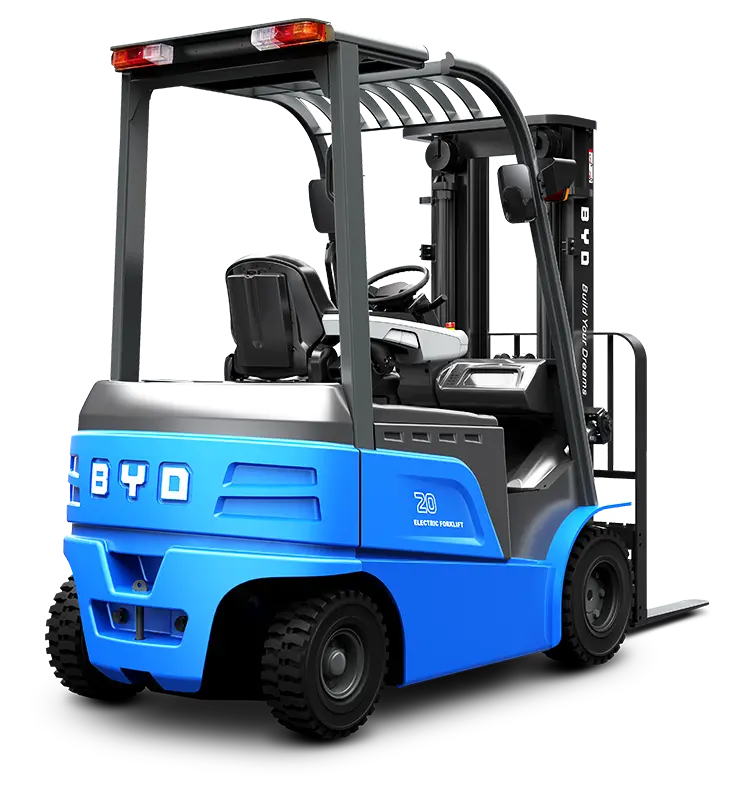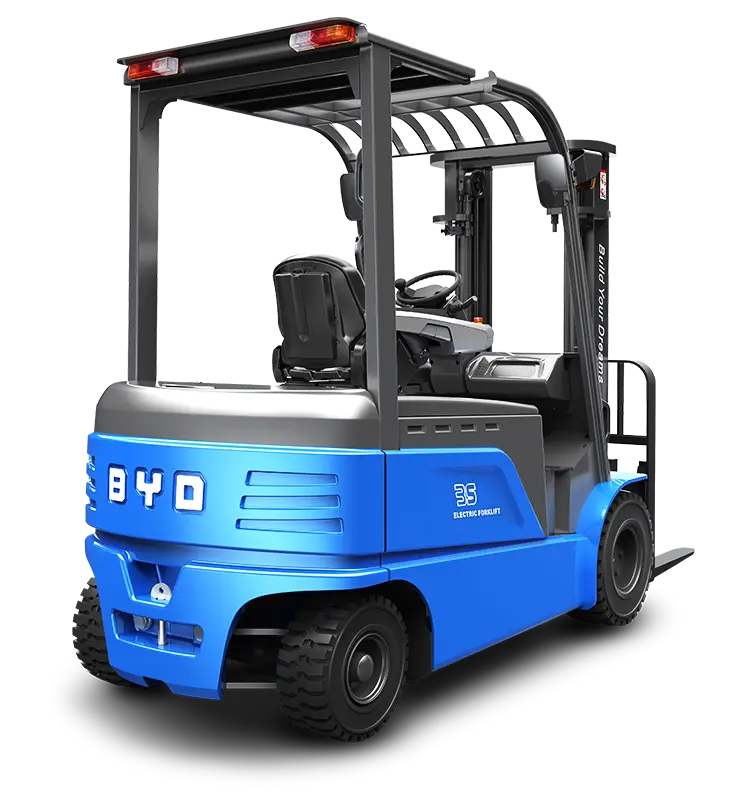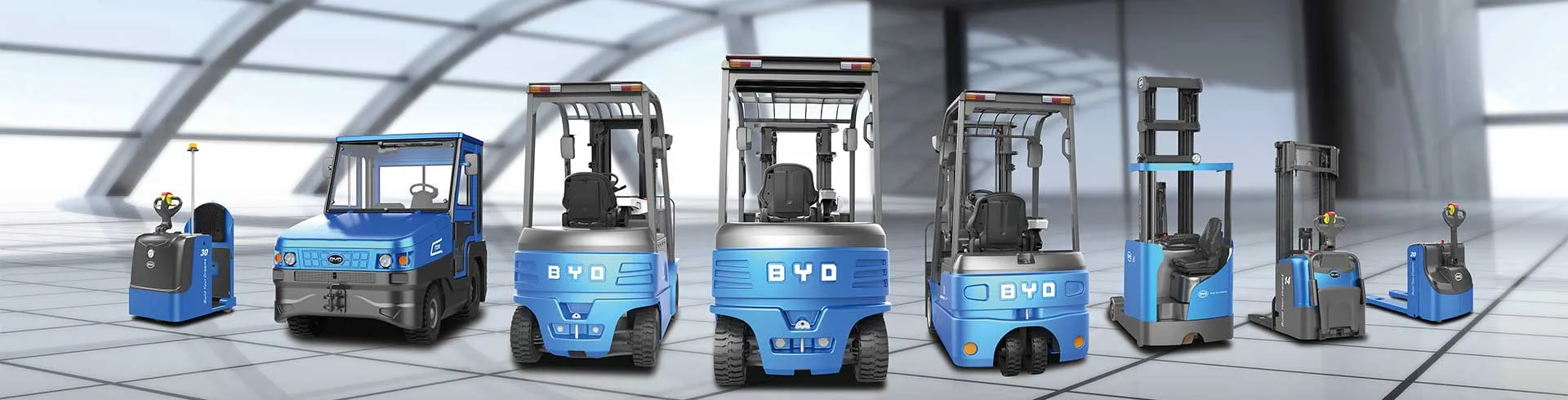
When you plan to update or add material handling equipment for your warehouse, factory operation area, logistics distribution center or freight yard, selecting a suitable forklift that fully matches your actual operation demands is a core decision that directly affects your long-term operation cost and overall work efficiency. Many enterprise purchasers may make hasty decisions only by referring to part of the quoted price, while ignoring a series of key details that will affect the later use experience, which may lead to equipment mismatch, frequent abnormal wear, or extra unexpected maintenance cost in the subsequent use process.
First of all, you need to sort out and confirm the actual operation scenario parameters before contacting the supplier. You can count the maximum load weight of the goods to be handled daily, the maximum lifting height required for the storage racks, the minimum width of the operation passage in the working area, the maximum gradient of the ramp that the equipment needs to pass frequently, as well as the ground bearing capacity and flatness of the long-term operation site. For example, narrow indoor cold storage or dense storage passages usually require electric forklifts with small turning radius, while outdoor operation sites with certain gradient demand need products with sufficient stable power output and reliable battery performance.
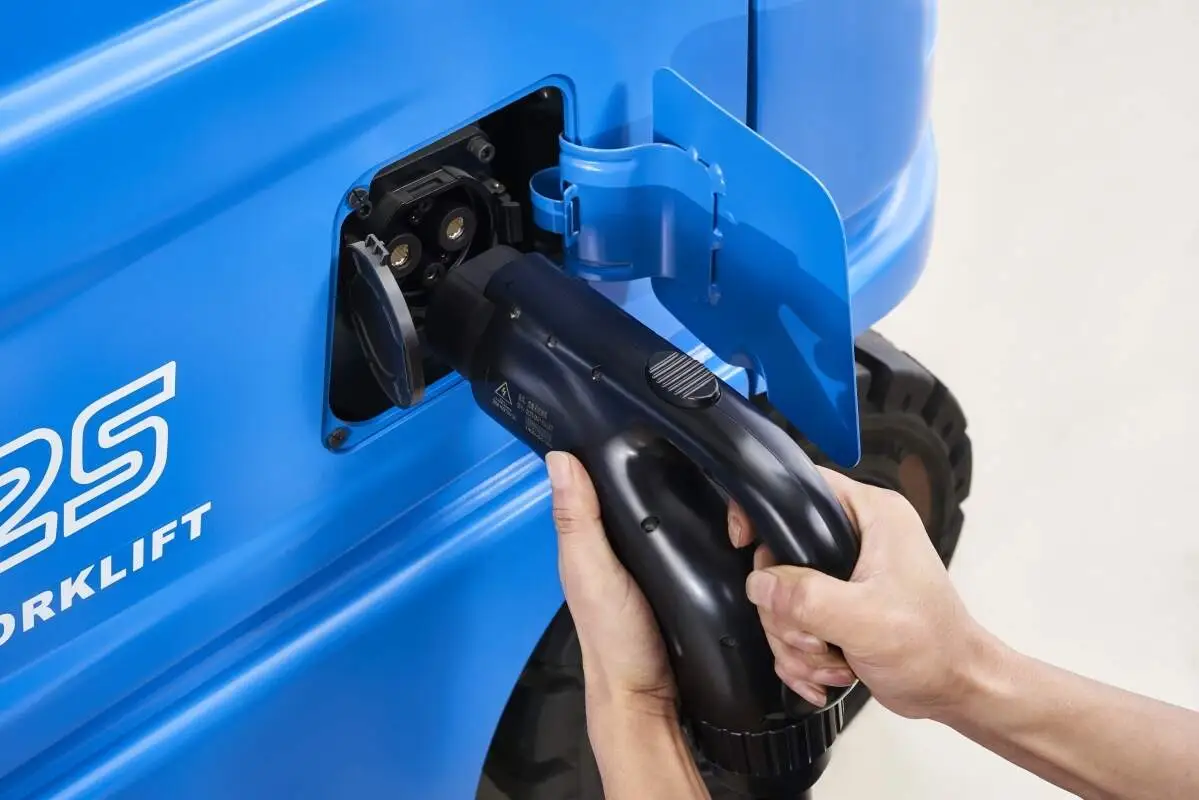
Secondly, you need to clarify the daily continuous operation time and on-site supporting charging conditions. Different operation teams have different work rhythms: some operation sites run single shift with 4 to 6 hours of daily operation, while some e-commerce logistics distribution centers run two or three shifts that require the equipment to keep running for more than 12 hours a day. You need to confirm whether there is a suitable special charging area on the site, and judge whether the battery life and fast charging performance of the selected forklift can match your daily operation schedule, so as to avoid unplanned downtime affecting the normal work arrangement.
Thirdly, you also need to confirm the subsequent after-sales service support rules and long-term operation cost budget. Long-term use of forklifts will involve regular maintenance, battery status detection, wearing parts replacement and other links. Clarifying the service response efficiency and charging standards in advance can help you arrange the annual equipment operation budget more reasonably. As a professional new energy material handling equipment supplier, Jianshu New Energy specializes in supplying BYD electric forklifts, and we can provide you with full-scene demand matching consultation, help you sort out all the above key questions one by one, and recommend the most suitable electric forklift model for your actual operation scenario, help you avoid unnecessary procurement mistakes, and ensure that the equipment can create stable value for your daily material handling work.