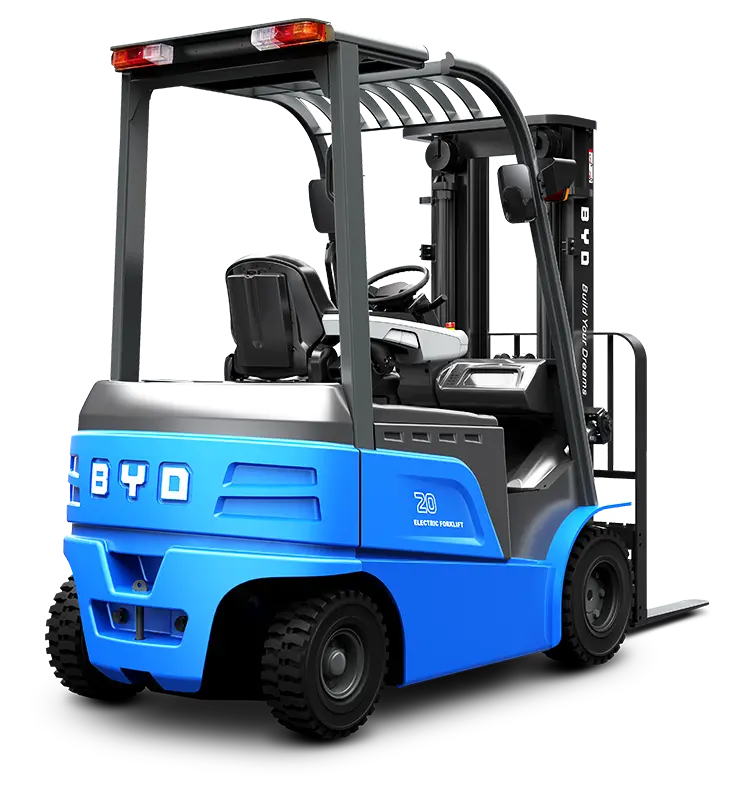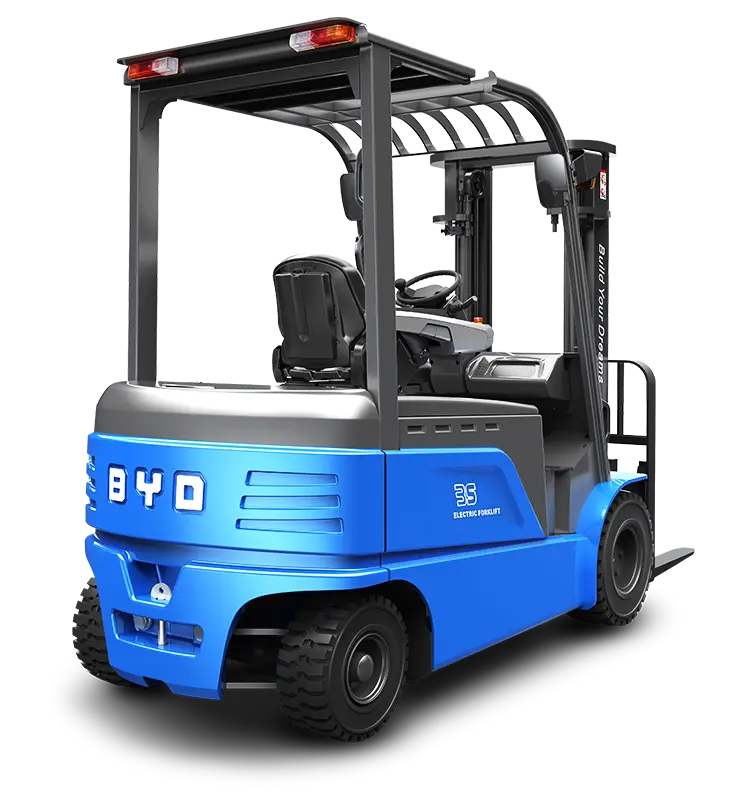
When operating forklifts in warehouses with dense racking systems, clarifying the actual loadable performance of forklifts matching different rack parameters is the core premise to ensure stable, safe and efficient daily material handling operations. Many warehouse operation teams tend to only refer to the nominal load data of forklifts on flat ground, ignoring the load change rule when the fork lifting height increases, which may easily bring hidden safety risks such as cargo falling, equipment tipping or rack collision damage.

First of all, it is necessary to clarify the basic logic of loadable performance adjustment for forklifts working in rack placement scenarios. The rated load marked on the nameplate usually refers to the maximum allowable weight when the fork keeps the low position close to the ground. When the forklift enters the rack area to carry out high-position stacking or picking operations, the center of gravity of the whole vehicle will move up continuously with the rise of the fork, so the actual safe loadable weight will decrease correspondingly with the increase of the lifting height. In the narrow aisle scene specially planned for dense racks, the space reserved for forklift operation is quite limited, and reasonable control of load is also helpful to reduce the operation difficulty of drivers and avoid unnecessary collision losses.
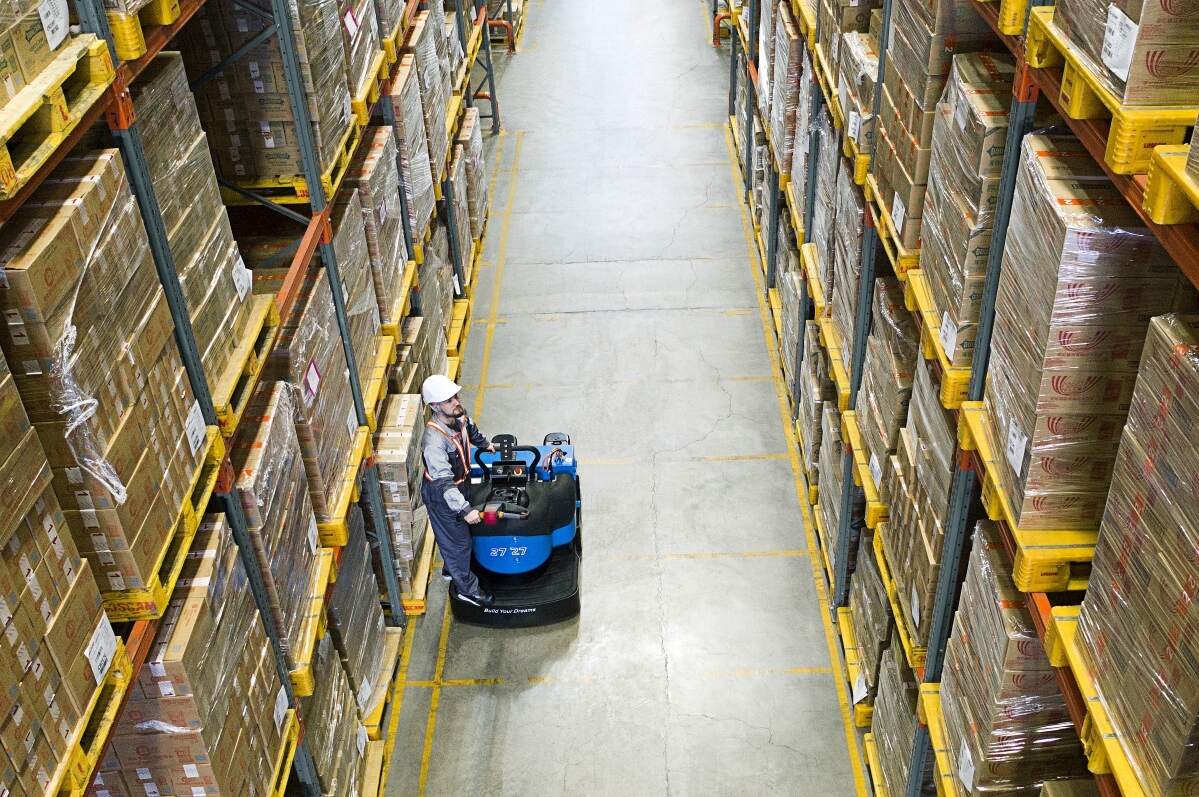
Secondly, mastering the correct matching method of forklift load and rack parameters can bring considerable practical value to warehouse operation. After matching the proper load performance of forklift according to the actual rack height, channel width and average cargo weight specification, the warehouse can make full use of the upper space of the storage site, and there is no need to reserve extra wide channel space blindly, which effectively improves the utilization rate of the whole storage area. Standardized load management can also reduce the wear of forklift mechanical parts, extend the service life of equipment, and reduce the comprehensive operation cost of the warehouse.
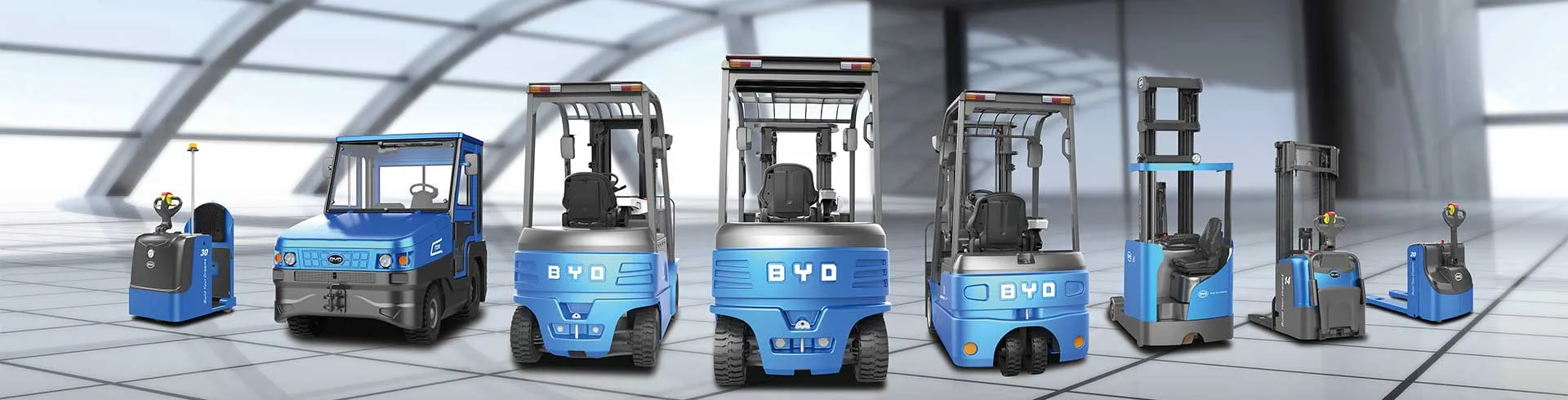
In daily operation, the warehouse management team can carry out targeted optimization work from multiple dimensions. First, sort out all the parameters of existing racks, including maximum allowable stacking height, reserved operation channel width, and maximum load per layer of rack units, as the basic reference data for selecting matching forklift equipment. Second, organize regular operation training for forklift drivers to make them fully master the corresponding load reference value under different lifting heights, and strictly prohibit over-load operation. Third, arrange regular inspection and calibration of the load sensing module of the forklift to ensure that the load data feedback is accurate and effective. Jianshu New Energy, as a professional electric forklift service provider, specializes in BYD electric forklifts, and can provide targeted load matching scheme consultation for different warehouse rack scenarios, to help customers build a more stable and efficient material handling system.