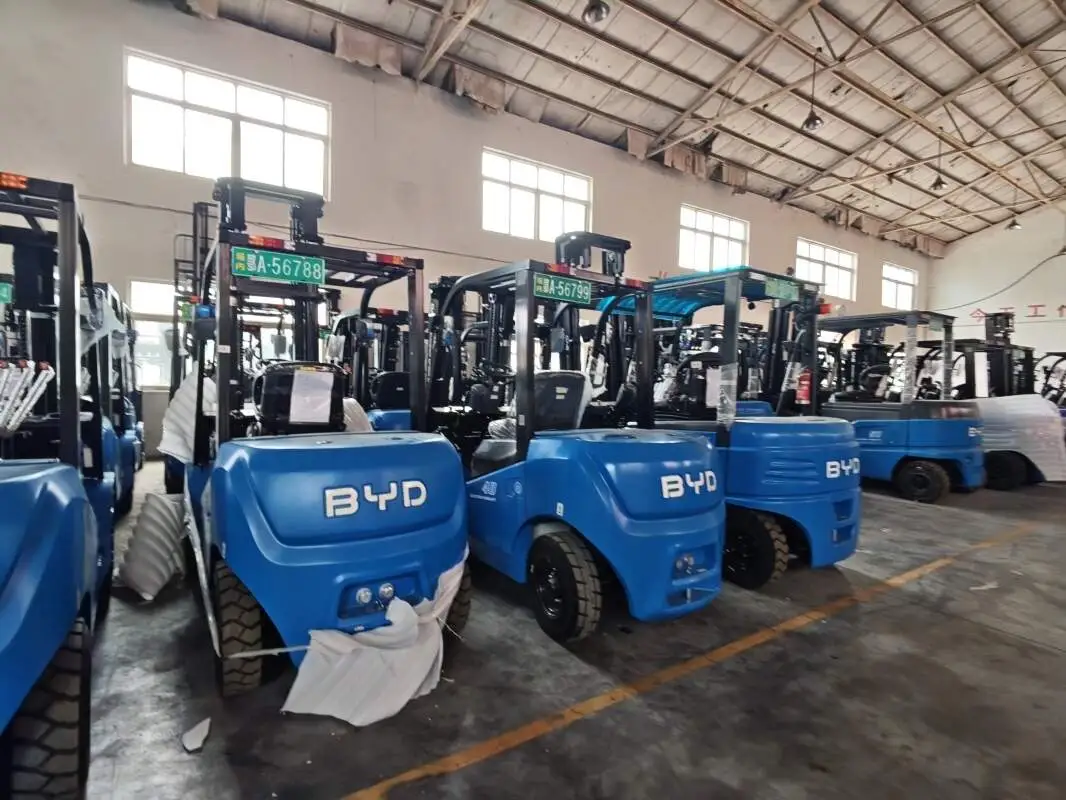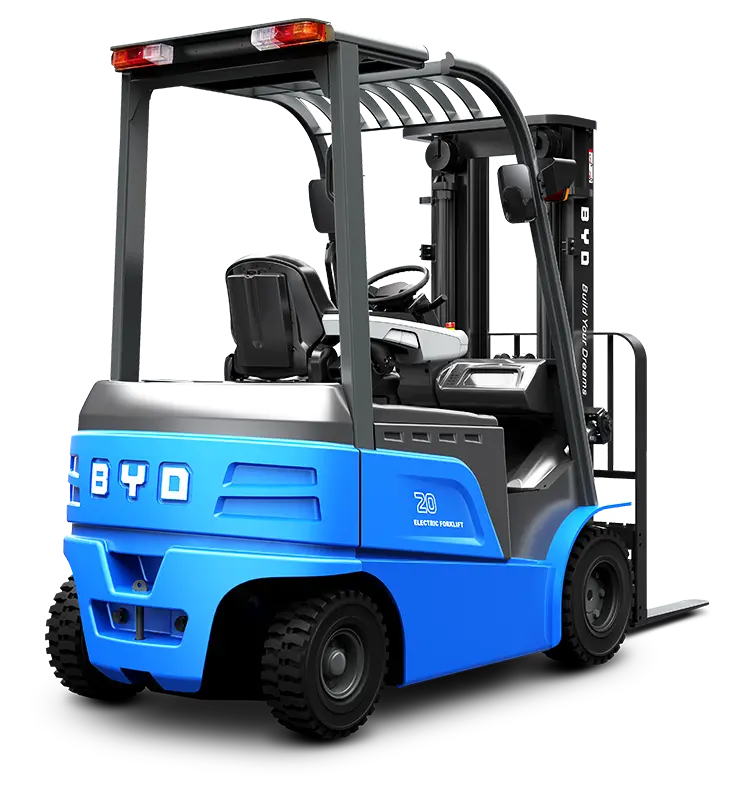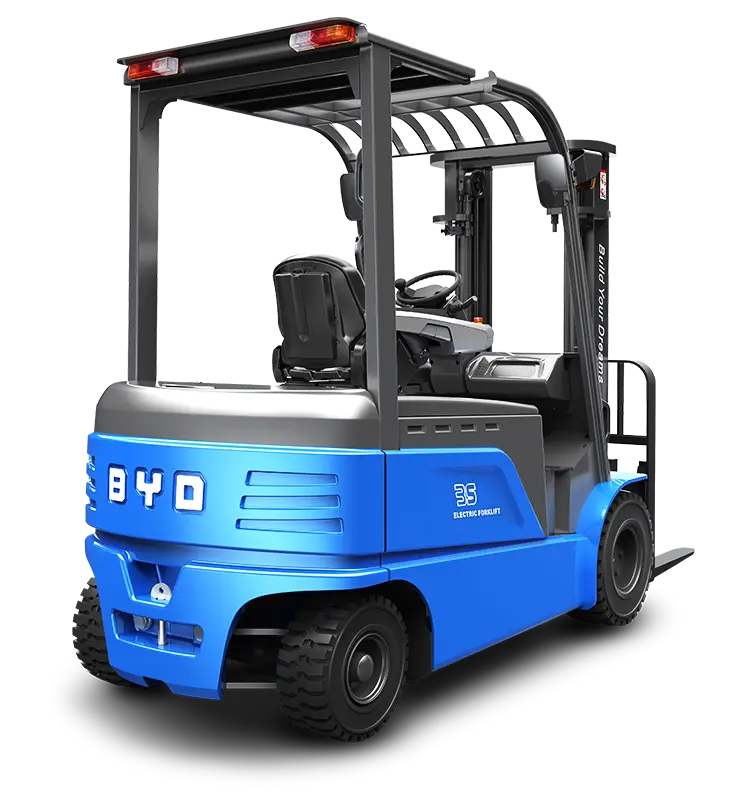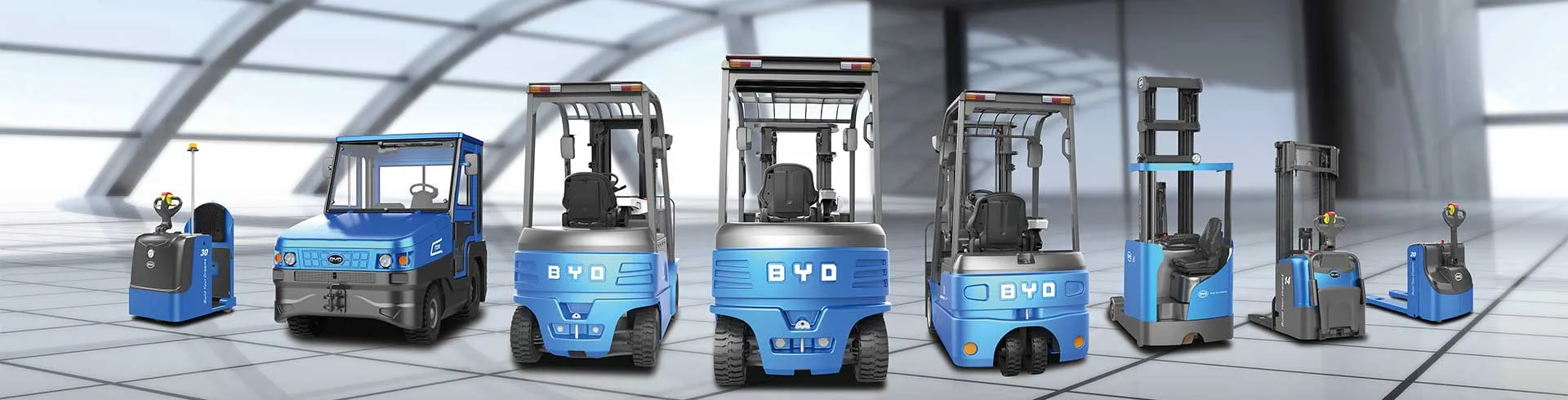
For most manufacturing, warehousing and logistics enterprises, it is a common confusing problem to confirm whether a forklift is considered mobile equipment when carrying out equipment account registration, safety management and work site compliance review. Clarifying the core judgment criteria of this attribute will help enterprises avoid management loopholes, and better match the appropriate handling equipment for their own operation scenarios.
First of all, the first core judgment dimension is independent displacement capacity. Mobile industrial equipment is defined as the device that is equipped with self-contained power walking system, no need to rely on fixed guide rails or external traction devices, and can flexibly move between different working points within the specified operation range. Different from fixed lifting platforms and fixed conveying equipment installed at a single station, forklifts fully meet the standard of independent movement, which is the core basis for it to be classified as mobile equipment.
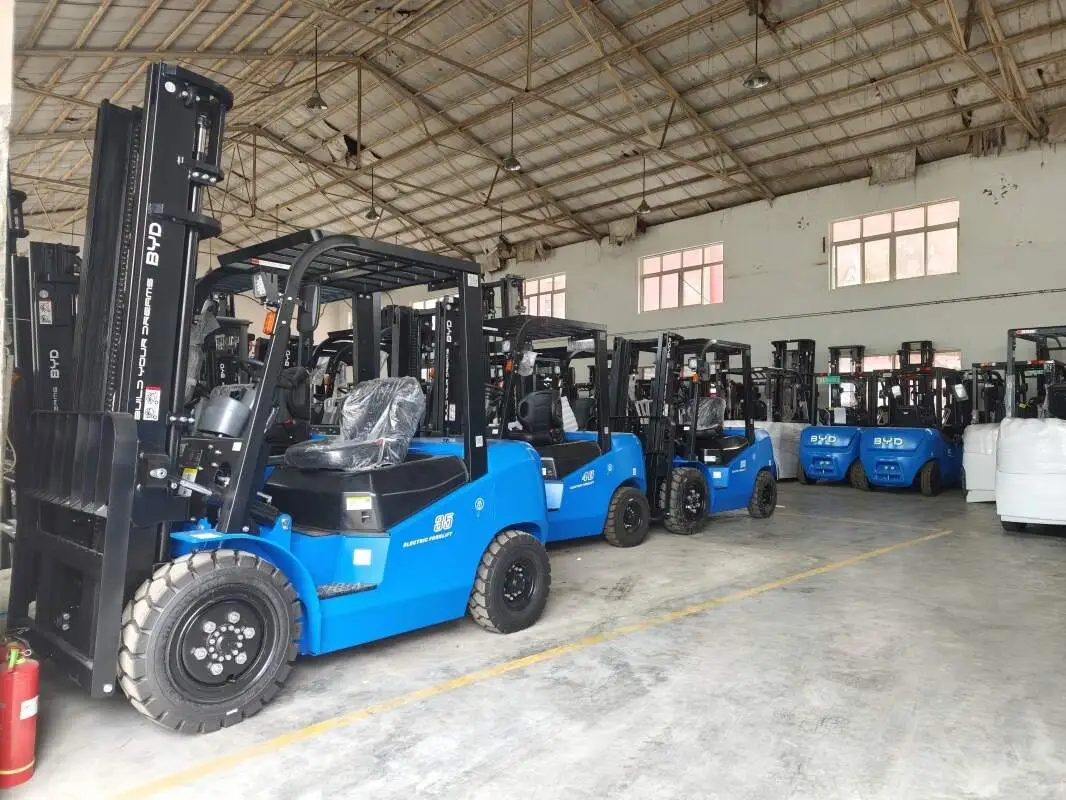
The second key point to judge is the core functional positioning of the equipment. The main design purpose of forklifts is to complete cross-point material handling, stacking and loading and unloading operations. Its full use value is reflected in the process of moving between different operation areas, rather than completing fixed single-station work. This functional attribute further confirms that forklifts belong to the category of mobile equipment.
The third point related to daily management is the compliance requirement after confirming the equipment attribute. After confirming that the forklift is mobile equipment, enterprises need to complete equipment filing, regular safety inspection and operation personnel certification in accordance with corresponding regulatory requirements. As a professional new energy forklift service provider, Jianshu New Energy specializes in BYD electric forklifts, we can provide customers with complete official equipment attribute description materials, assist customers to complete all processes of account registration and compliance reporting, and avoid possible problems in subsequent safety supervision links.
When purchasing such mobile electric forklifts, enterprises also need to check the matching degree of equipment load, endurance, body width and their own operation scenarios, to ensure that the equipment can move smoothly in the operation channel, meet the full shift operation demand, and match the perfect after-sales maintenance service system, to guarantee the safety and stability of the mobile equipment in the whole service cycle.