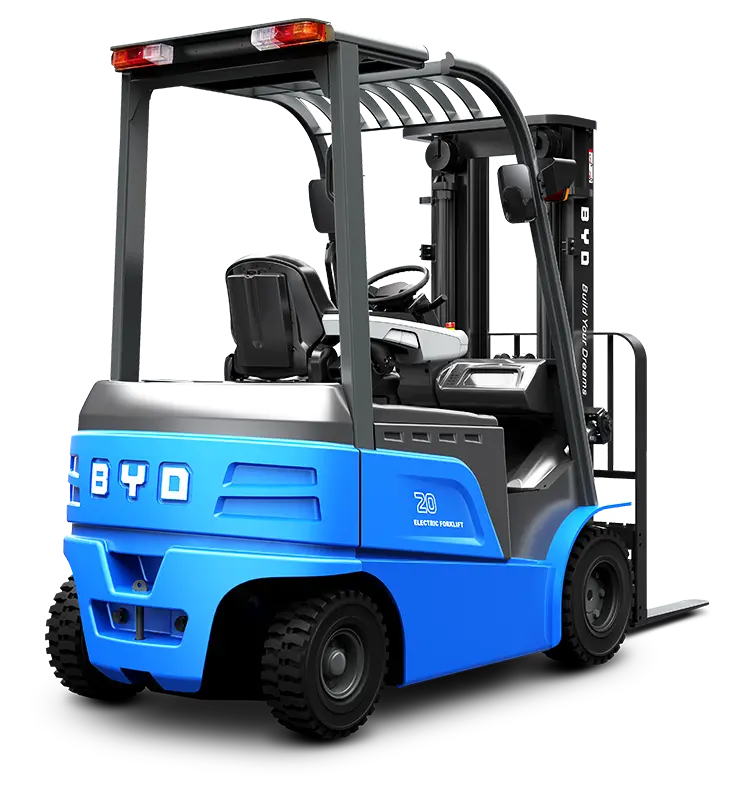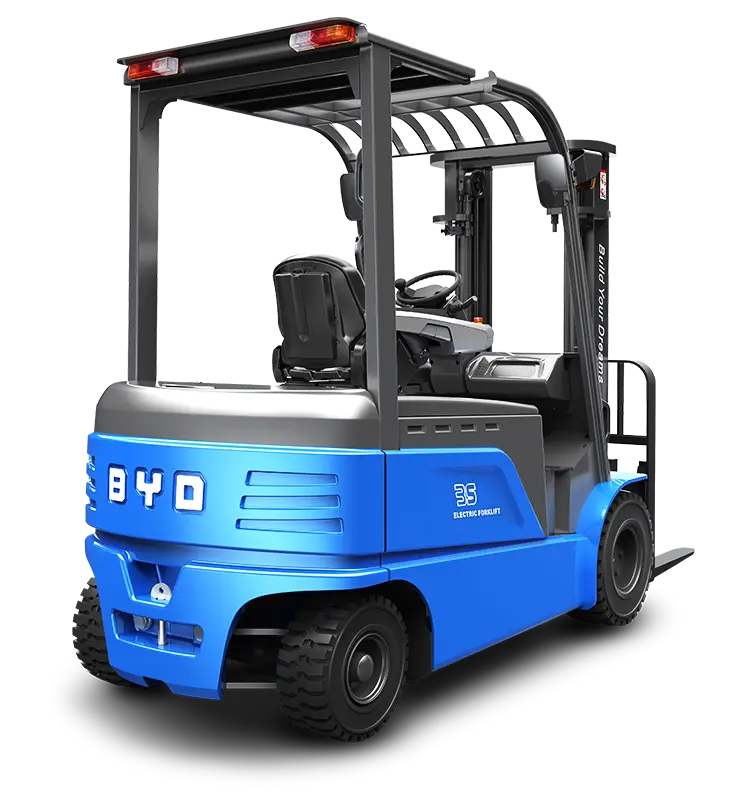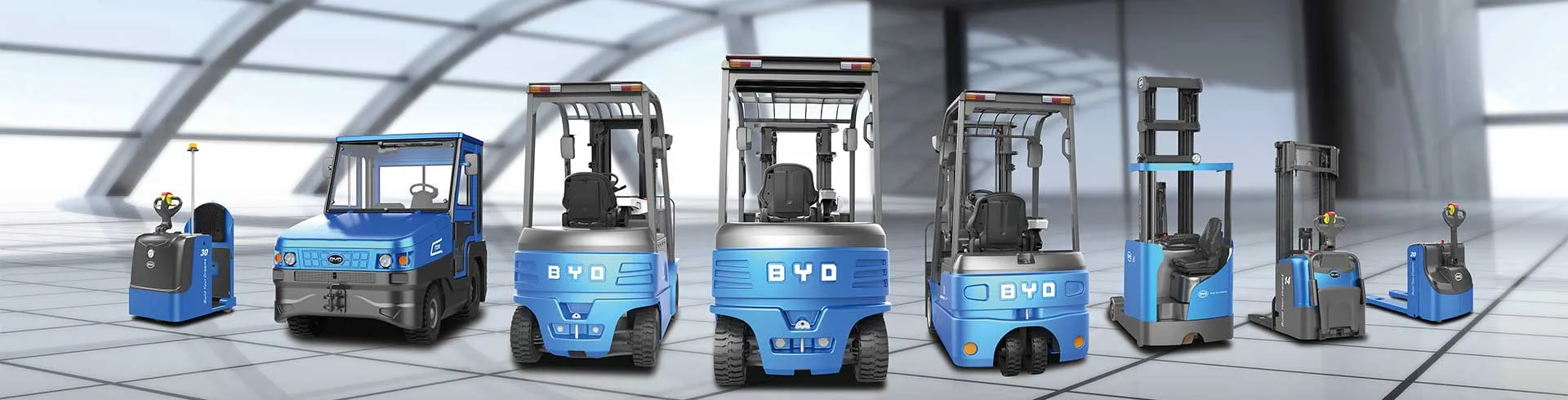
Many industrial workplaces that deploy material handling equipment often overlook the core value of following OSHA forklift regulations in daily operation, which easily leads to unnecessary safety hazards for on-site staff and property. According to public statistical data, a large proportion of workplace material handling related accidents are directly related to non-standard forklift operation and lack of targeted safety management, which brings avoidable losses to enterprises and frontline practitioners.
OSHA’s forklift related regulations cover full lifecycle management of the equipment, including operator qualification training, pre-operation daily inspection, load limit compliance, driving path specification and regular equipment maintenance. All these rules are not set as redundant restrictive requirements, but summed up from decades of actual workplace accident cases, to avoid common risks such as rollover, collision, load falling and personnel injury that often happen in material handling scenarios. The requirements also make clear the responsibility boundary of equipment managers, operation staff and safety supervisors, to build a multi-layer safety protection mechanism for the whole workplace.
Enterprises that strictly implement these regulations can effectively reduce on-site safety accident rates, cut down unnecessary downtime caused by safety violations, and create a more stable working environment for all frontline staff. For electric forklift users, following OSHA rules also helps to extend the service life of the equipment, avoid improper operation that damages the power system, walking system and hydraulic structure, and reduce long-term operation and maintenance costs.
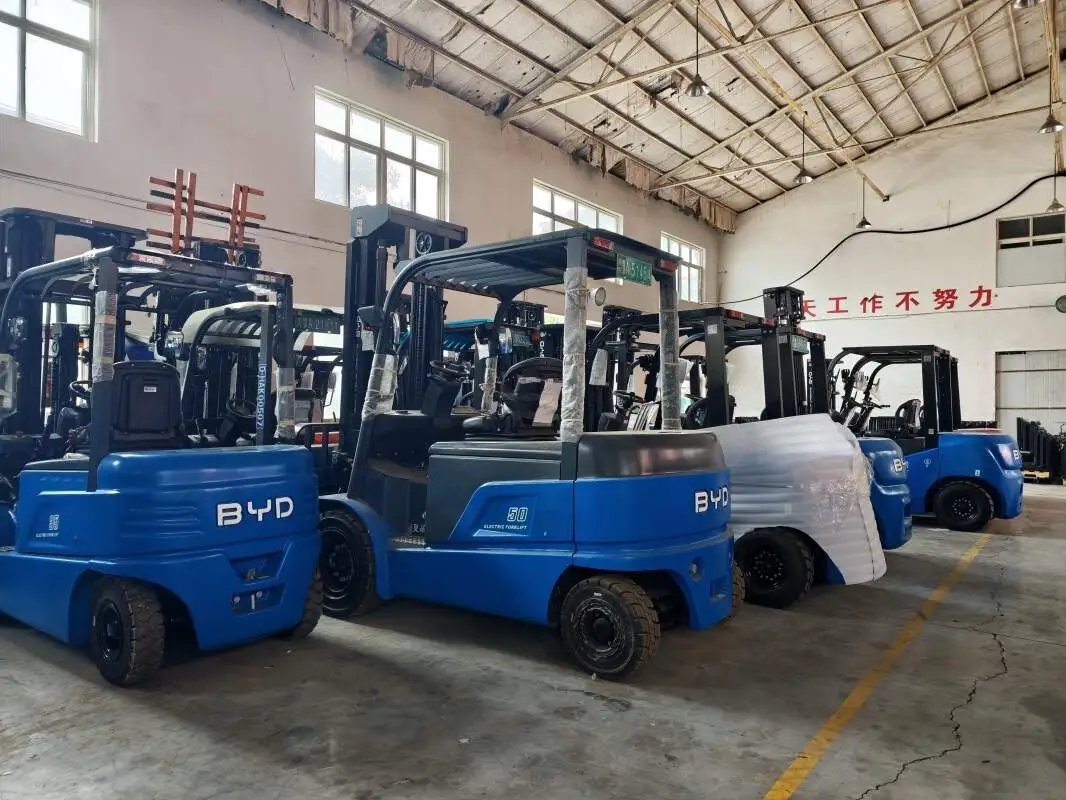
As a professional new energy material handling equipment supplier, Jian Shu New Energy specializes in BYD electric forklifts, and we will provide every client with matching OSHA compliance guidance documents together with the delivered equipment, help operators master standard operation skills, and assist enterprises to establish a complete forklift safety management system that fully meets regulatory requirements.

Fully valuing and strictly implementing OSHA forklift regulations is not a passive compliance burden for enterprises, but an active investment in long-term workplace safety, operational efficiency and staff welfare, which will bring continuous stable returns for the whole operation process.