


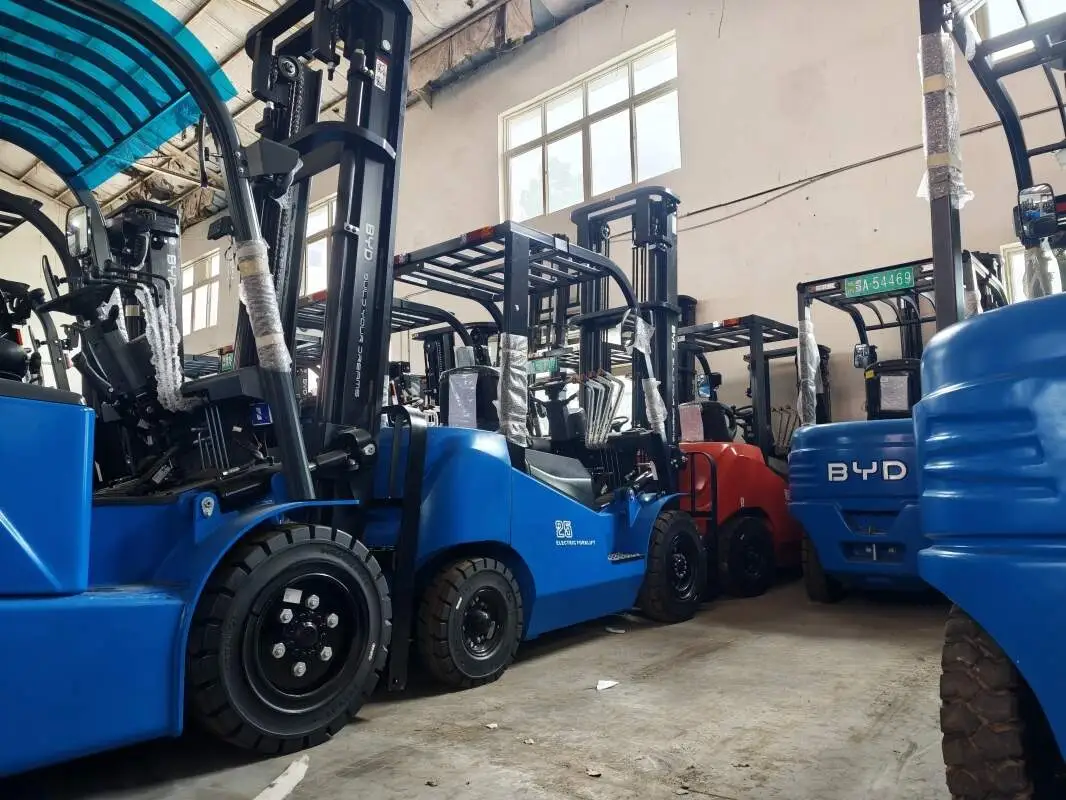
The hydraulic system of an electric forklift is the core component to ensure its lifting and handling operations. Problems such as abnormal noise of the hydraulic oil pump and blockage of the pipeline filter element will not only affect the operation efficiency, but also aggravate the wear of the components and shorten the service life of the equipment. Mastering abnormal noise investigation and filter element replacement skills is an important part of the daily maintenance of the forklift.
First, the detection method of abnormal noise of hydraulic oil pump
When an abnormal sound occurs in a hydraulic oil pump, it is first necessary to identify the characteristics of the abnormal sound through hearing: if there is a sharp and piercing whistling sound, it is mostly related to the intake of hydraulic oil or the lack of oil; if it is a low muffled sound, it may be caused by internal parts wear or hydraulic valve stuck.
The first step is to check the status of the hydraulic oil. Open the hydraulic oil tank cover and observe whether the oil level is between the upper and lower limits of the ruler. If the oil level is too low, you need to replenish the same type of hydraulic oil in time; at the same time, check the color and transparency of the oil. If the oil is black, cloudy or contains impurities, it indicates that the oil has deteriorated and needs to be completely replaced.
The second step is to check the pipeline intake problem. Check the joints and seals of the hydraulic pipeline one by one. If it is found to be loose or damaged, tighten or replace the seals in time; then start the forklift and repeatedly operate the lifting mechanism to help the air in the pipeline discharge and observe whether the abnormal noise is relieved.
The third step is to check the wear of the oil pump. If the abnormal noise still exists after excluding the oil and air intake problems, it is necessary to stop the machine and disassemble the oil pump to check the wear degree of the internal gears, bearings and other components. If the part clearance exceeds the standard range, the corresponding wear parts need to be replaced.
The fourth step is to verify the working condition of the hydraulic valve. Check the overflow valve, reversing valve and other components in the hydraulic system. If the valve core is stuck or worn, it will cause abnormal oil pressure and cause abnormal noise of the oil pump. At this time, the valve core needs to be cleaned or replaced.
Second, hydraulic pipeline filter element replacement skills
The main function of the hydraulic pipeline filter element is to filter impurities in the oil to prevent them from entering the oil pump and hydraulic valve. Regular replacement of the filter element is the key to maintaining the hydraulic system.
First, make early preparations: park the forklift on a flat ground, turn off the power and pull up the handbrake, operate the lifting mechanism to minimize the fork, slowly release the pressure of the hydraulic system, and avoid oil ejection during disassembly; prepare the new filter element, wrench, oil receiving container and other tools for the appropriate model.
Then perform the replacement operation: find the location of the filter element, usually located in the middle of the oil outlet or pipeline of the hydraulic oil tank, place the oil receiving container under the filter element, and unscrew the old filter element with a wrench to avoid leakage of residual oil; wipe the surface of the filter element mounting seat with a clean rag to ensure that no impurities remain; apply a small amount of hydraulic oil to the sealing ring of the new filter element, and slowly screw it into the mounting seat until it is tightened (no excessive force is required to prevent the sealing ring from being damaged).
Finally, complete the follow-up inspection: After the installation is completed, add an appropriate amount of hydraulic oil to the standard oil level, start the forklift and repeatedly operate the lifting mechanism to discharge the air in the pipeline; after 5-10 minutes of operation, check whether there is any oil leakage at the installation of the filter element, and observe whether the hydraulic system is running smoothly. After confirming that there is no abnormality, it can be put into use.
In daily maintenance, it is recommended to regularly check the working condition of the hydraulic oil pump and the status of the filter element according to the cycle specified in the equipment user manual, and check the hidden dangers in time to effectively extend the service life of the hydraulic system and ensure the stable operation of the forklift.

