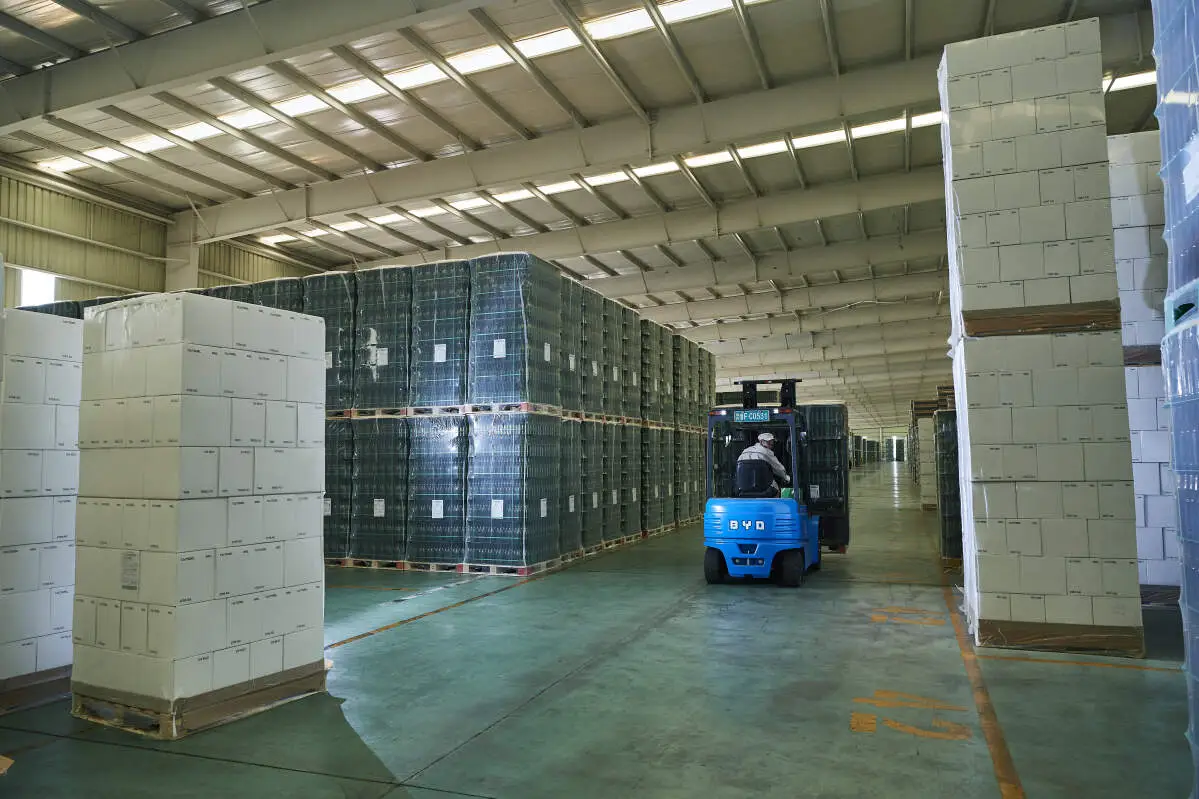
Material handling in confined spaces, such as narrow warehouse aisles, compact manufacturing floors, and tight storage facilities, poses unique challenges for traditional forklifts. Maneuverability, space efficiency, and environmental compliance are key concerns for businesses aiming to maintain productivity without compromising safety. Articulated electric forklifts have emerged as a tailored solution to address these pain points, offering a range of benefits that align with the demands of confined space operations.
Superior maneuverability stands as one of the most notable advantages of articulated electric forklifts. Unlike standard forklifts with a fixed chassis, these models feature a jointed design that allows the front and rear sections to pivot independently. This innovative structure significantly reduces the turning radius, enabling the forklift to navigate sharp corners and tight gaps with ease. In spaces where traditional models would struggle to make a full turn, articulated electric forklifts can maneuver smoothly, eliminating the need for multiple back-and-forth movements that waste time and increase collision risks.
Zero-emission performance is another critical benefit for indoor confined spaces. Articulated electric forklifts operate on battery power, producing no tailpipe emissions such as carbon monoxide or particulate matter. This makes them an eco-friendly choice, ensuring compliance with indoor air quality regulations and creating a safer working environment for employees. Unlike gas-powered alternatives, they require no additional ventilation systems to mitigate fumes, reducing operational costs and simplifying facility management.
Precise load handling is further enhanced by the articulated design. Operators can adjust the forklift’s angle with accuracy, allowing them to place or retrieve loads in tight storage racks or narrow openings without damaging inventory or infrastructure. The electric powertrain provides smooth acceleration and deceleration, supporting steady, controlled movements in areas where even small errors can lead to costly incidents. This level of precision helps maintain workflow efficiency while minimizing potential damage.
Space efficiency is a key advantage for facilities with limited square footage. By requiring less turning space, articulated electric forklifts enable businesses to optimize storage layouts. Warehouse managers can reduce aisle widths while maintaining access to all storage locations, maximizing usable floor space for additional inventory. This space-saving capability translates into improved storage capacity and higher operational efficiency, helping businesses make the most of their available workspace.
Low maintenance requirements add to the appeal of these forklifts. Electric systems generally have fewer moving parts compared to internal combustion models, and the articulated design does not introduce excessive complexity to maintenance routines. Battery-powered operations eliminate the need for oil changes, filter replacements, and tune-ups associated with gas engines, reducing downtime and long-term maintenance costs. Regular battery checks and basic chassis inspections are sufficient to keep these forklifts operating reliably in confined space settings.
For businesses seeking efficient, safe, and sustainable material handling solutions in confined spaces, articulated electric forklifts present a compelling option. Their combination of maneuverability, zero emissions, precise control, and space efficiency makes them well-suited for a variety of indoor and tight-area applications. If you’re interested in exploring articulated electric forklift options tailored to your operational needs, contact Jianshu New Energy, a specialist in BYD electric forklifts, via email at 17399989919@163.com.