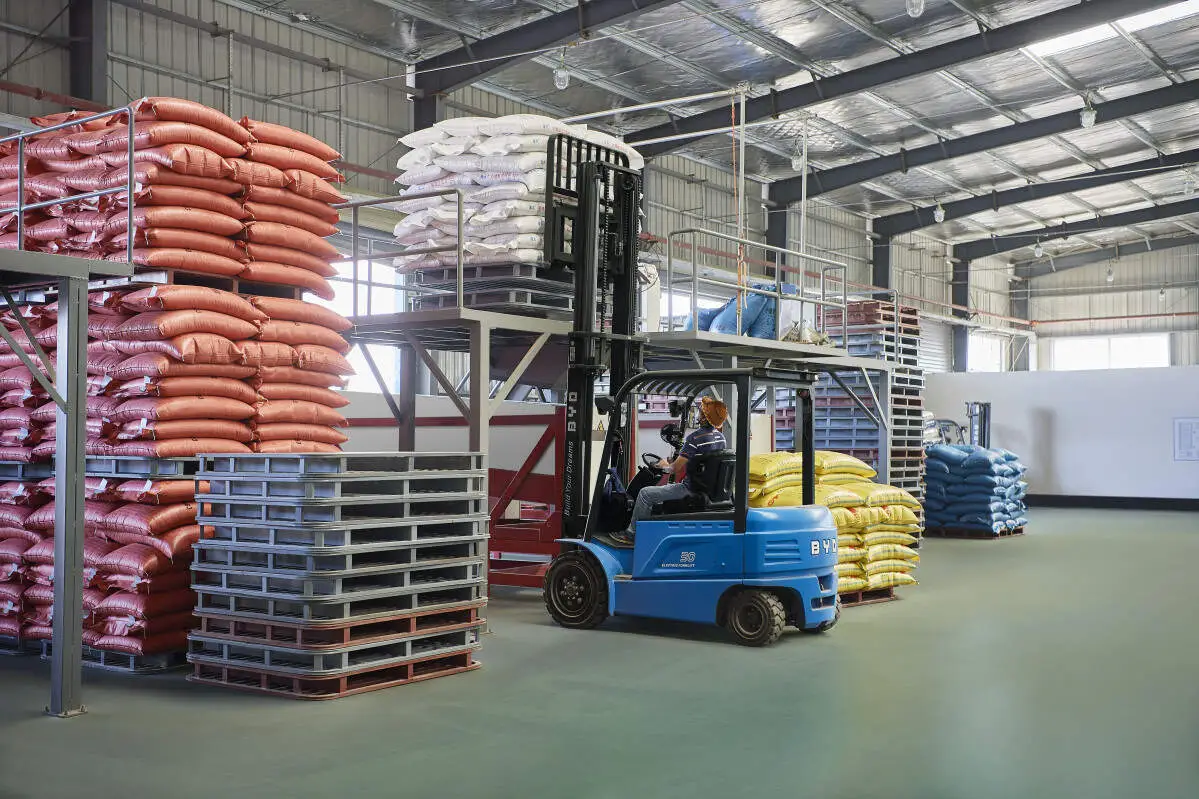
Magnetic fork tools are valuable attachments that extend the functionality of standard electric forklifts, streamlining material handling operations for specific load types. However, their performance and safety depend on adhering to clear application boundaries, which every operator and facility manager should understand.
Suitable Application Scenarios
Magnetic fork tools excel in environments where ferrous metal loads are handled regularly. For instance, in indoor warehouses storing flat steel plates, metal pallets, or iron-structured components, these tools eliminate the need for additional strapping or clamping. They securely lift and transport loads by creating a strong magnetic bond, reducing loading time and minimizing the risk of load shifting during movement.
Another ideal scenario is medium-light load operations within the electric forklift’s rated capacity. When dealing with load weights that fall within both the forklift’s lifting limit and the magnetic tool’s maximum holding force, operators can rely on consistent performance. Controlled indoor settings, free from extreme weather or corrosive substances, also support long-term functionality, as magnetic components are less prone to damage in stable conditions.
Key Application Boundaries
Despite their utility, magnetic fork tools have distinct limits that must be respected. First, they are ineffective for non-ferrous materials such as aluminum, copper, or non-magnetic alloys, as these do not respond to magnetic attraction. Attempting to lift such loads will result in immediate slippage, posing safety hazards.
Irregular-shaped or uneven surfaces also fall outside the tool’s effective range. Loads with jagged edges, curved surfaces, or significant gaps cannot form a full contact with the magnetic plate, weakening the holding force. This increases the risk of load drops, even if the material is ferrous.
Extreme environmental conditions further restrict use. Outdoor operations exposed to heavy rain, snow, or high humidity can corrode magnetic components over time, reducing their attraction strength. Similarly, high-temperature environments may demagnetize the tool, rendering it unreliable.
Overloading is another critical boundary. Exceeding either the electric forklift’s rated lifting capacity or the magnetic tool’s specified holding weight can lead to structural damage, magnetic failure, or loss of load control, endangering both operators and surrounding assets.
Operational Best Practices
To stay within these boundaries, regular inspection of magnetic fork tools is essential. Operators should check for surface rust, cracks, or reduced magnetic strength before each use. Proper training on load assessment—including material type, shape, and weight—ensures tools are only used in appropriate scenarios.
For businesses seeking guidance on selecting and using magnetic fork tools with standard electric forklifts, experts at Jianshu New Energy, a specialist in electric forklifts, can provide tailored advice. Reach out to us at 17399989919@163.com to learn how to optimize your material handling operations safely and efficiently.