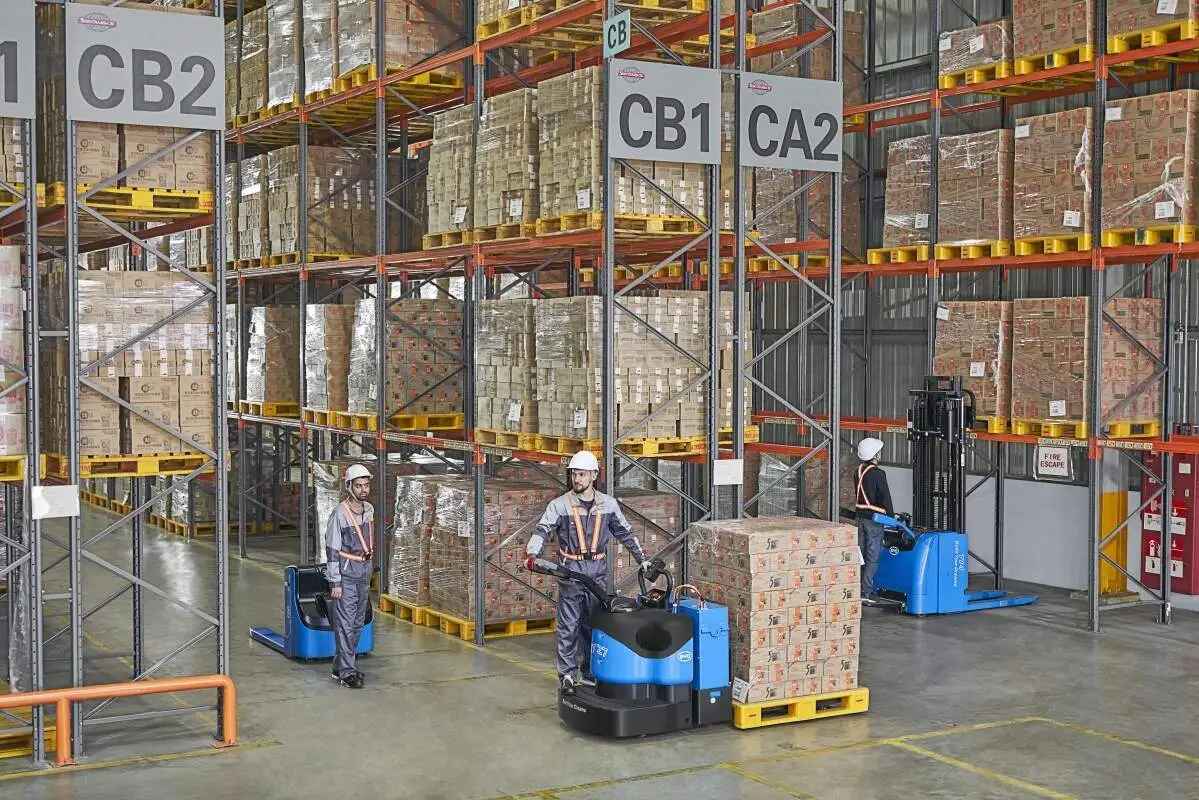
Asset classification is a critical component of financial management for businesses of all sizes, as it directly impacts accounting practices, tax reporting, and long-term strategic planning. One common question that arises in warehouse and logistics operations is whether an electric forklift qualifies as a fixed asset. Understanding this classification is essential for accurate financial record-keeping and making informed investment decisions.
To answer this question clearly, we first need to define what constitutes a fixed asset. Fixed assets are tangible, long-term assets that a company owns and uses to generate income. They typically have a useful life of more than one year, are not intended for resale, and hold significant monetary value. Common examples include industrial machinery, commercial vehicles, and equipment dedicated to supporting daily operational activities.
When evaluating an electric forklift against these core criteria, it becomes evident that it meets the definition of a fixed asset. First, electric forklifts are tangible pieces of equipment designed for extended use, with an average useful life ranging from 5 to 10 years when properly maintained. Unlike inventory items meant to be sold to customers, electric forklifts are deployed to facilitate core business functions—such as loading, unloading, and transporting goods within warehouses or distribution centers. Additionally, electric forklifts carry a substantial upfront cost, which aligns with the monetary value requirement for fixed asset classification.
Classifying an electric forklift as a fixed asset carries several important implications for businesses. From an accounting perspective, fixed assets are depreciated over their useful life, allowing companies to spread the equipment’s cost across multiple years rather than expensing it entirely in one fiscal period. This approach provides a more accurate representation of the company’s financial health and profitability over time. For tax purposes, depreciation expenses can also be utilized to reduce taxable income, resulting in potential cost savings for the business.
Beyond financial considerations, classifying electric forklifts as fixed assets underscores their role as critical investments in operational efficiency. Proper management of these assets, including regular maintenance and timely upgrades, can help minimize downtime, boost productivity, and extend the equipment’s lifespan. For organizations looking to optimize their material handling operations, choosing reliable electric forklift solutions is key. Jianshu New Energy specializes in providing tailored electric forklift options to meet diverse business needs. For further inquiries, you can contact us at 17399989919@163.com.