


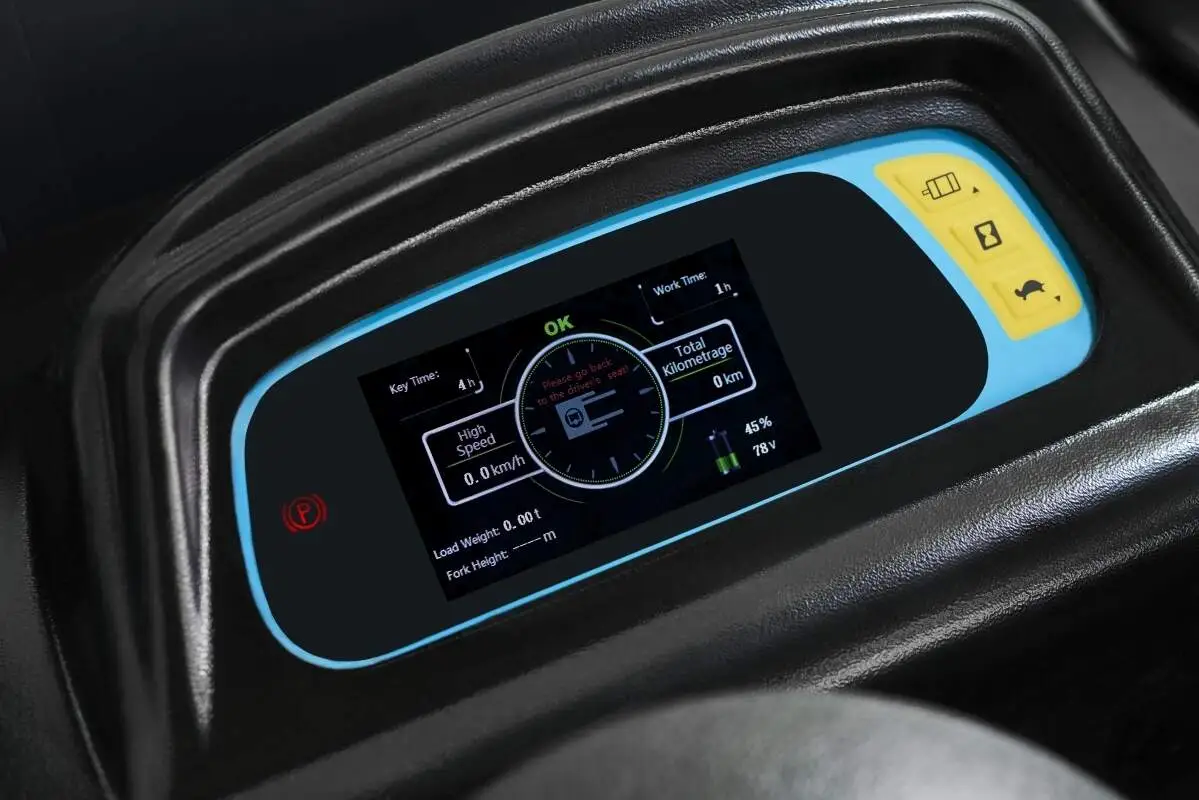
As a commonly used handling equipment in industrial scenarios, BYD AF forklifts have a direct impact on operating efficiency. Standardized replacement of original parts and regular maintenance are the core links to ensure the long-term operation of equipment.
In the process of replacing the original parts, it is first necessary to clarify the principle of adaptability. The original parts are highly compatible with the equipment design standards, which can avoid additional failures caused by the mismatch of the parts. Before replacement, make preparations: first stop the machine and power to ensure that the working environment is free of potential safety hazards. At the same time, confirm the specific model of the required parts according to the equipment manual, and prepare the corresponding tools and new original parts. When disassembling the old parts, it is necessary to strictly follow the operation steps to avoid violent disassembly and damage to the surrounding parts. For example, when disassembling hydraulic parts, seal and protect in advance to prevent impurities from entering the system. When installing new parts, align the installation benchmark and tighten the screws according to the specified torque to avoid deformation of the parts due to excessive tightness or abnormal running noise caused by excessive looseness. After the installation is completed, it is necessary to start the practice run, detect the running status of the accessories, and confirm that there is no oil leakage, abnormal noise and other abnormalities before it can be put into normal use.
Regular maintenance needs to be carried out in different cycles, covering the core components and systems of the equipment. Daily maintenance is mainly carried out before and after the shift: check the battery power, brake sensitivity, and tire wear before the shift; clean the dust and sundries on the surface of the equipment after the shift, and clean the residue on the fork. Weekly maintenance requires in-depth inspection of whether the hydraulic oil level is within the standard range, fasten the bolts in the frame, fork rack and other parts, and clean the vents of the cooling system to avoid affecting the performance of the equipment due to poor heat dissipation. Monthly maintenance requires replacing the oil filter, checking the flexibility of the steering system, and testing whether the lights, warning signals and other auxiliary devices are normal. Seasonal maintenance is in-depth maintenance. It is necessary to comprehensively check the wear of the transmission system, calibrate the brake sensitivity, check the charging and discharging performance of the battery, and replenish the battery electrolyte if necessary.
Strictly following the original parts replacement process and regular maintenance specifications can not only reduce the incidence of equipment failure, but also effectively prolong the overall service life of the equipment, providing reliable protection for daily operations. Operators need to be familiar with the content of the equipment manual and receive regular professional training to ensure that every operation meets the standard requirements.

