


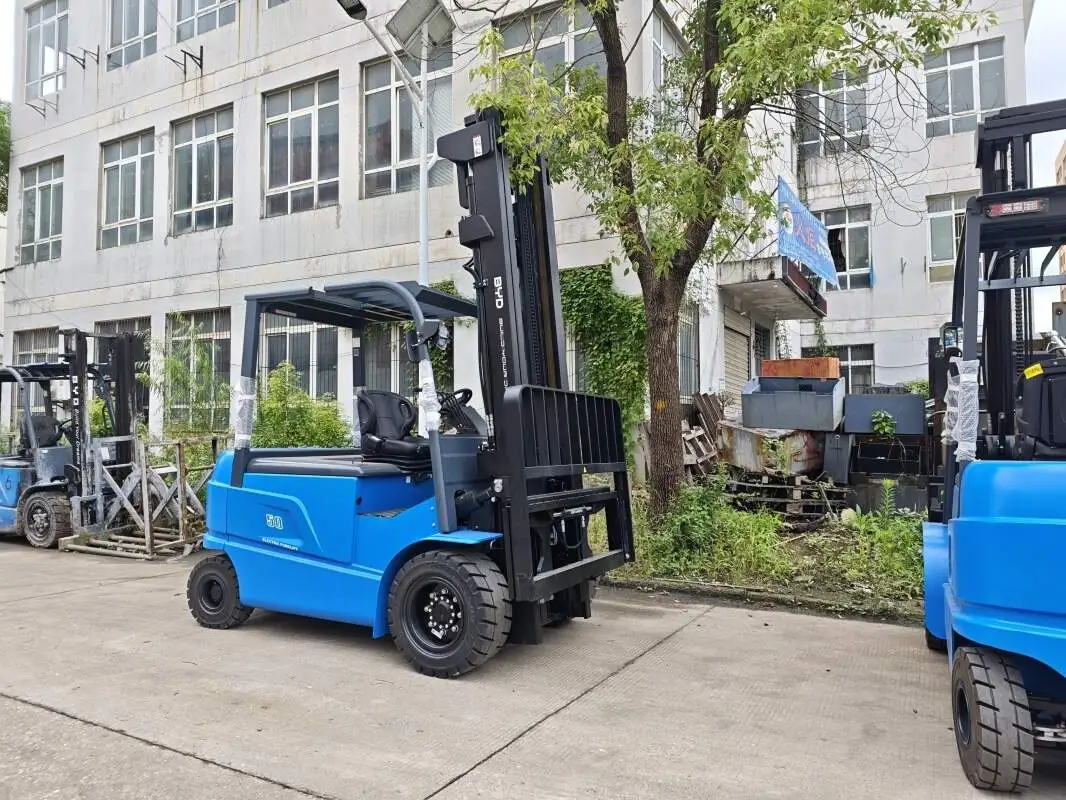
In the daily maintenance of electric forklifts, the maintenance and replacement of filter elements is a key link to ensure the stable operation of the equipment. Different types of filter elements have different functions. If confused, they will not only affect the filtration effect, but also exacerbate the wear of components. Therefore, it is necessary to accurately distinguish various types of filter elements and master purchasing skills.
First, let's take a look at the main points of distinguishing the filter element. The air filter element is mainly responsible for filtering impurities in the air entering the forklift power system. It is usually large in size and has a cylindrical or square appearance. The outer layer is covered with a filter layer made of paper or non-woven fabric. Some products will be reinforced with metal mesh, and the installation position is generally close to the air inlet of the power unit. The hydraulic filter element is used to filter oil impurities in the hydraulic system. It is relatively small in size and is mostly a slender cylinder in shape. The interior of the filter element is often made of glass fiber or metal mesh, which is installed in the hydraulic oil tank or pipeline and is in direct contact with the hydraulic oil. In addition to the appearance and installation location, the functional differences between the two are also obvious: the air filter is related to the intake cleanliness of the power system and affects the power output efficiency; the hydraulic filter is directly related to the wear degree of the hydraulic components, which is crucial for the lifting and walking of the forklift.
Mastering the correct purchasing skills can make the filter element perform at its best. When purchasing an air filter element, the first thing to pay attention to is the filtration accuracy. It needs to be selected according to the use environment of the forklift. High-precision filter elements should be preferred in multi-dust scenarios. At the same time, it is necessary to confirm the adaptability of the filter element to the air intake system of the forklift. If the size does not match, it will lead to a loose seal and affect the filtration effect. In addition, check the material strength of the filter element to ensure that it is not easily damaged in long-term use.
For the purchase of hydraulic filter elements, the key is to look at the stability of the filter material. High-quality filter materials can maintain filtration performance in high-pressure environments and are not prone to fiber shedding. Secondly, pay attention to the matching of the filtration accuracy of the filter element, which must be in line with the requirements of the hydraulic system. If the accuracy is too high, it will increase the resistance of oil flow, and if it is too low, it will not be able to effectively filter impurities. In addition, check the sealing structure of the filter element when purchasing. A good seal can prevent unfiltered oil from entering the system. It is recommended to choose products with compliance seals.
In daily maintenance, in addition to selecting the right filter element, it is also necessary to regularly check the use status of the filter element and replace it in a timely manner according to the duration of use and the environment in order to truly ensure the reliable operation of the electric forklift.

