


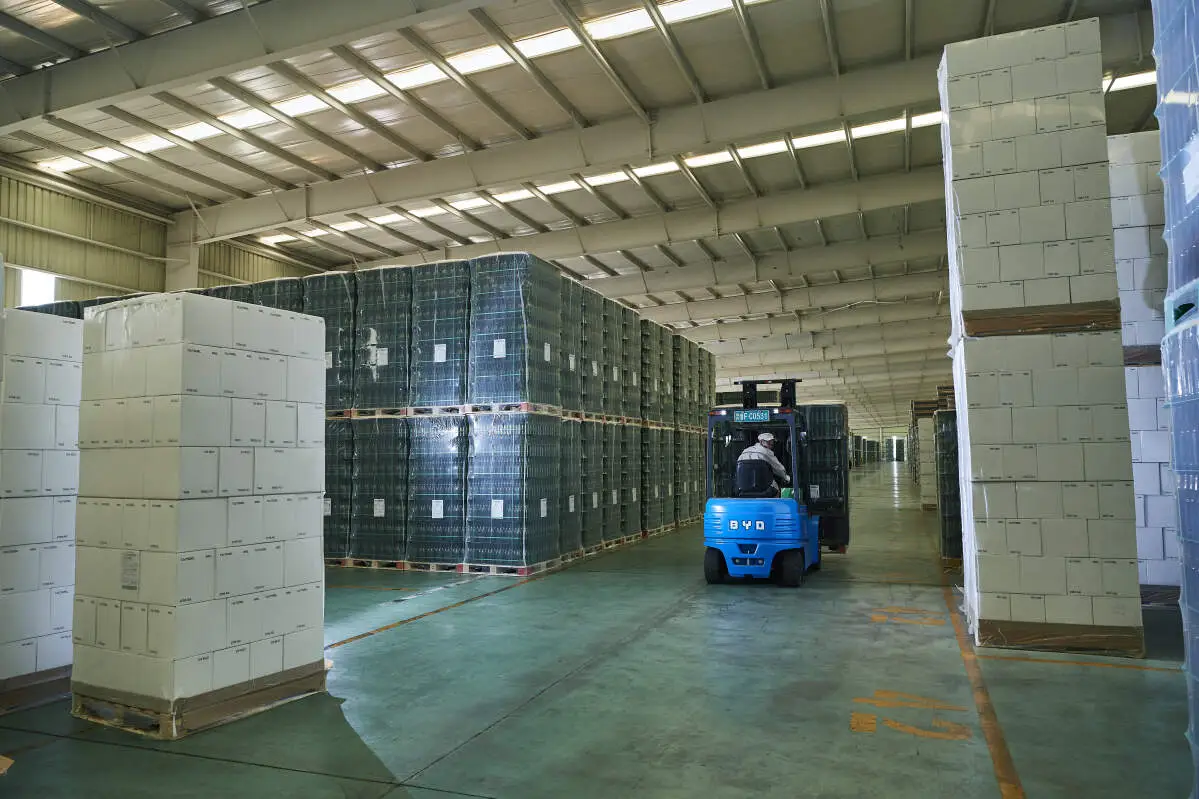
CPD40 wearing parts purchase core principles
Priority confirmation of accessory adaptation parameters
Before purchasing the relevant parts of the CPD40 model, it is necessary to carefully check the technical parameters released by the official vehicle to confirm that the size, load threshold, material attributes and model requirements of the parts to be purchased match exactly. Do not choose non-standard parts with unknown adaptability to avoid unnecessary safety hazards during subsequent use.
Verify accessories compliance qualification
In the purchasing process, it is necessary to confirm that the parts comply with the relevant production specifications of domestic construction machinery parts, and ask for the corresponding quality certificate. Do not purchase inferior parts provided by manufacturers without formal production qualifications to avoid affecting the overall operation stability of the forklift.
CPD40 Conventional wearing parts replacement operation guide
Replacement of tire wearing parts
If the tire wear reaches the warning line during the daily inspection, it is necessary to arrange for replacement in time. Before replacement, park the vehicle on a flat hardened ground, pull up the parking brake, and fix the body structure with a special safety pad. After the replacement is completed, test the tire coaxiality to confirm that the vehicle is running without deviation problems before putting it into use.
Brake friction plate replacement
After reaching the preset maintenance cycle, check the wear degree of the friction plate in time. When the wear amount exceeds two-thirds, it needs to be replaced immediately. When replacing, clean up the oil stains and impurities attached to the surface of the brake component, adjust the brake clearance, and test the braking performance several times without load after the replacement is completed. Confirm that the braking distance meets the requirements of the specification before normal use.
Replacement of filter element wearing parts
The hydraulic oil filter and oil return filter should be replaced regularly according to the maintenance cycle. When replacing, dust and impurities attached to the periphery should be cleaned up to avoid foreign objects entering the hydraulic circuit and causing blockage. After the replacement is completed, start the equipment to test the lifting and tilting actions of the hydraulic system to confirm that there is no leakage or card problem.
Doing regular inspections of wearing parts on a daily basis, recording the replacement cycle of various parts one by one, and adjusting the maintenance rhythm in combination with their actual usage scenarios can effectively reduce the overall operation and maintenance cost of the forklift and extend the service life of the vehicle.

