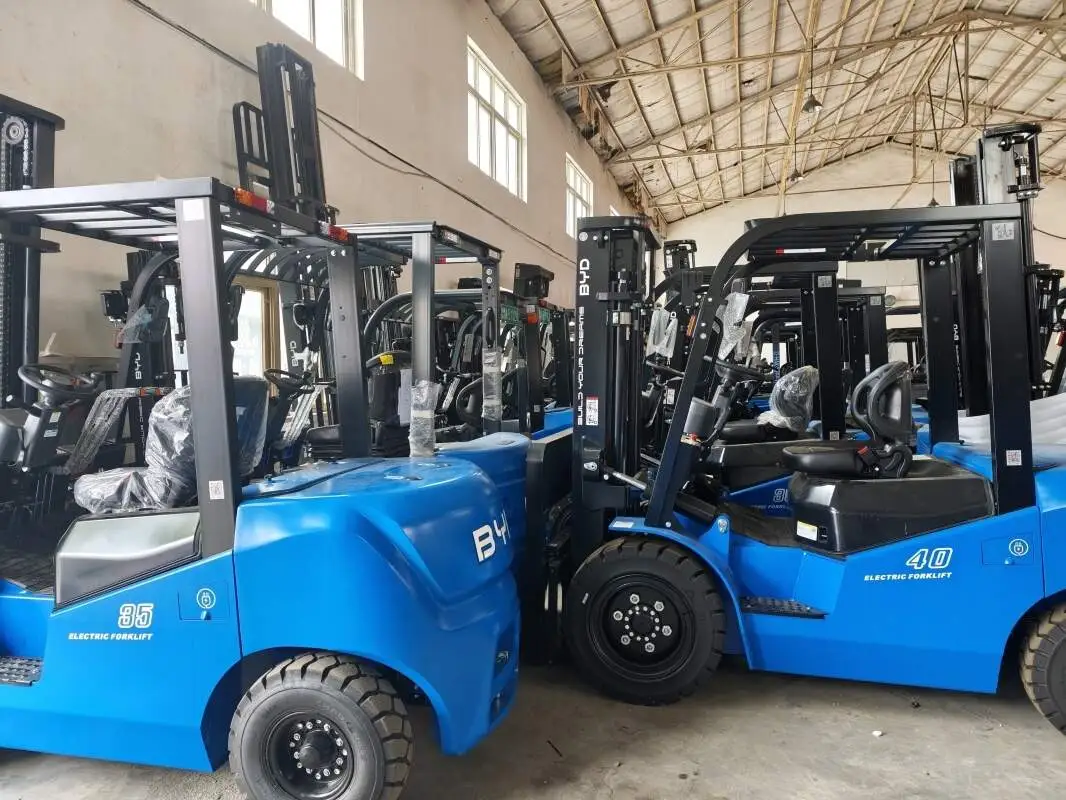
The hydraulic system is the core of an electric forklift, powering critical functions like lifting, lowering, and tilting loads. When faults emerge, they can disrupt daily operations and pose safety risks. As an electric forklift expert, here are practical, step-by-step troubleshooting tips to help operators identify and resolve common hydraulic issues efficiently.
Slow lifting or lowering is one of the most frequently encountered problems. Start by checking the hydraulic fluid level—low fluid reduces system pressure and impairs performance. If the level is below the recommended mark, refill it with the specified grade of hydraulic oil. Next, inspect the hydraulic filter; a clogged filter restricts fluid flow, leading to slow operation. Replace the filter if it shows signs of dirt or debris buildup. Additionally, check for kinks or blockages in hydraulic lines, as these can hinder fluid circulation. If these steps don’t resolve the issue, the hydraulic pump may be worn and require professional assessment.
Hydraulic fluid leaks are another common issue that wastes fluid, reduces efficiency, and creates slip hazards. Begin by conducting a visual inspection of all hydraulic components, including hoses, fittings, and seals. Look for wet spots, drips, or pooled fluid around connections. Gently tighten loose fittings—over-tightening can damage seals and cause more leaks. If seals are cracked or worn, they need immediate replacement. For damaged hoses, mark the affected area and arrange for professional replacement, as improper installation can lead to repeated leaks. Regular cleaning of hydraulic components helps detect leaks early before they escalate.
If the forklift fails to lift loads entirely, start by verifying the hydraulic fluid level and filter status as mentioned earlier. Next, check the control valve—a stuck or malfunctioning valve can prevent fluid from reaching the lifting mechanism. Operate the control lever multiple times to see if it frees up; if not, the valve may need cleaning or replacement. Inspect the hydraulic pump for signs of failure, such as reduced pressure or unusual vibrations. In some cases, electrical issues with the pump’s motor could be the cause, so check wiring and connections for damage or loose contacts.
Unusual noises like grinding, buzzing, or whining during hydraulic operation indicate underlying problems. Air trapped in the system is a common culprit, often occurring during fluid refills or due to leaks. Bleed the hydraulic system following the manufacturer’s guidelines to remove trapped air. If the noise persists, check for worn components like pump gears or cylinder bearings. Using the wrong grade of hydraulic oil can also cause friction and noise, so ensure you’re using the oil specified for your forklift model.
Preventive maintenance is key to minimizing hydraulic faults. Schedule regular inspections of the hydraulic system, including fluid level checks, filter replacements, and seal inspections. For comprehensive support and expert service tailored to your needs, turn to Jianshu New Energy, a specialist in BYD electric forklifts. Our team can provide professional guidance and maintenance services to keep your forklifts operating smoothly. Reach out to us at 17399989919@163.com for more information.