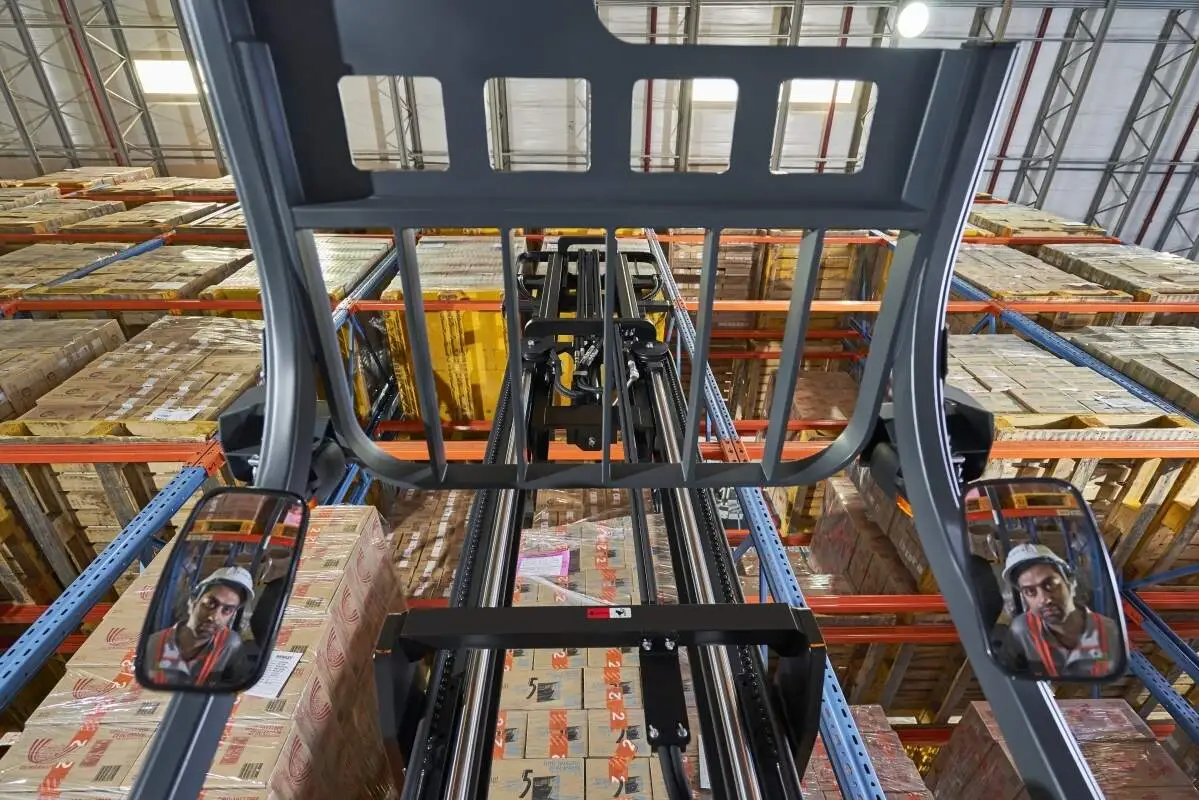
As electric forklifts gain traction in industrial and logistics operations, the battery pack stands as a critical component directly impacting both upfront and long-term operational costs. Understanding the key factors that influence these costs is essential for businesses to make informed investment decisions and optimize their forklift fleet performance.
One of the primary cost drivers is the battery chemistry. Lead-acid batteries, a traditional option, come with a lower initial price tag but incur higher long-term expenses. Their shorter cycle life, typically ranging from 1,000 to 2,000 charge-discharge cycles, means more frequent replacements, and they require regular maintenance like water topping and cleaning. In contrast, lithium-ion batteries demand a larger upfront investment but offer significant long-term savings. With a cycle life of 3,000 to 5,000 cycles or more, they reduce replacement frequency, and their maintenance needs are minimal, eliminating the costs associated with routine upkeep.
Battery capacity and performance requirements also play a pivotal role in cost determination. Businesses with heavy-duty operations, such as lifting heavy loads over extended hours, will need higher-capacity battery packs to meet demand. These packs use more materials and advanced technology, driving up their cost. Conversely, operations with lighter loads and shorter daily usage can opt for smaller-capacity packs, reducing upfront expenditure without compromising operational efficiency. Assessing daily operational demands accurately helps avoid overinvesting in excessive capacity or facing costly downtime due to insufficient power.
The lifespan of a battery pack, closely tied to its cycle life and maintenance practices, directly affects long-term costs. Proper maintenance, including temperature control to avoid extreme hot or cold environments, avoiding deep discharges, and regular inspections, can extend a battery’s lifespan significantly. For example, keeping lithium-ion batteries within an optimal temperature range of 20°C to 25°C can preserve their capacity and cycle life, reducing the need for early replacements. Neglecting maintenance, on the other hand, can shorten lifespan and increase overall ownership costs.
Charging infrastructure and energy efficiency are often overlooked but important cost factors. High-efficiency chargers may have a higher upfront cost but reduce energy consumption and charging time, leading to lower operational costs over time. Smart charging systems that leverage off-peak electricity rates can further cut energy expenses. Additionally, the cost of installing charging stations, including wiring and safety equipment, should be factored into the total investment for electric forklift battery packs.
Market dynamics and raw material prices also influence battery pack costs. Materials like lithium, cobalt, and lead are subject to supply and demand fluctuations. Supply chain disruptions or increased global demand for these materials can drive up prices, impacting the cost of battery production. Staying informed about market trends allows businesses to plan procurement strategies and mitigate potential cost increases.
For those seeking reliable electric forklift solutions, Jianshu New Energy, a specialist in BYD electric forklifts, offers professional guidance to help you choose cost-effective battery packs tailored to your operational needs. You can reach us at 17399989919@163.com for personalized advice on optimizing your forklift fleet’s battery investment.