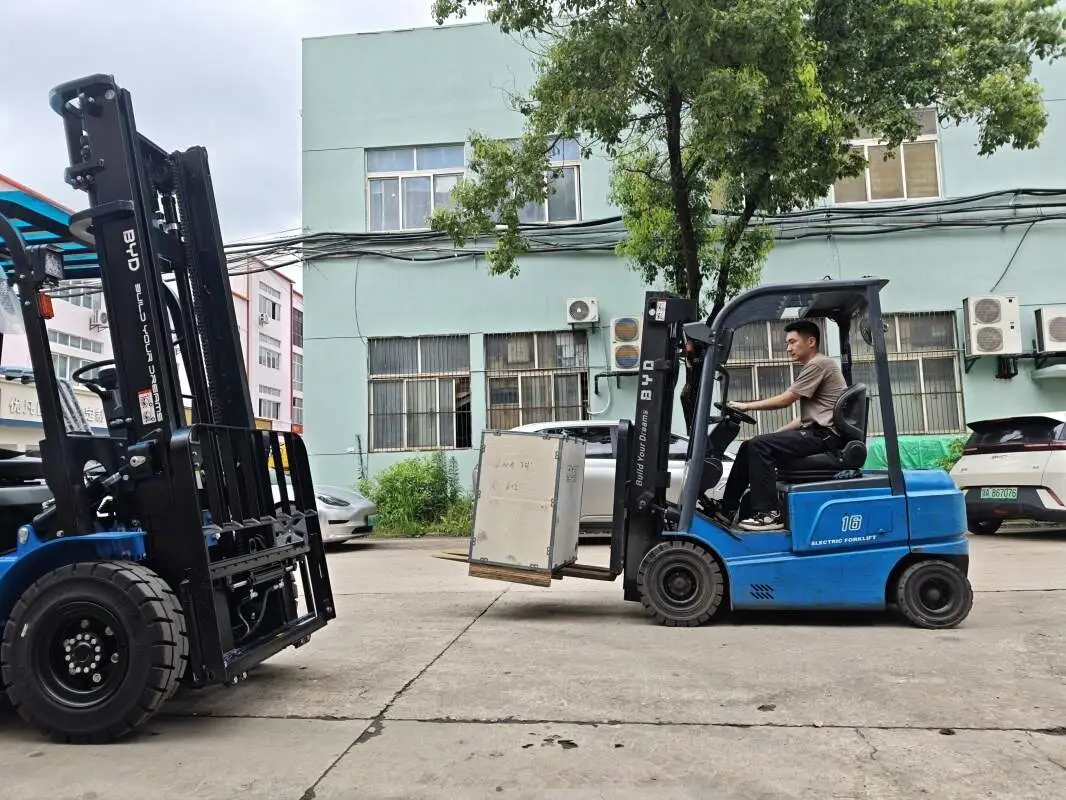
In today’s competitive logistics and warehousing landscape, balancing operational efficiency with cost control is a top priority for many businesses. One increasingly popular strategy is the mixed usage of new and used electric forklift units, which combines the reliability of new equipment with the cost-effectiveness of pre-owned models. When implemented strategically, this approach can significantly reduce overall fleet expenses without compromising productivity.
Strategic Allocation Based on Task Requirements
The first step to maximizing cost savings is to assign new and used electric forklifts to tasks that align with their capabilities. New electric forklifts, with their advanced battery technology and updated components, are ideal for high-demand operations such as heavy-load lifting, continuous shift work, or tasks in environments with strict emission standards. Their longer battery life and lower risk of breakdowns minimize downtime in critical workflows. On the other hand, used electric forklifts can be deployed for lighter, less frequent tasks like low-load pallet moving, short-distance transfers, or backup support. This targeted allocation ensures that new forklifts are preserved for high-priority work, extending their lifespan and reducing premature replacement costs, while used units fulfill non-critical roles at a lower upfront investment.
Proactive Maintenance for Mixed Fleets
A tailored maintenance plan is essential for keeping both new and used electric forklifts in optimal condition. For new units, adhering to the manufacturer’s recommended maintenance schedule—including regular battery checks, component inspections, and software updates—helps prevent minor issues from escalating into costly repairs. For used forklifts, a more frequent inspection protocol is advisable. Focus on key components such as battery health, brake systems, and hydraulic parts, as these are more prone to wear in older equipment. Investing in preventive maintenance for used units can avoid unexpected breakdowns that lead to costly downtime and emergency repairs. By categorizing maintenance needs based on the age and usage of each forklift, businesses can optimize maintenance spending while ensuring fleet reliability.
Unified Fleet Monitoring and Optimization
Implementing a centralized fleet monitoring system can further enhance cost savings for mixed electric forklift fleets. Such systems track metrics like battery usage, operating hours, and maintenance history for each unit. This data allows managers to identify underutilized used forklifts or overworked new units, adjusting schedules to balance workloads evenly. For example, if a used forklift is showing signs of excessive battery drain, it can be reassigned to shorter tasks to extend its battery life. Additionally, monitoring battery consumption helps identify inefficient operations, enabling adjustments to driving habits or route planning that reduce energy costs over time.
Lifecycle Planning and Replacement Strategy
To avoid sudden costs associated with unexpected forklift failures, businesses should develop a clear lifecycle plan for their mixed fleet. For used units, establish a timeline for replacement based on usage hours, maintenance costs, and performance metrics. If a used forklift’s repair costs start to exceed the savings from its lower upfront price, it may be time to replace it with a new or lightly used unit. For new forklifts, plan for gradual upgrades as technology advances, ensuring that the fleet remains efficient without unnecessary overinvestment. This proactive approach prevents costly emergency replacements and allows businesses to budget for fleet updates in advance.
For businesses looking to build or optimize a mixed electric forklift fleet, Jianshu New Energy specializes in BYD electric forklifts, offering a range of new and reliable pre-owned units to suit diverse operational needs. Contact us via 17399989919@163.com to learn more about how we can support your cost-saving fleet strategies.