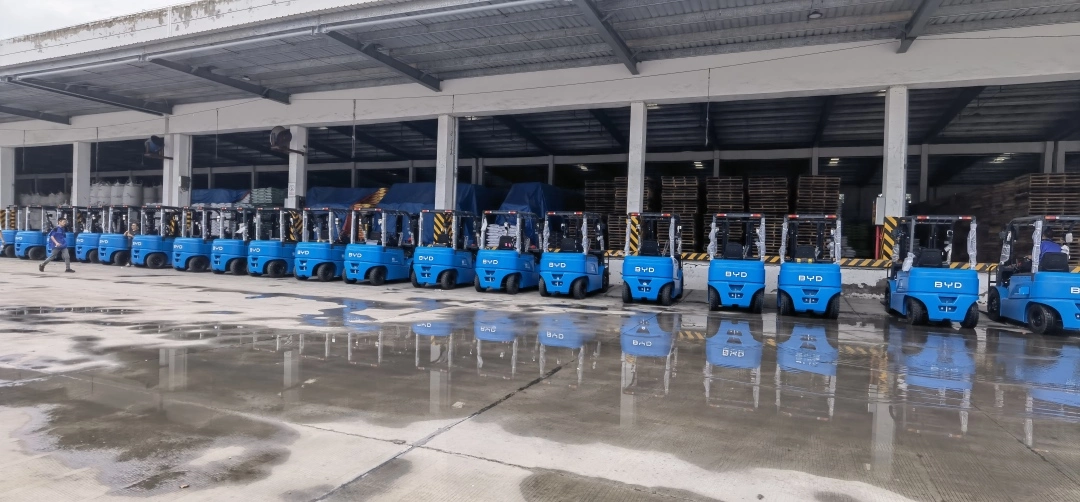
When operating rough terrain electric forklifts in outdoor environments, daily pre-use inspections are essential to mitigate risks, ensure equipment reliability and maintain compliance with safety standards. These checks help identify potential issues before they escalate into costly breakdowns or safety incidents.
1. Pre-Start Visual Assessment
Begin with a thorough walkaround of the forklift. Inspect the exterior for any visible damage, such as dents, cracks or loose components, especially on the frame and body panels that protect internal systems. Check the condition of the tires: look for uneven wear, cuts, punctures or insufficient tread depth, as these can compromise traction on uneven outdoor surfaces like gravel or muddy ground. Examine the undercarriage for debris buildup, which can interfere with moving parts, and clear any obstructions found to prevent premature wear.
2. Battery and Electrical System Verification
As electric-powered equipment, the battery is the core of your rough terrain forklift. Start by checking the battery’s charge level using the onboard indicator; ensure it meets the minimum requirement for a full day’s operation to avoid mid-shutdowns. Inspect battery terminals for corrosion, loose connections or signs of damage, and clean them with a suitable solution if necessary to maintain optimal electrical flow. Examine all electrical cables and wiring harnesses for fraying, exposed wires or cracks, paying close attention to areas near moving parts that may cause abrasion. Verify that all lights—including headlights, taillights and turn signals—are functioning correctly, as visibility is critical for outdoor work, especially during early mornings or late afternoons.
3. Hydraulic and Mechanical Component Checks
Next, focus on hydraulic and mechanical systems that enable lifting and maneuvering. Check the hydraulic fluid level against standard guidelines; if low, add the recommended fluid type to prevent system malfunctions. Inspect hydraulic hoses and fittings for leaks, cracks or bulges, as hydraulic fluid loss can lead to reduced lifting capacity or sudden failure during operation. Examine the mast and lifting chains for signs of wear, stretching or damage, and ensure the chains are properly lubricated to maintain smooth movement. Test the fork positioners and attachments to confirm they move smoothly without binding or unusual noises.
4. Operational Test Run
Before beginning full operations, conduct a short operational test in a safe, open area away from personnel and obstacles. Engage the forklift’s parking brake and ensure it holds securely on a slight incline if possible. Test the steering system to confirm it responds smoothly without stiffness or excessive play, which could affect maneuverability on rough terrain. Activate the brakes to check for consistent stopping power, both in forward and reverse gears. Operate the lift mechanism to raise and lower the forks to their full range, ensuring all movements are steady and free of delays. Listen for any unusual sounds, such as grinding or squealing, which may indicate underlying mechanical issues that require attention.
Consistently following this daily inspection checklist helps extend the lifespan of your rough terrain electric forklift and ensures a safe working environment for operators. If you need professional advice or support for your electric forklifts, Jianshu New Energy, a specialist in BYD electric forklifts, is here to help. Reach out to us at 17399989919@163.com for tailored guidance and solutions to keep your equipment running at its best.