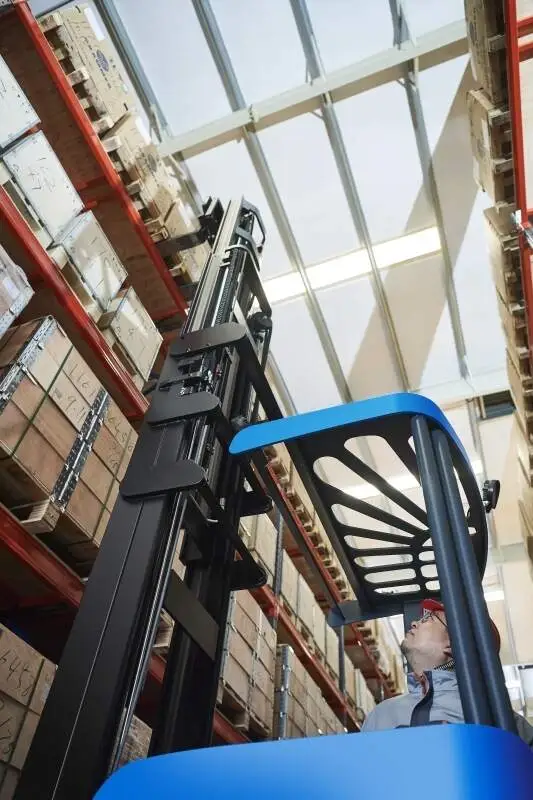
Silage handling is a labor-intensive and demanding task in agricultural and livestock operations, requiring reliable equipment to ensure efficiency and safety. electric forklifts have emerged as a preferred choice for this work due to their zero-emission operation, low noise levels, and consistent performance. To effectively handle silage, electric forklifts must meet specific equipment requirements tailored to the unique challenges of this task.
First, load capacity and stability are fundamental. Silage is typically stored in dense piles or heavy bales, so electric forklifts need sufficient load capacity to lift and transport these items safely. For most operations, a minimum load capacity of 3 tons is recommended, while larger-scale facilities may require models with higher capacities. A stable base and low center of gravity are also critical to prevent tipping when navigating uneven ground or lifting silage to elevated storage areas.
Second, adequate lift height and reach are essential. Silage is often stacked tall or stored in deep piles, so electric forklifts must be able to access upper layers or retrieve silage from deep storage. A lift height of at least 4 meters is suitable for most silage storage setups, and extended reach capabilities can reduce the need to rearrange entire piles to access specific sections, saving time and labor.
Specialized attachments are another key requirement. Standard forklift forks may not securely hold silage bales or loose silage, leading to spillage or damage. Attachments like silage clamps or bale grippers are designed to distribute weight evenly, ensuring safe transport. Electric forklifts should be compatible with a range of these attachments to adapt to different silage handling tasks, from moving individual bales to transferring loose silage.
Battery performance and durability cannot be overlooked. Silage handling often involves long hours of continuous work, especially during harvesting seasons. Electric forklifts need high-capacity batteries that support extended use without frequent recharging. Batteries should also resist dust, moisture, and extreme temperatures, as silage facilities can be damp and dusty. Fast-charging capabilities are a valuable feature, allowing operators to recharge quickly during short breaks to minimize downtime.
Finally, safety features are non-negotiable. Silage environments present risks like uneven surfaces and heavy loads, so electric forklifts must include anti-slip tires for traction on wet or muddy floors, seat belts for operator protection, and visibility aids such as rearview mirrors or cameras. Stability control systems that adjust performance to prevent tipping can further enhance safety during operation.
Choosing the right electric forklift that meets these requirements is vital for efficient silage handling. Jianshu New Energy, a specialized supplier of battery-powered forklifts, offers models designed to meet the demands of silage operations. For more information about our electric forklift solutions, please contact us at 17399989919@163.com.