


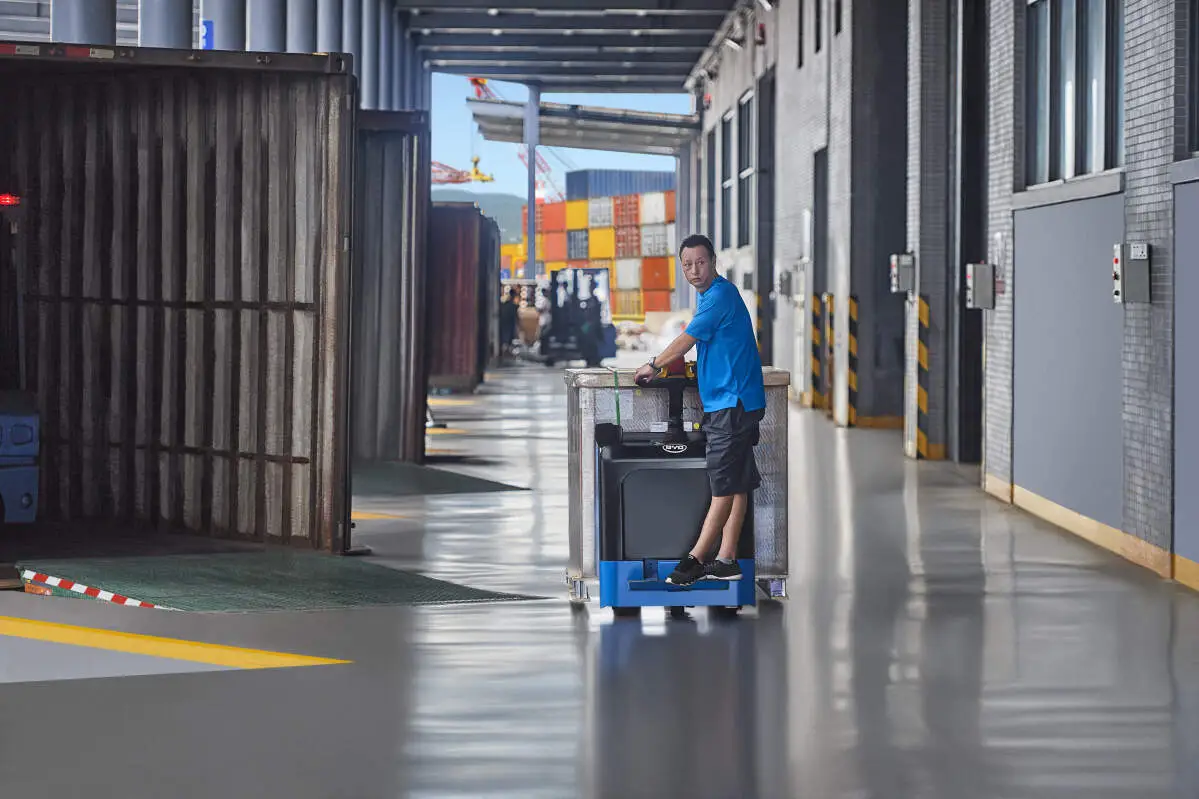
For small businesses operating warehouses, distribution centers, or storage facilities, electric forklifts have emerged as a cost-effective and sustainable alternative to traditional gas-powered models. However, procuring the right electric forklift requires more than just comparing prices; it demands a thorough assessment of your business’s unique operational needs, budget constraints, and long-term goals. Below are key considerations to guide your procurement process.
Budget Planning
Small businesses often operate on tight budgets, so balancing upfront costs with long-term savings is critical. Electric forklifts typically have a higher initial purchase price than gas-powered counterparts, but they offer significant savings over time through lower fuel and maintenance costs. When budgeting, factor in not just the forklift’s sticker price but also additional expenses like charging infrastructure installation, battery replacement costs, and potential tax incentives for energy-efficient equipment. Explore financing options such as leases or loans to spread out upfront costs, which can help preserve capital for other business needs.
Operational Requirements
Understanding your daily operational demands is essential to selecting a forklift that fits your space and tasks. Start by evaluating your warehouse layout: if you have narrow aisles, a compact electric forklift with a small turning radius will be more maneuverable than a larger model. Assess load capacity needs by calculating the average and maximum weight of the items you handle regularly; choosing a forklift with more capacity than necessary will waste resources, while one with insufficient capacity will pose safety risks and limit productivity.
Battery type is another key operational consideration. Lead-acid batteries are more budget-friendly but require longer charging times and regular maintenance like water refills. Lithium-ion batteries, on the other hand, offer faster charging, longer lifespans, and lower maintenance needs, making them ideal for businesses with multi-shift operations. Additionally, ensure your facility has adequate access to charging stations; off-peak charging can reduce electricity costs, so check if your utility provider offers discounted rates during non-business hours.
Maintenance and Lifecycle Costs
While electric forklifts have fewer moving parts than gas-powered models, they still require regular maintenance to ensure optimal performance and longevity. Routine tasks include battery inspections, tire pressure checks, hydraulic system servicing, and brake maintenance. Factor in the cost of scheduled service—whether you use a third-party provider or maintain the forklift in-house—and budget for unexpected repairs. Replacement batteries are a major long-term cost, so research the lifespan of different battery types and calculate how often you’ll need to replace them to avoid surprise expenses.
Safety Compliance
Workplace safety is non-negotiable, and electric forklifts come with specific safety requirements that small businesses must adhere to. Look for models equipped with essential safety features like seatbelts, anti-rollover protection systems (ARPS), backup cameras, and bright visibility lights. Ensure all staff operating the forklift receive proper training, including instruction on battery handling, charging safety, and maneuvering in tight spaces. Non-compliance with workplace safety regulations can lead to fines, accidents, and downtime, which can be devastating for small businesses with limited resources.
Final Purchasing Tips
Before making a final decision, test-drive several forklift models to evaluate their maneuverability, comfort, and performance in your specific warehouse environment. Request quotes from multiple suppliers to compare prices and included services, such as warranty coverage or initial training sessions. Consider the forklift’s resale value if you plan to upgrade or replace it in the future, and seek recommendations from other small business owners in similar industries who have experience with electric forklifts.
By taking these essential considerations into account, small businesses can make an informed procurement decision that aligns with their budget, operational needs, and safety goals. The right electric forklift can improve efficiency, reduce operational costs, and support your business’s long-term growth.

