


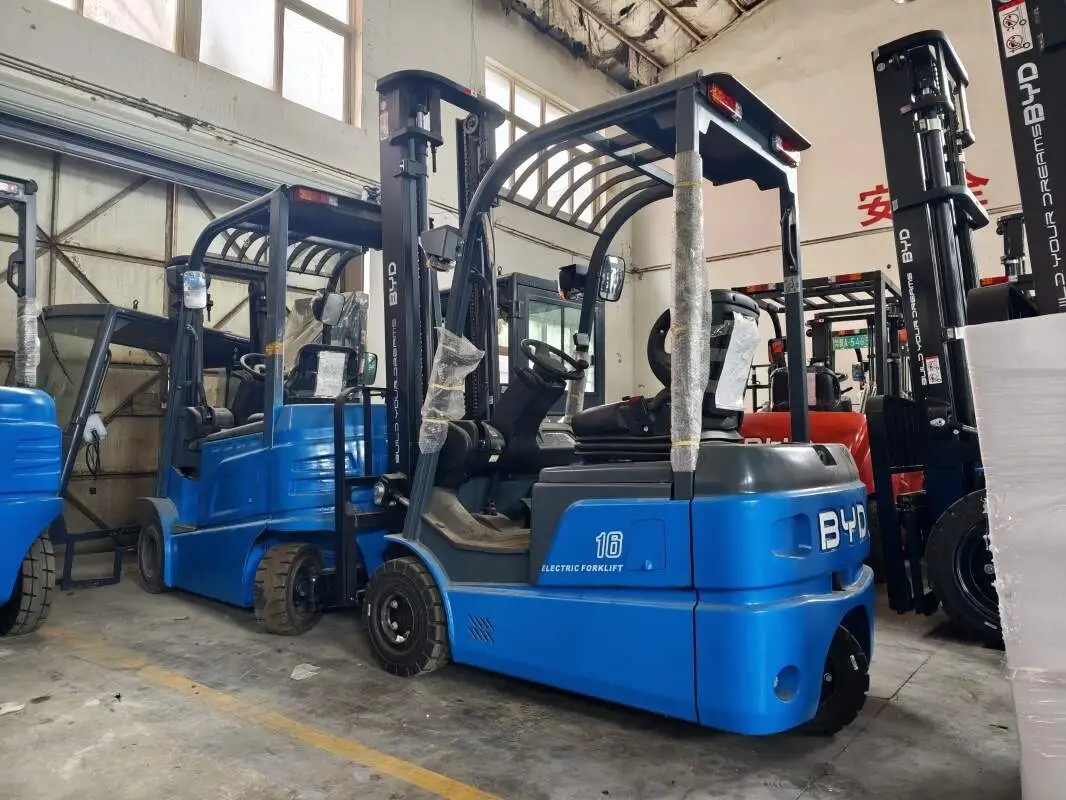
As a key link in the food supply chain, food clean storage has strict requirements on the cleanliness, stability and compliance of handling operations. Traditional manual handling is easy to introduce cross-contamination risks, and operation efficiency is difficult to guarantee, so the adaptation application of intelligent AGV has become the direction of industry optimization.
The core requirements for handling clean food storage
Food clean storage needs to meet specific hygiene standards, to avoid pollution to food and storage environment during handling, and to meet the high-efficiency handling needs of multiple categories and small batches to ensure the coherence and compliance of warehousing operations.
Key points of AGV adaptation
Material and structure adaptation
AGVs suitable for food clean storage need to be made of corrosion-resistant and easy-to-clean materials such as food-grade stainless steel, and the equipment structure needs to be designed without dead ends to avoid dust and water accumulation, which is convenient for daily cleaning and disinfection operations and reduces the risk of pollution from the source.
Cleanliness class matching
The design of the AGV needs to match the cleanliness level of the storage area, and the generation of dust and debris should be reduced during the operation of the equipment. In some high-cleanliness areas, the AGV needs to be equipped with sealing protection devices to prevent the internal components of the equipment from affecting the environment.
Customized function adaptation
According to the characteristics of food storage operations, AGV can customize the automatic disinfection function to complete self-cleaning during operation gaps; at the same time, optimize the route planning function to avoid high-risk operation areas, reduce unnecessary movement, and improve handling efficiency.
Job value after adaptation
The adapted intelligent AGV can effectively reduce the pollution risk caused by manual handling, improve the automation level of warehousing operations, ensure the compliance of the handling process, and optimize the allocation of resources through intelligent scheduling to help food warehousing achieve efficient and clean intelligent operation.

