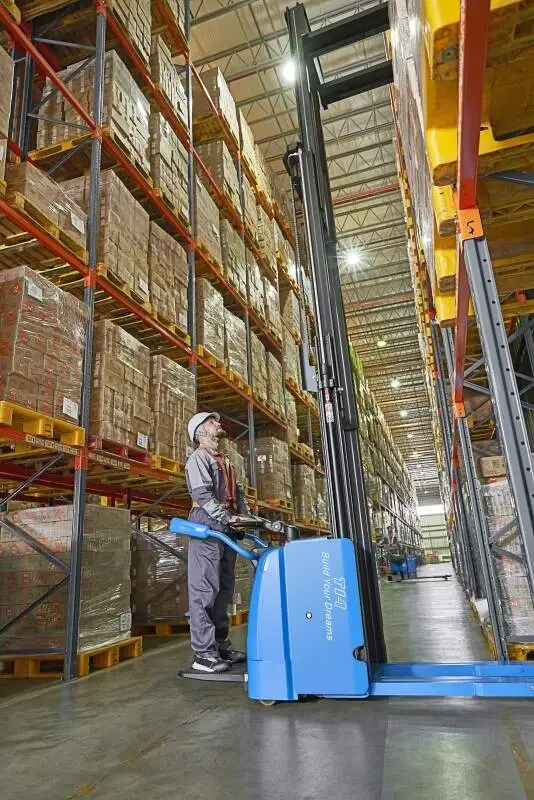
For electric forklifts operating in busy warehouses, distribution centers, and industrial settings, the cooling fan plays a critical role in maintaining optimal operating temperatures. A well-functioning fan not only keeps the operator’s cabin comfortable during long shifts but also prevents overheating of the forklift’s core components, such as the battery and power electronics. Neglecting fan maintenance can lead to reduced performance, unexpected breakdowns, and increased repair costs over time. Implementing regular maintenance practices is essential to ensure the fan operates efficiently and fulfills its cooling duties.
One of the most fundamental forklift fan maintenance steps is regular cleaning and visual inspection. Over time, dust, dirt, debris, and even small packaging materials can accumulate on the fan blades, grille, and surrounding heat exchangers. This buildup restricts airflow, reducing the fan’s cooling capacity and forcing it to work harder to maintain proper temperatures.
To clean the fan, start by turning off the forklift and disconnecting the power source to ensure safety. Use a compressed air blower on a low-pressure setting to dislodge loose debris from the blades and grille, being careful not to damage delicate components. For stubborn dirt, gently wipe the blades and surrounding areas with a soft, lint-free cloth dampened with a mild cleaning solution. After cleaning, conduct a visual inspection to check for any signs of blockages in the air intake or exhaust paths. Ensure that all vents are clear and unobstructed to allow smooth airflow throughout the cooling system.
Proper lubrication of the fan’s moving parts is vital to reduce friction and extend the fan’s lifespan. The fan’s bearings, in particular, can wear out quickly if not lubricated regularly, leading to noisy operation and eventual failure.
Before lubricating, refer to the forklift’s operation manual to identify the recommended lubricant type and frequency. Most electric forklift fans require a lightweight, high-temperature grease that can withstand the heat generated during operation. Apply a small amount of lubricant to the bearings, taking care not to over-lubricate, as excess grease can attract dust and debris, causing more harm than good. After lubrication, manually rotate the fan blades a few times to distribute the grease evenly and ensure smooth movement. Repeat this process at the intervals specified in the manual to keep the fan operating smoothly.
The condition of the fan blades directly impacts the fan’s cooling efficiency and overall performance. Bent, cracked, or damaged blades can disrupt airflow, create excessive vibration, and put additional strain on the fan motor.
During routine inspections, carefully examine each blade for signs of deformation, cracks, or chips. Even minor bends can cause the fan to become unbalanced, leading to increased noise and potential damage to the motor. If any blades are damaged, they should be replaced promptly with compatible parts to restore the fan’s balance and efficiency. Additionally, check the blade mounting hardware to ensure it is tight and secure. Loose bolts or screws can cause the blades to shift during operation, further affecting performance and safety.
Since electric forklifts rely on an electrical system to power the cooling fan, maintaining these components is crucial to ensure reliable operation. Over time, electrical connections can become loose or corroded, and wiring may develop wear or damage.
Start by inspecting the fan’s wiring harness for any signs of fraying, cuts, or insulation damage. Damaged wiring can cause short circuits or intermittent power supply to the fan, leading to inconsistent operation. If any damage is found, repair or replace the wiring as needed. Next, check the terminal connections where the fan connects to the forklift’s electrical system. Clean any corrosion from the terminals using a wire brush or a specialized cleaning solution, then tighten the connections to ensure a secure fit. It is also important to test the fan’s motor for proper voltage output using a multimeter, ensuring it receives the correct power supply as specified in the manual.
Regular monitoring of the fan’s performance is key to identifying potential issues before they escalate into major problems. During daily operations, pay attention to the fan’s operating noise—unusual rattling, grinding, or squealing sounds may indicate worn bearings, damaged blades, or loose components.
Additionally, monitor the cabin temperature and the temperature of the forklift’s core components using built-in gauges or a portable thermometer. If the cabin feels warmer than usual or the component temperatures exceed the recommended range, it may be a sign that the fan is not operating efficiently. In such cases, stop the forklift immediately and conduct a thorough inspection to identify and resolve the issue. Keeping a log of fan performance and temperature readings can help track trends and schedule maintenance more effectively.
Proper forklift fan maintenance is a simple yet effective way to keep the operator’s cabin cool, prevent overheating of critical components, and ensure the electric forklift operates reliably for years to come. By implementing regular cleaning, lubrication, blade inspections, electrical checks, and performance monitoring, operators and maintenance teams can avoid costly breakdowns and extend the lifespan of the forklift. Remember to follow the manufacturer’s guidelines and establish a consistent maintenance schedule to keep the cooling fan in optimal condition, supporting safe and efficient daily operations.