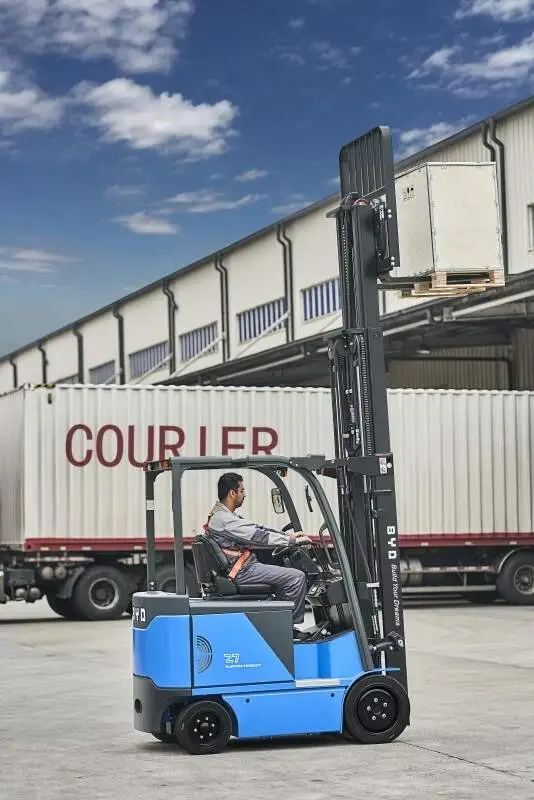
forklift operations are integral to material handling across warehouses, construction sites, and manufacturing facilities, but they carry inherent risks for operators. Among the critical safety components designed to mitigate these risks is the forklift mast guard, a device engineered to shield operators from falling objects, displaced cargo, and structural failures of the forklift’s mast assembly. Regulatory bodies worldwide, including the U.S. Occupational Safety and Health Administration (OSHA) and the International Organization for Standardization (ISO), have established mandatory safety requirements for mast guards to ensure consistent protection for operators, and adherence to these standards is not just a best practice—it is a legal obligation.
The first core mandatory requirement focuses on structural integrity. Mast guards must be capable of withstanding specified impact forces corresponding to the weight of objects commonly handled in the workplace. Regulatory frameworks define specific load resistance thresholds, ensuring guards can resist deformation or breakage when struck by falling pallets, tools, or heavy materials. High-grade steel or reinforced composite materials are required for construction, as these materials maintain durability over time even with regular use. Any signs of cracking, bending, corrosion, or wear render the guard non-compliant and require immediate replacement to avoid exposing operators to unnecessary risk.
Comprehensive coverage and proper placement are also non-negotiable standards. Mast guards must extend vertically to fully cover the operator’s head and upper torso, while spanning horizontally to cover the entire width of the operator’s compartment. The guard must be positioned to eliminate blind spots without obstructing the operator’s line of sight to the mast, forks, and surrounding workspace. Gaps between the guard and the forklift frame, or positioning that blocks visibility of load movements, are common violations that undermine protective capabilities and can lead to accidents.
Secure installation protocols are another key mandatory requirement. Mast guards must be mounted using hardware that meets tensile strength standards, with fasteners tightened to specified torque levels. All brackets, bolts, and mounting components must be in good condition, free from wear or damage. Installation must not alter the forklift’s structural integrity or interfere with other safety systems, such as seatbelts or overhead operator restraints. Regular checks of mounting hardware are required to ensure guards remain securely attached during all operational activities, including lifting heavy loads and navigating uneven surfaces.
Routine inspection and maintenance are critical to sustaining compliance. Operators are required to conduct pre-shift visual checks of the mast guard, looking for signs of damage, loose fasteners, or misalignment. Detailed inspections must be performed at specified intervals—monthly or quarterly, depending on operational intensity—by trained maintenance personnel. These inspections include testing the guard’s structural stability, verifying coverage dimensions, and ensuring all components meet regulatory standards. Any defects identified must be addressed promptly, with the forklift taken out of service until the mast guard is repaired or replaced. Documentation of all inspections and repairs must be maintained to demonstrate compliance during regulatory audits.
Adherence to mast guard safety requirements is enforced through regular workplace audits by regulatory agencies. Non-compliance can result in significant fines, work stoppages, and legal liability in the event of an operator injury. Employers must also provide comprehensive training to forklift operators on mast guard safety. Training should cover the purpose of mast guards, how to conduct thorough pre-shift inspections, how to report defects, and the consequences of operating a forklift with a non-compliant guard. Operators must also be educated on recognizing high-risk scenarios, such as lifting loads at height or working in areas with overhead storage, where mast guard protection is most critical.
Forklift mast guards are a vital line of defense for operators, and mandatory safety requirements ensure that these devices perform as intended. By prioritizing structural integrity, proper coverage, secure installation, and routine maintenance, employers can create a safer work environment and meet regulatory obligations. Investing in compliant mast guards and operator training not only protects personnel from injury but also reduces operational downtime and financial risks associated with non-compliance. As material handling operations evolve, staying updated on the latest regulatory requirements for mast guards remains essential to safeguarding forklift operators in every workplace.