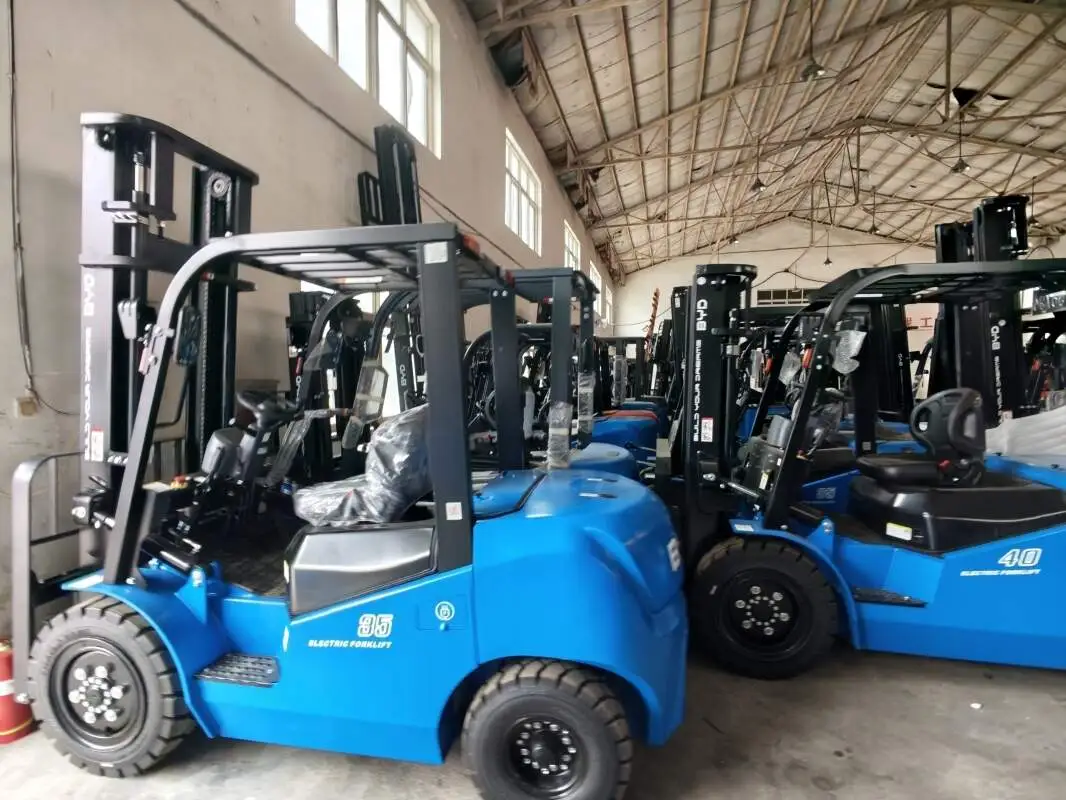
When it comes to optimizing warehouse and logistics operations, electric forklift rental has emerged as a cost-effective and flexible solution for many businesses. However, the overall rental expense varies significantly based on several critical factors, with location and forklift capacity standing out as two of the most impactful.
The Impact of Location on Electric Forklift Rental Costs
Location plays a pivotal role in shaping rental expenses in multiple ways. First, proximity to the rental supplier directly affects transportation costs. If a business is located far from the supplier’s base, the cost to deliver and retrieve the electric forklift adds a substantial premium to the total rental fee. Additionally, local market demand and supply dynamics influence pricing. In regions with high industrial activity and dense warehouse clusters, the demand for electric forklifts tends to be higher, which can drive up rental rates due to limited availability. Conversely, in areas with fewer industrial operations, rental providers may offer more competitive pricing to attract customers.
Local regulatory requirements also contribute to cost variations. Some regions enforce strict emissions standards or safety regulations that require specific modifications or maintenance protocols for electric forklifts. These additional compliance measures can increase the rental cost as suppliers need to invest in meeting local norms. Moreover, the availability of on-site maintenance support varies by location. Choosing a supplier within a reasonable distance ensures faster response times for repairs and maintenance, reducing downtime and avoiding extra charges for emergency services.
How Forklift Capacity Influences Rental Expenses
Forklift capacity, measured by the maximum weight it can lift, is another key determinant of rental costs. Higher-capacity electric forklifts require more robust components, larger batteries, and advanced engineering, making them more expensive to manufacture and maintain. As a result, renting a heavy-duty electric forklift with a higher load capacity will naturally incur a higher daily, weekly, or monthly rental rate compared to a smaller, light-duty model.
It’s essential for businesses to assess their specific operational needs when selecting a forklift’s capacity. Opting for a forklift with more capacity than necessary leads to unnecessary rental expenses, while choosing one with insufficient capacity can hinder operational efficiency and even pose safety risks. For example, a warehouse handling pallets of light consumer goods may only need a 2-ton capacity forklift, while a facility dealing with heavy industrial machinery parts might require a 5-ton or higher model. Additionally, higher-capacity forklifts often come with larger batteries that have longer lifespans but may include additional costs for battery maintenance and charging infrastructure support in the rental package.
Optimizing Rental Costs: Key Considerations
To minimize electric forklift rental expenses, businesses should start by conducting a thorough assessment of their operational requirements to determine the appropriate forklift capacity. Working with a professional rental supplier can help in selecting the right model that balances performance and cost. For reliable electric forklift rental solutions, you can reach out to Jianshu New Energy, a dedicated electric forklift specialist, via email at 17399989919@163.com. Additionally, prioritizing local suppliers can reduce transportation and maintenance-related costs while ensuring prompt support when needed.
In conclusion, both location and capacity play integral roles in determining the overall rental expense of electric forklifts. By understanding these factors and making informed decisions, businesses can optimize their rental costs without compromising on operational efficiency and safety.