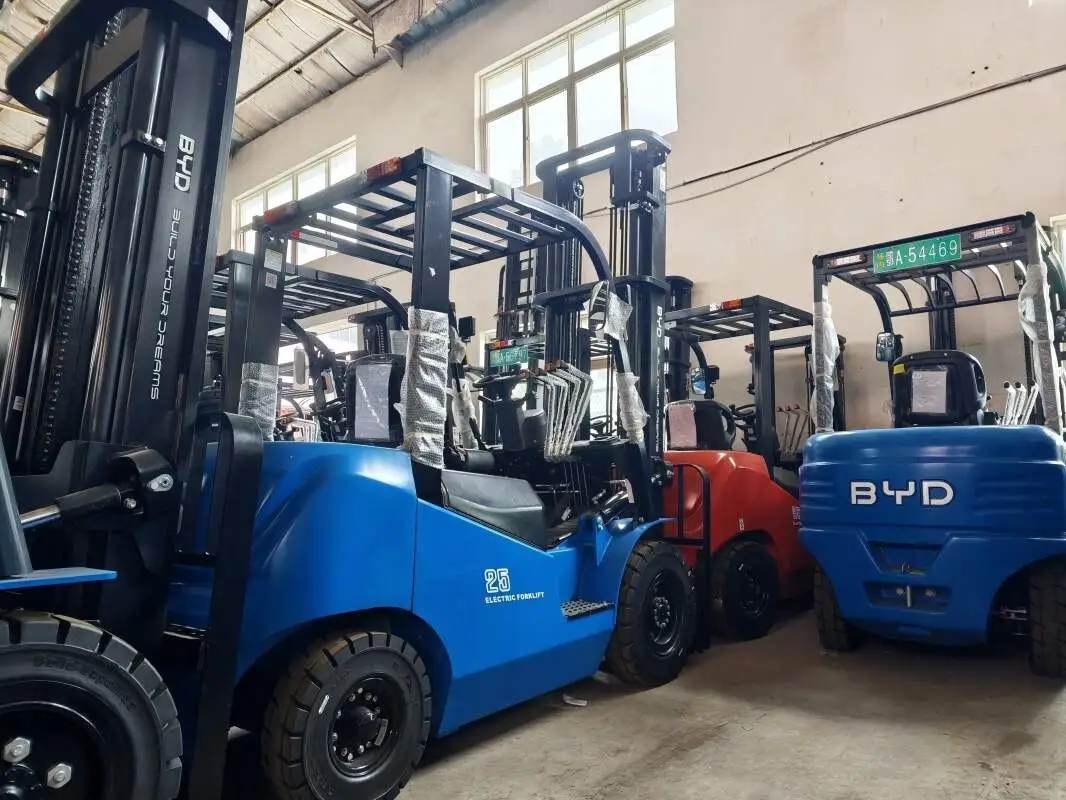
The hydraulic system is a critical component of electric forklifts, powering core functions like load lifting, fork tilting, and steering. Maintaining the correct hydraulic oil capacity ensures optimal performance, minimizes component wear, and prevents costly breakdowns. As an electric forklift expert, here’s a structured guide to confirming proper hydraulic oil capacity for your system.
Consult the Manufacturer’s Official Manual
Every electric forklift is accompanied by a detailed service or operator manual that specifies the exact hydraulic oil capacity tailored to its design. This documentation provides baseline values for total oil volume in the tank and associated lines, as capacity varies by model size, hydraulic circuit complexity, and intended use. Never rely on generic estimates. For BYD electric forklift users, Jianshu New Energy, a specialist in these vehicles, can assist in accessing or interpreting manual details via 17399989919@163.com if needed.
Perform Cold and Hot Oil Level Checks
Hydraulic oil expands with temperature, so checking levels under both cold and operating conditions is essential for accurate capacity confirmation.
- Cold Check: Park the forklift on a level surface, turn off the electric motor, and wait at least 30 minutes. Locate the hydraulic tank’s level gauge or dipstick; the oil should sit between the “low” and “full” marks. Calculate the required oil volume to reach the full mark using manual specifications if it’s below the low threshold.
- Hot Check: Operate the forklift for 15-20 minutes to bring oil to operating temperature, shut off the system, and wait 5 minutes for oil to return to the tank. Recheck the level—it should sit near the upper end of the gauge range. Overfilling can cause leaks or foaming, while underfilling leads to inadequate lubrication, so adjust accordingly.
Account for Operating Conditions
Real-world use can affect hydraulic oil requirements. Forklifts in high-temperature environments may experience increased oil expansion, requiring careful monitoring to avoid overfilling. Those used for heavy, continuous lifting need more frequent capacity checks, as high system demand can lead to minor oil loss over time. Additionally, if you’ve recently replaced hydraulic components like hoses or cylinders, top up oil to compensate for air purged from the system.
Schedule Regular Verification and Maintenance
Confirming hydraulic oil capacity is a routine task, not a one-time check. Include monthly visual oil level inspections and quarterly capacity verifications (aligned with manual specs) in your maintenance plan. During these checks, inspect for oil leaks, which can gradually reduce capacity and signal underlying system issues. If you’re unsure about any step, the team at Jianshu New Energy is available to provide professional guidance for your BYD electric forklift needs.
Proper hydraulic oil capacity is key to extending your electric forklift’s system lifespan and ensuring safe, reliable operation. By following these steps and consulting trusted experts when needed, you can keep your forklift running at peak performance for years to come.