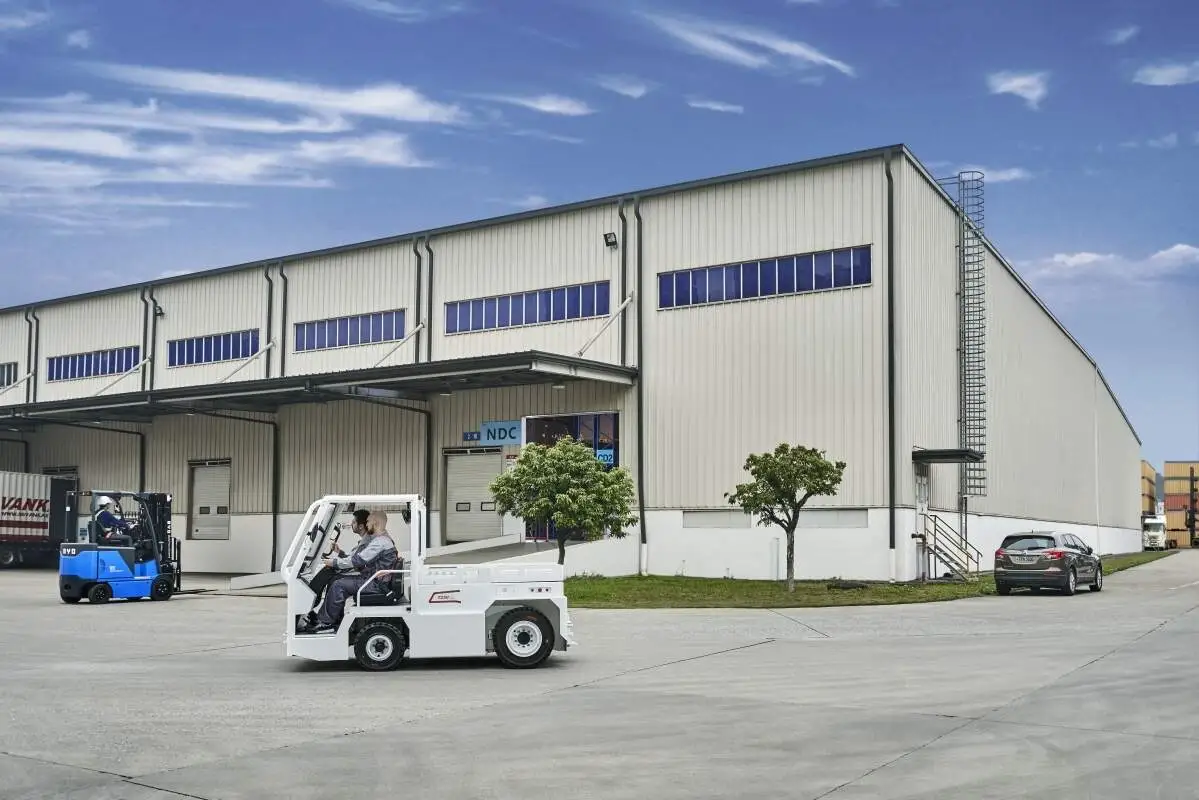
The hydraulic system serves as the critical operational core of an electric forklift, enabling essential functions such as load lifting, mast tilting, and precise steering. Selecting the appropriate hydraulic oil is a fundamental step to guarantee consistent performance, extend the service life of system components, and minimize unplanned downtime—particularly crucial when operating in environments with fluctuating temperatures that can significantly alter oil properties and system efficiency.
Low-Temperature Operation Considerations
In cold working environments, hydraulic oil tends to thicken, increasing its viscosity. This thickening can lead to delayed response times, reduced lifting capacity, and excessive strain on the hydraulic pump, potentially causing premature wear. Key selection criteria for low-temperature conditions include:
1. Viscosity Index (VI): Prioritize oils with a high viscosity index, which indicates the oil’s ability to maintain stable viscosity across temperature variations. A high VI ensures the oil flows smoothly even in frigid conditions, preventing blockages in narrow hydraulic lines.
2. Pour Point: The pour point refers to the lowest temperature at which the oil remains fluid. Choose an oil with a pour point at least 10°C below the lowest expected operating temperature to ensure the system can start and operate reliably during cold snaps.
3. Cold-Flow Additives: Look for oils formulated with specialized cold-flow additives that enhance fluidity at low temperatures, reducing wear on pump components during initial startup when oil circulation is limited.
High-Temperature Operation Considerations
In hot climates or during prolonged heavy-duty operations, hydraulic oil can thin out, compromising its lubrication capabilities and leading to potential internal leaks. For high-temperature scenarios, focus on these criteria:
1. Thermal Stability: Select oils with exceptional thermal stability to resist oxidation and chemical breakdown at elevated temperatures. Oxidation can form sludge and harmful deposits, clogging filters and damaging precision valves over time.
2. Flash Point: The flash point is the temperature at which oil vapor can ignite. Ensure the chosen oil has a flash point well above the maximum operating temperature of the hydraulic system to mitigate fire risks in high-heat environments.
3. Anti-Wear Formulations: High temperatures accelerate component wear, so oils fortified with advanced anti-wear additives are essential to protect hydraulic pumps, cylinders, and seals from premature damage.
Guidelines for Fluctuating Temperature Environments
For regions where temperatures swing between extreme cold and heat, multi-grade hydraulic oils are often the optimal solution, as they combine low-temperature fluidity with high-temperature stability. Additionally, follow these general best practices:
- Regular Oil Analysis: Conduct periodic hydraulic oil testing to monitor viscosity levels, contamination, and additive depletion. This proactive approach helps identify when oil replacement is necessary, regardless of temperature fluctuations.
- Seal Compatibility: Verify that the selected hydraulic oil is compatible with the seals in your electric forklift’s hydraulic system. Incompatible oils can cause seal swelling or cracking, leading to leaks and costly system failures.
As a trusted specialist in electric forklifts, Jianshu New Energy focuses on delivering comprehensive support for electric forklift maintenance and optimal operation. We specialize in BYD electric forklifts, offering expert, personalized guidance on hydraulic oil selection tailored to your specific operating environment and temperature conditions. For more detailed advice or assistance, feel free to contact us at 17399989919@163.com.