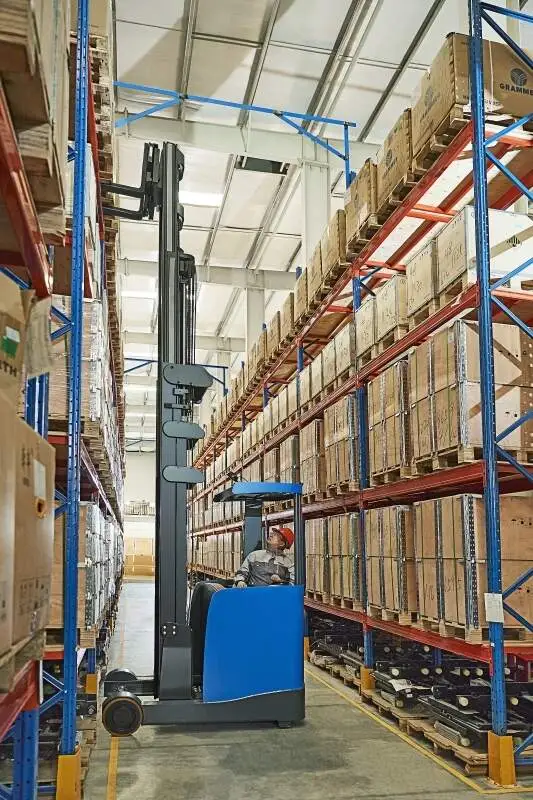
Operating electric forklifts in the workplace requires strict adherence to Occupational Safety and Health Administration (OSHA) regulations to protect operators, coworkers, and valuable assets. Daily compliance is not merely a legal obligation but a fundamental step in preventing accidents, reducing downtime, and maintaining a culture of safety. Below are key OSHA compliance items that every workplace must prioritize for daily electric forklift operations.
First and foremost, pre-use inspections are a non-negotiable OSHA requirement. Before each shift, operators must conduct a thorough visual and functional check of the electric forklift. This includes examining battery connections for corrosion or loose wiring, testing brake responsiveness to ensure stopping power, verifying that horns, lights, and warning indicators are fully operational, and inspecting fork tines for cracks, bends, or excessive wear. Any defects identified must be documented immediately, and the forklift should be taken out of service until repairs are completed by qualified personnel. Skipping these inspections can lead to unexpected equipment failures and safety hazards that violate OSHA standards.
Only OSHA-certified operators are permitted to operate electric forklifts. Certification requires completion of a formal training program that covers forklift operation techniques, hazard recognition, load stability principles, and emergency response procedures. Employers must ensure operators receive regular refresher training, especially following workplace accidents, equipment modifications, or when new hazards are introduced in the work area. Unauthorized personnel operating forklifts not only put themselves at risk but also expose the workplace to OSHA penalties and liability.
Safe load handling is another critical compliance area. OSHA mandates that operators never exceed the forklift’s rated capacity, which is clearly marked on the equipment. Loads should be centered evenly on the fork tines to maintain stability, and operators must avoid lifting or transporting unbalanced loads. When traveling with loads, operators should maintain a safe speed, keep a clear distance from pedestrians and other machinery, and avoid sharp turns that could cause load shifts. If a load obstructs forward visibility, operators must travel in reverse with a clear view of their path, adhering to OSHA’s visibility guidelines.
Maintaining a safe workspace is equally important for compliance. Work areas should be designed with clear, designated pathways for forklifts and separate pedestrian zones to minimize collisions. Visible signage, including speed limits, stop signs, and hazard warnings, should be posted throughout the workspace to guide operators and pedestrians. Floor conditions must be monitored regularly; wet, slippery, or uneven surfaces should be addressed promptly to prevent skidding or tipping incidents. OSHA also requires that overhead obstacles are marked clearly to avoid collisions with elevated loads.
Finally, proper maintenance and documentation are essential for ongoing OSHA compliance. Employers must keep detailed records of all pre-use inspections, repairs, and scheduled maintenance activities. These records serve as proof of compliance during OSHA audits and help identify recurring issues that may require corrective action. Regular maintenance, such as battery checks, brake adjustments, and electrical system inspections, ensures the forklift remains in safe operating condition and reduces the risk of breakdowns that could lead to accidents.
At Jianshu New Energy, we specialize in electric forklifts and understand the importance of OSHA compliance for daily workplace operations. Our team can provide guidance on selecting equipment that meets safety standards and support your efforts to maintain a compliant work environment. For more information, please contact us at 17399989919@163.com.