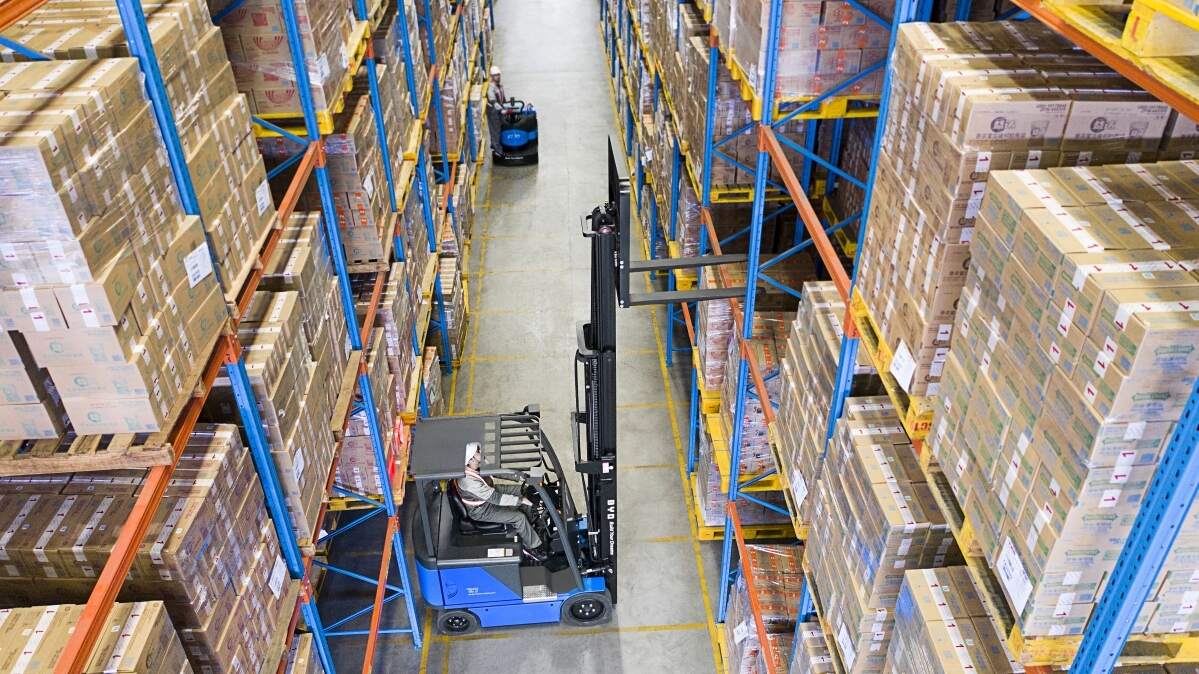
Used extended forks for electric forklifts present a budget-friendly alternative for businesses aiming to enhance their material handling flexibility without the cost of new components. Yet, buying pre-owned forks carries potential risks—hidden structural damage, excessive wear, or misalignment can compromise operational safety and lead to costly downtime. A meticulous pre-purchase inspection is therefore critical to secure a reliable component that aligns with your electric forklift’s specifications.
Start with a detailed visual inspection. Carefully examine the entire surface of the forks for cracks, especially at the base where they connect to the carriage, as this area bears the most stress during operation. Look for hairline fractures or visible cracks that might expand under load. Next, assess wear levels: measure the thickness of the fork tines and compare it to the original specifications. Excessive thinning indicates overuse and reduced load-bearing capacity, which poses a significant safety risk. Also, check for signs of bending or twisting, as deformed forks can cause unstable lifting and damage to loads.
Compatibility verification is another essential step. Confirm that the length, width, and thickness of the used extended forks match your electric forklift’s carriage specifications. Mismatched dimensions can lead to improper fitting, affecting the forklift’s maneuverability and load stability. Additionally, cross-reference the fork’s rated load capacity with your forklift’s maximum lifting capacity. Using forks with a lower load rating than required can result in structural failure during heavy lifting operations.
Don’t overlook structural integrity checks. Inspect all welds connecting the fork sections—look for signs of cracking, spattering, or incomplete fusion, which weaken the fork’s structure. Check the pin holes and connecting hardware for rust, corrosion, or excessive wear, as these components ensure the forks remain securely attached to the carriage. Loose or damaged hardware can cause forks to detach during operation, leading to accidents.
Whenever possible, gather information about the forks’ usage history. Ask the seller about the typical load types and weights the forks handled, as well as their frequency of use and maintenance records. Forks used consistently for heavy, abrasive loads will have more wear than those used for lighter applications. A lack of maintenance records may indicate neglect, increasing the likelihood of hidden issues.
Finally, ensure the used extended forks meet relevant safety standards. Look for clear, legible markings indicating the load rating, manufacturer information, and any safety certifications. Faded or missing markings make it difficult to verify the fork’s specifications and compliance, which could lead to non-compliance with workplace safety regulations.
By following this comprehensive checklist, you can make an informed decision when purchasing used extended forks for your electric forklift. If you require further assistance with electric forklift parts or are interested in reliable BYD electric forklifts, contact Jianshu New Energy, a specialist in BYD electric forklifts. Reach out to us via email at 17399989919@163.com for professional guidance and support tailored to your material handling needs.