


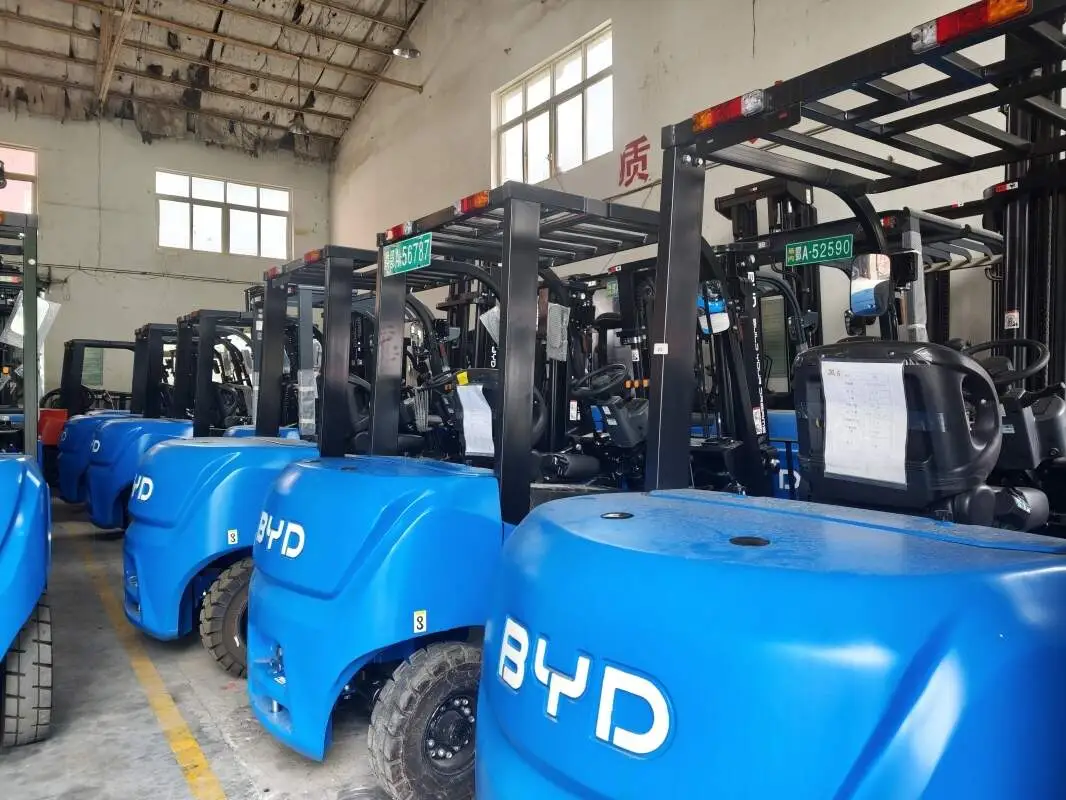
In the field of industrial automation logistics, AGV forklifts have become an important choice for many enterprises to optimize warehousing and handling processes due to their efficient and intelligent operation characteristics. As an automation equipment suitable for various scenarios, the choice of procurement channels and cooperation models of BYD ANS15 AGV forklifts directly affects the procurement efficiency and subsequent use experience of enterprises.
Introduction to procurement channels
Official direct purchase channel
Enterprises can purchase through the brand's official docking channel, directly communicate with the brand's sales team, and obtain detailed product parameters, technical instructions and quotation information. This channel can ensure that the product source is regular, and can directly connect with the brand's technical support and after-sales services. It is suitable for enterprises with clear procurement needs and emphasis on original service guarantee.
Authorized reseller channel
The authorized distributors of the brand in various places are one of the important channels for enterprises to purchase. Distributors have localized service capabilities and can provide enterprises with on-site consultation, equipment demonstration and other services to help enterprises intuitively understand the suitability of equipment. In addition, distributors can also assist enterprises to complete various procedures in the procurement process and provide timely after-sales response, which is suitable for enterprises with strong regional needs.
Industry-specific cooperation channels
For specific industries such as warehousing, automobile manufacturing, and electronic processing, the brand has exclusive cooperation and docking channels. This type of channel will combine the operational characteristics of the industry to provide enterprises with more targeted product recommendations and procurement plans, and help enterprises quickly match the equipment that meets the needs of the industry scene.
Cooperation mode analysis
Standard procurement cooperation model
This is the most conventional cooperation model. The company determines the purchase quantity and specifications according to its own needs, and obtains the ownership of the equipment after completing the payment. The brand provides equipment installation and commissioning, operation training and regular after-sales services to help enterprises put into use quickly, suitable for enterprises with long-term use needs and sufficient funds.
Customized development cooperation model
For enterprises with special operation scenario requirements, a customized development cooperation model can be selected. The enterprise communicates specific needs with the brand's technical team, such as specific handling paths, load adaptation, and docking with the company's existing systems. The brand adjusts and develops the equipment according to the needs to ensure that the equipment is fully adapted to the enterprise's operating environment.
Leasing cooperation model
For enterprises with short-term project needs or flexible capital turnover, the leasing cooperation model provides more options. Enterprises can choose short-term or long-term leases according to the project cycle, without having to bear the depreciation and maintenance costs of equipment. The brand is responsible for the maintenance and upgrade of equipment, reducing the initial investment pressure of enterprises.
Different procurement channels and cooperation models have their own advantages. Enterprises can choose the most suitable solution based on their own industry attributes, financial status, and usage needs, thus enhancing the automation level and operational efficiency of logistics operations.

