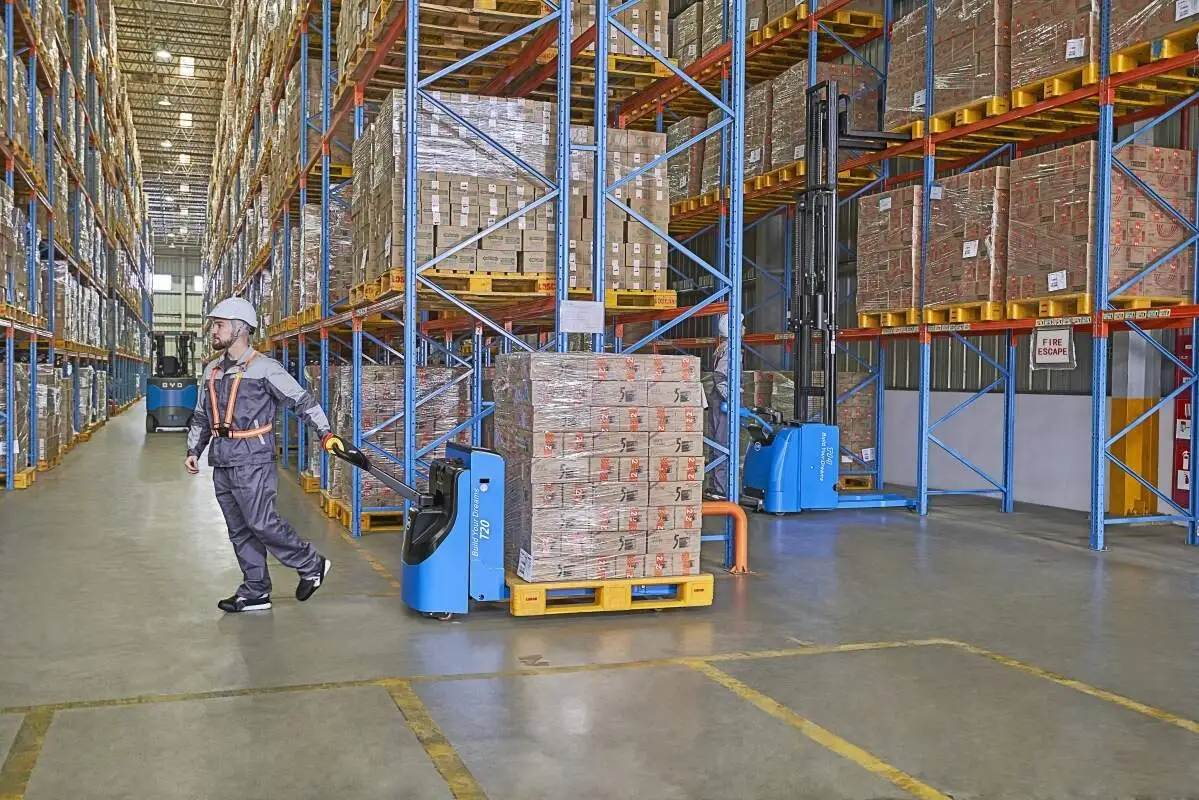
Warehouses depend on electric forklifts to streamline material handling operations, yet these essential tools can become sources of workplace accidents when proper safety measures are overlooked. Identifying the core root causes of such incidents is the first step toward mitigating risks and fostering a secure work environment.
One of the primary contributors to electric forklift accidents is operator error. Many incidents stem from insufficient training: operators may lack a comprehensive understanding of electric forklift dynamics, including load balancing, braking responsiveness, and battery handling procedures. Without proper training, operators might engage in risky behaviors such as speeding through warehouse aisles, failing to use seatbelts, or ignoring blind spots when maneuvering around stacked goods. Even experienced operators can make mistakes if they are fatigued or distracted, underscoring the need for ongoing safety refreshers.
Inadequate equipment maintenance is another critical root cause. Electric forklifts rely on complex components like battery systems, hydraulic mechanisms, and braking assemblies. When these parts are not inspected and serviced regularly, minor issues can escalate into major hazards. For example, a worn brake system may fail to stop the forklift in time, leading to collisions with racks or personnel. Battery leaks can create slippery surfaces, increasing the risk of slips and falls. Neglecting routine maintenance not only compromises safety but also shortens the lifespan of the equipment.
Poor warehouse layout and environmental conditions also play a significant role in accidents. Narrow aisles, cluttered storage areas, and insufficient lighting can impair an operator’s visibility and maneuverability. Forklifts may struggle to navigate tight spaces, leading to collisions with inventory or structural elements. Dim lighting makes it harder to spot obstacles or pedestrians, while uneven flooring can cause the forklift to tip over when carrying heavy loads. Overlooking these environmental factors creates unnecessary risks that could be avoided with thoughtful warehouse design and regular upkeep.
Finally, a lack of clear safety protocols and supervision exacerbates accident risks. Warehouses without established speed limits, pedestrian crossing zones, or safety signage leave operators and workers unsure of proper procedures. Without consistent supervision, operators may cut corners to meet deadlines, disregarding safety guidelines. Implementing clear protocols, conducting regular safety audits, and assigning dedicated safety personnel can help enforce safe practices and reduce incidents.
As a specialist in BYD electric forklifts, Jianshu New Energy is committed to helping warehouses enhance safety alongside operational efficiency. We not only provide reliable electric forklift solutions but also offer guidance on operator training programs and preventive maintenance schedules. For more information on how to reduce electric forklift accident risks in your warehouse, you can contact us at 17399989919@163.com.