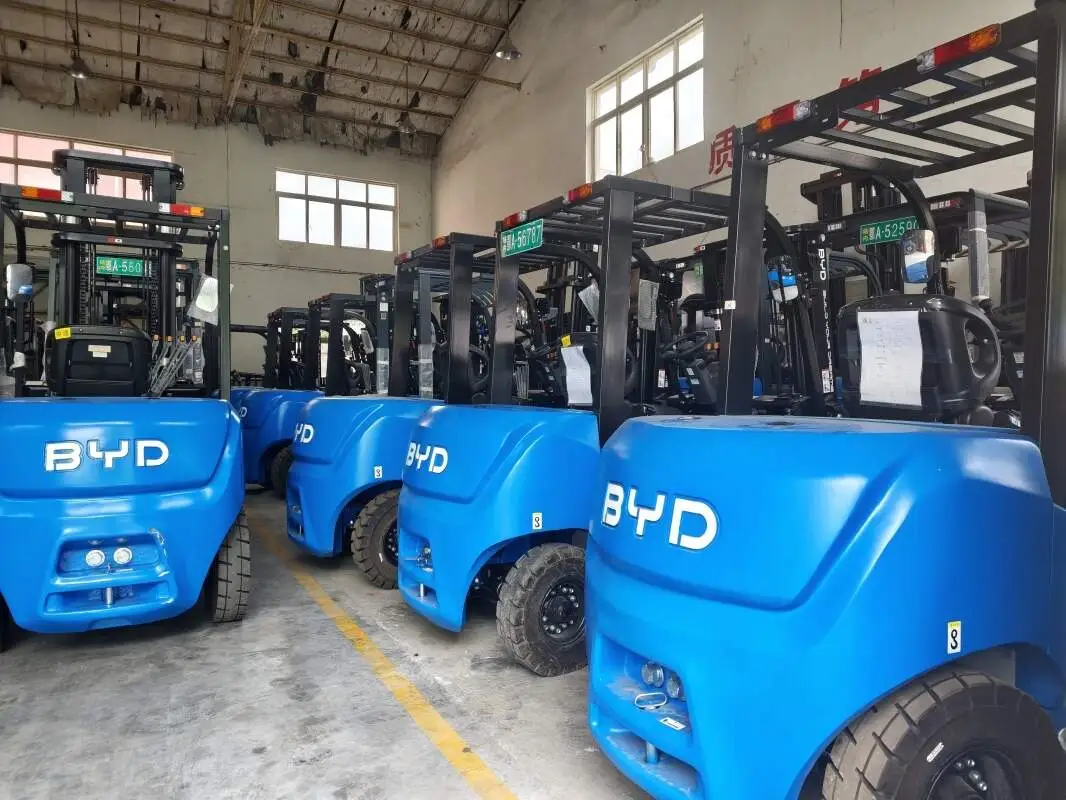
When it comes to electric forklifts, understanding the distinct application scenarios of Class 2 and Class 5 models is crucial for businesses to optimize their material handling operations. Each class is designed to meet specific operational needs, and choosing the right one can significantly boost efficiency and reduce operational costs.
First, let’s clarify the core design purposes of each class. Class 2 electric forklifts, often referred to as narrow-aisle forklifts, are engineered to maximize space utilization in warehouses with limited aisle width. Their compact structure and ability to maneuver in tight spaces make them ideal for high-density storage facilities where every inch of space counts. On the other hand, Class 5 electric forklifts are counterbalance models, built with a heavy-duty frame and weight counterbalance system to handle heavier loads over longer distances.
The primary application difference lies in warehouse layout and space constraints. Class 2 forklifts excel in narrow aisle environments, such as small to medium-sized warehouses with racking systems that require precise navigation between tight rows. These forklifts are commonly used for picking and stacking tasks at medium heights, making them a go-to choice for e-commerce fulfillment centers and retail storage facilities where quick access to goods in limited space is essential. In contrast, Class 5 electric forklifts thrive in open, spacious areas like large distribution centers, manufacturing plants, and outdoor loading docks. Their robust build allows them to handle heavier pallets and containers, often moving loads across longer distances without compromising stability.
Load capacity is another key differentiator in their applications. Class 2 forklifts typically handle lighter loads, ranging from 1 to 3 tons, which aligns with their role in quick, repetitive picking tasks in confined spaces. Class 5 models, however, are designed for heavy-duty operations, with load capacities ranging from 3 to 10 tons or more. This makes them suitable for lifting and transporting heavy machinery, bulk materials, and large shipping containers. Additionally, Class 5 electric forklifts are equipped with durable tires and weather-resistant components, enabling them to operate both indoors and outdoors, whereas Class 2 models are primarily intended for indoor use on smooth, level floors to avoid damage to their compact components.
Maneuverability and operator skill requirements also vary between the two classes. Class 2 forklifts feature a tight turning radius and often include specialized controls for precise movement, making them easier to operate in narrow spaces but requiring operators to have a keen eye for spatial awareness. Class 5 forklifts, with their larger size and heavier weight, demand operators to have more experience handling heavy equipment, especially when operating in outdoor terrain or navigating through busy loading areas where stability and control are paramount.
If you’re looking to invest in electric forklifts tailored to your operational needs, Sharp Tree New Energy specializes in BYD electric forklifts, offering a range of Class 2 and Class 5 models to suit various application scenarios. Our team can provide expert guidance to help you select the right forklift for your warehouse or facility. For more information or to discuss your material handling requirements, please contact us at 17399989919@163.com.